

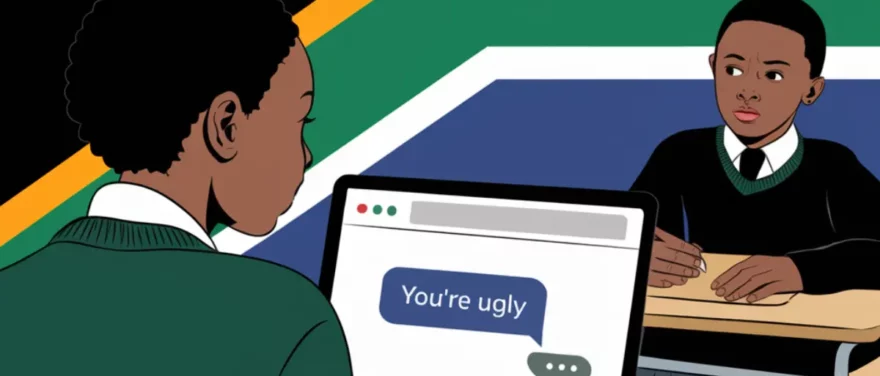
In recent years, the internet has revolutionised communication, bringing countless benefits to societies around the world. From socialising with family and friends across distances to gaining access to a wealth of information, the digital world has made life easier in many ways. However, alongside these advancements comes a darker side: cyberbullying. This issue, once seen as a passing concern, has grown to become a serious problem affecting millions of people, particularly the youth, worldwide. In South Africa, as with many other countries, the rise of digital technology has also led to a rise in online harassment. Cyberbullying in the country has reached alarming levels, with devastating effects on its victims.
South Africa, a nation still recovering from the long-lasting social and economic impacts of apartheid, is now grappling with a digital epidemic that is harming its younger population. The prevalence of cyberbullying has sparked debates about the need for stronger laws, educational interventions, and greater awareness. With many young people in South Africa spending considerable time online, this issue deserves urgent attention.
This article aims to explore the growing problem of cyberbullying in South Africa, examining the nature of online harassment, the psychological and emotional toll on victims, the societal implications, and efforts being made to address the issue. By shedding light on the factors contributing to cyberbullying in South Africa, it is hoped that this article will encourage further conversation, as well as concrete actions to tackle the problem.
Table of Contents
Understanding Cyberbullying
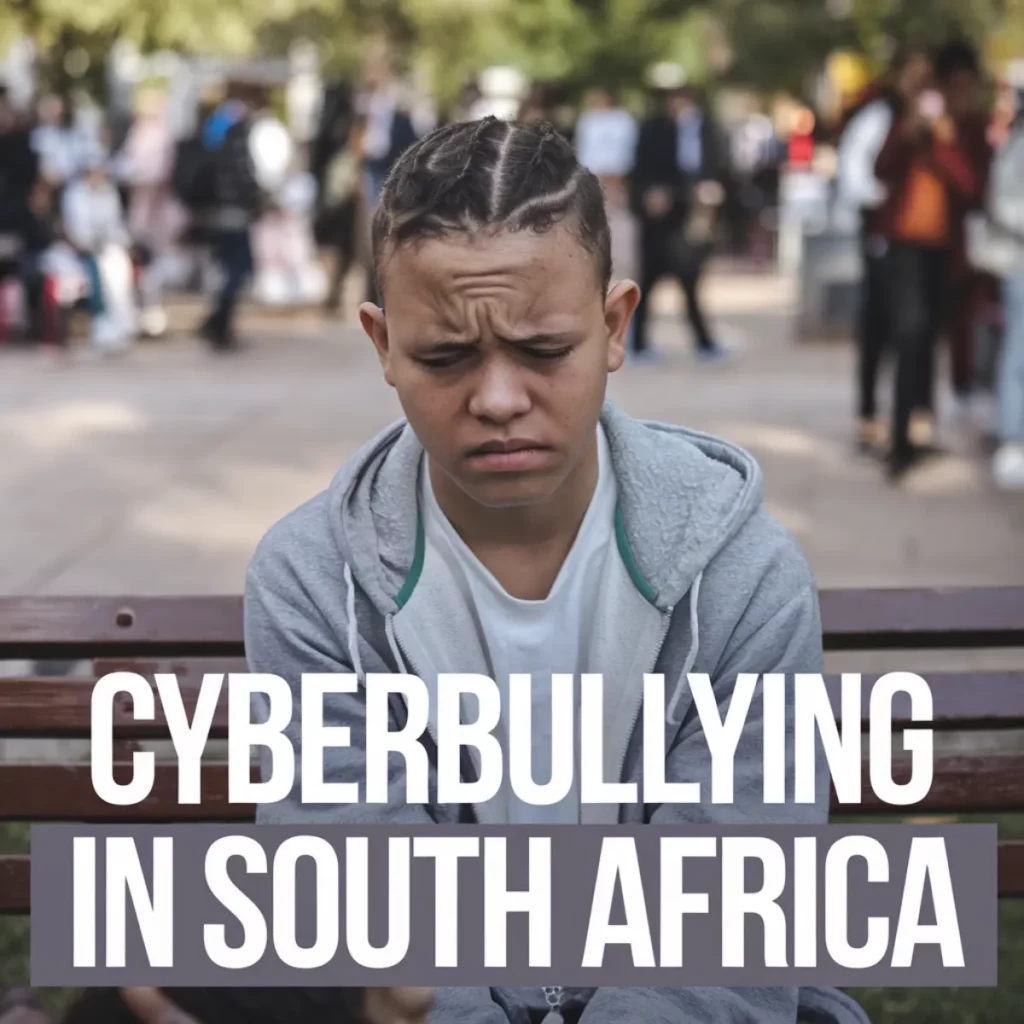
Before diving into the specifics of cyberbullying in South Africa, it is important to have a clear understanding of what cyberbullying entails. Cyberbullying is defined as the use of electronic communication tools such as social media platforms, websites, emails, and text messages to bully or harass others. Unlike traditional bullying, which often occurs in person, cyberbullying can take place anytime and anywhere. The anonymity and distance offered by the digital world can lead to more harmful and aggressive behaviours, making it a particularly dangerous form of bullying.
Cyberbullying can take many forms, including spreading false information, sending abusive or threatening messages, sharing explicit or embarrassing photos, creating hurtful online posts, and excluding individuals from online groups or communities. Its effects can be long-lasting, often leaving emotional scars on the victims, which can manifest in depression, anxiety, and other mental health issues.
In South Africa, the issue of cyberbullying is not just limited to schools and youth culture, but extends to the workplace, social media spaces, and even within families. With a population that has become increasingly connected to the internet and social media, the reach and impact of cyberbullying have spread to all corners of society.
The Prevalence of Cyberbullying in South Africa
Cyberbullying is not a unique phenomenon to South Africa, as it is widespread across the globe. However, in South Africa, the issue is exacerbated by several factors, including social inequality, high rates of unemployment, and a young population that is highly active on digital platforms.
South Africa has one of the highest internet penetration rates on the African continent, with an increasing number of people, particularly teenagers and young adults, gaining access to the internet via mobile devices. This has led to the rise of online interactions, where young people are spending more time engaging in social media, chatting online, and sharing personal details. While this digital engagement offers a wide range of opportunities, it also exposes them to risks, including cyberbullying.
The prevalence of cyberbullying in South Africa can be linked to several social factors. Social media platforms such as Facebook, Instagram, WhatsApp, and Twitter are commonly used by South African youth, which makes them easy targets for online harassment. Statistics indicate that, in South Africa, about 50% of children aged 13 to 17 years old have reported experiencing some form of cyberbullying. While the issue affects both boys and girls, girls tend to be more frequent victims of cyberbullying, often targeted for their appearance, relationships, or social status.
Furthermore, online harassment in South Africa often goes hand-in-hand with other social issues such as racism, sexism, and homophobia. The deep-rooted legacy of apartheid and the ongoing challenges of racial inequality have given rise to various forms of discrimination, and unfortunately, these issues are often carried over to the digital space. Victims of cyberbullying may be subjected to racist or gendered slurs, and often face harassment from anonymous or known individuals who seek to exploit or target their vulnerabilities.
The Psychological and Emotional Impact of Cyberbullying
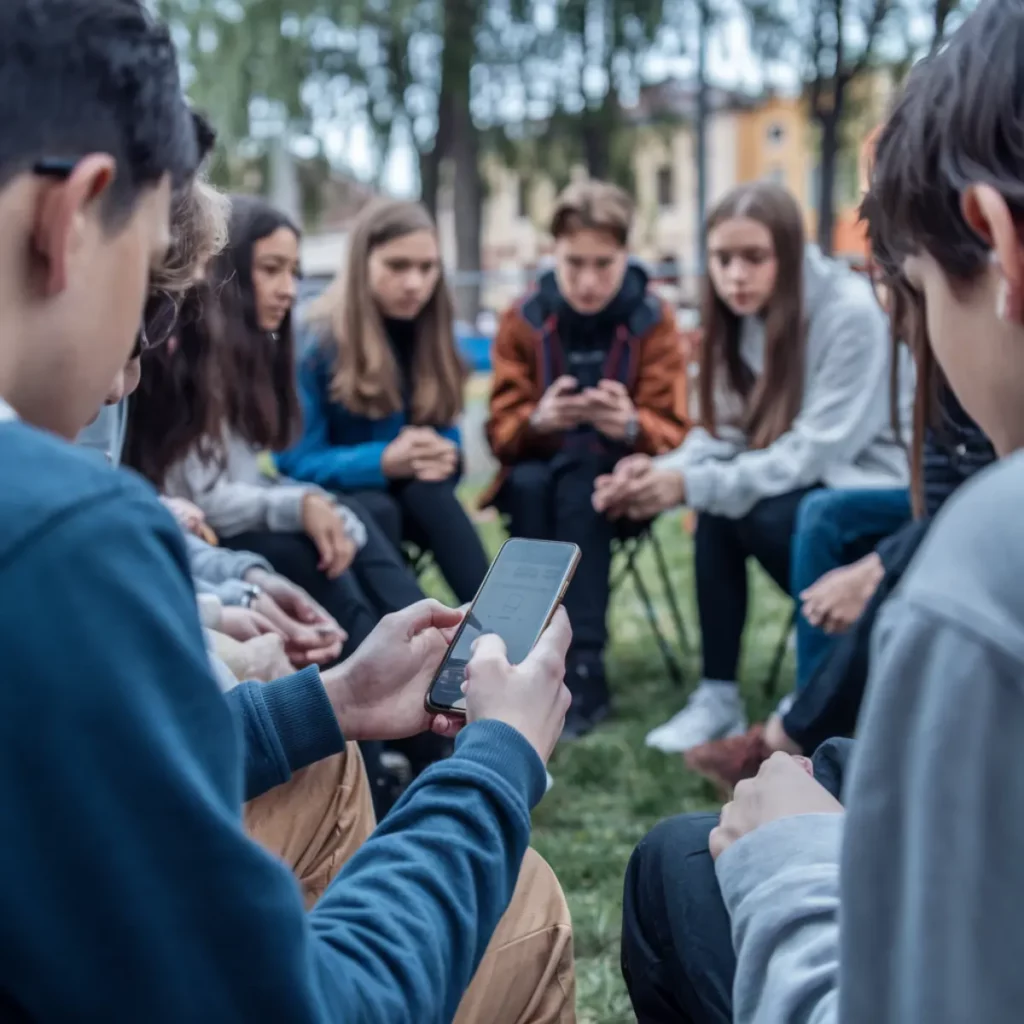
The impact of cyberbullying is devastating, particularly for young victims. In South Africa, as in many other countries, the digital age has brought about a new set of challenges for the youth. The harmful effects of cyberbullying can lead to serious mental health issues, and it often goes unnoticed by those around the victim.
Victims of cyberbullying are at risk of developing a range of emotional and psychological issues. Anxiety, depression, and low self-esteem are common outcomes of prolonged exposure to cyberbullying. These individuals may feel isolated and ashamed, which can impact their ability to form healthy relationships and trust others. For many victims, the hurtful words or actions from their peers linger, even when the bullying stops. The constant exposure to online harassment can lead to feelings of helplessness, anger, and hopelessness.
In some cases, the impact of cyberbullying can be so severe that it leads to self-harm or suicide. According to the Suicide Crisis Helpline in South Africa, there has been an alarming rise in the number of young people who are attempting suicide or self-harming as a result of bullying. Although it is difficult to quantify the exact number of deaths linked to cyberbullying in South Africa, experts argue that the issue of online harassment should not be taken lightly, as the consequences can be life-threatening.
Factors Contributing to Cyberbullying in South Africa
The reasons behind the prevalence of cyberbullying in South Africa are complex and multifaceted. Several social, economic, and cultural factors contribute to the high rates of online harassment and bullying in the country. These include:
1. Access to Technology and Social Media
With the rapid expansion of mobile phone and internet access in South Africa, the youth are increasingly spending time online, which exposes them to both positive and negative experiences. The anonymity afforded by the internet allows bullies to attack their victims without fear of reprisal. In addition, social media platforms provide a fertile ground for cyberbullies to spread harmful content, attack a person’s character, or humiliate them publicly.
2. Social Inequality and Unemployment
South Africa’s high levels of inequality and unemployment contribute to the socio-economic pressures felt by its youth. Many young South Africans face financial and emotional challenges that can manifest in cyberbullying. For instance, young people who feel excluded or disadvantaged in real life may resort to online harassment as a way to vent their frustration or assert power over others. The feeling of powerlessness in real life can prompt some individuals to use the internet as a means of gaining control or causing harm.
3. Cultural Norms and Socialisation
In South African society, traditional gender roles, as well as ethnic and racial divisions, often shape how people interact with one another, both in real life and online. Racism, sexism, and homophobia persist in many communities, and these social issues sometimes bleed into the digital world. Cyberbullying in South Africa is often tied to these cultural norms, as many victims are targeted based on their gender, race, or sexual orientation.
4. Lack of Digital Literacy and Education
One of the challenges in addressing cyberbullying in South Africa is the lack of widespread digital literacy and awareness about the potential dangers of online spaces. Many young people may not fully understand the consequences of their actions online, and they may not be aware of the support resources available to them. There is also a lack of education in schools about responsible online behaviour and the negative effects of bullying, which leaves students ill-equipped to deal with bullying when it happens.
Addressing Cyberbullying in South Africa: Efforts and Challenges

While cyberbullying continues to be a significant issue in South Africa, various steps have been taken by government, civil society, and schools to address this growing problem. However, there are still significant challenges that need to be overcome to effectively combat cyberbullying in the country.
1. Legal Framework and Policy Measures
South Africa has made some strides in tackling online harassment through the establishment of legal frameworks. In 2013, the Protection from Harassment Act was passed, which provides individuals with legal protection against various forms of harassment, including cyberbullying. The act allows victims to seek protection orders, and those found guilty of online harassment can be penalised.
Furthermore, in 2019, the Cybercrimes Bill was introduced to specifically address cybercrimes, including cyberbullying, identity theft, and online defamation. The Bill criminalises various forms of cyberbullying, and offenders can face heavy penalties, including imprisonment. While these legal measures are crucial, enforcement remains a challenge, as many cases of cyberbullying go unreported due to fear of retaliation or a lack of trust in the justice system.
2. Educational Campaigns and Initiatives
Educational initiatives are critical to preventing cyberbullying in South Africa. Schools, non-governmental organisations, and online platforms have taken steps to raise awareness about the dangers of bullying. Campaigns aimed at educating children, parents, and teachers about online safety and digital citizenship are important in helping young people understand the risks they face and how to protect themselves from online harassment.
Organisations such as The South African Depression and Anxiety Group (SADAG) offer resources and support for victims of cyberbullying and those affected by mental health issues. These initiatives are vital in raising awareness and providing assistance to those who need it most.
3. Support Systems for Victims
It is essential for victims of cyberbullying to have access to mental health support services and counselling. Schools and communities need to establish robust support systems to ensure that victims feel safe and empowered to report incidents of bullying. Helplines, online platforms, and counselling services play a key role in helping victims recover from the emotional and psychological impact of online harassment.
Conclusion
Cyberbullying is an urgent and growing problem in South Africa, affecting the country’s youth and having far-reaching consequences for its victims. While efforts have been made to address this issue through legal frameworks, education, and support systems, much work remains to be done. As digital technology continues to evolve, it is crucial for South Africa to remain vigilant and proactive in combatting bullying. A multi-faceted approach that includes stronger legal measures, increased digital literacy, and more robust support for victims is necessary to create a safer and healthier online environment for all South Africans, particularly its youth.
Through continued collaboration between government, civil society, schools, and parents, South Africa can take significant strides in combating cyberbullying, ensuring that its young people can thrive in a digital world without the fear of harassment or abuse. It is an issue worthy of our attention and action.