
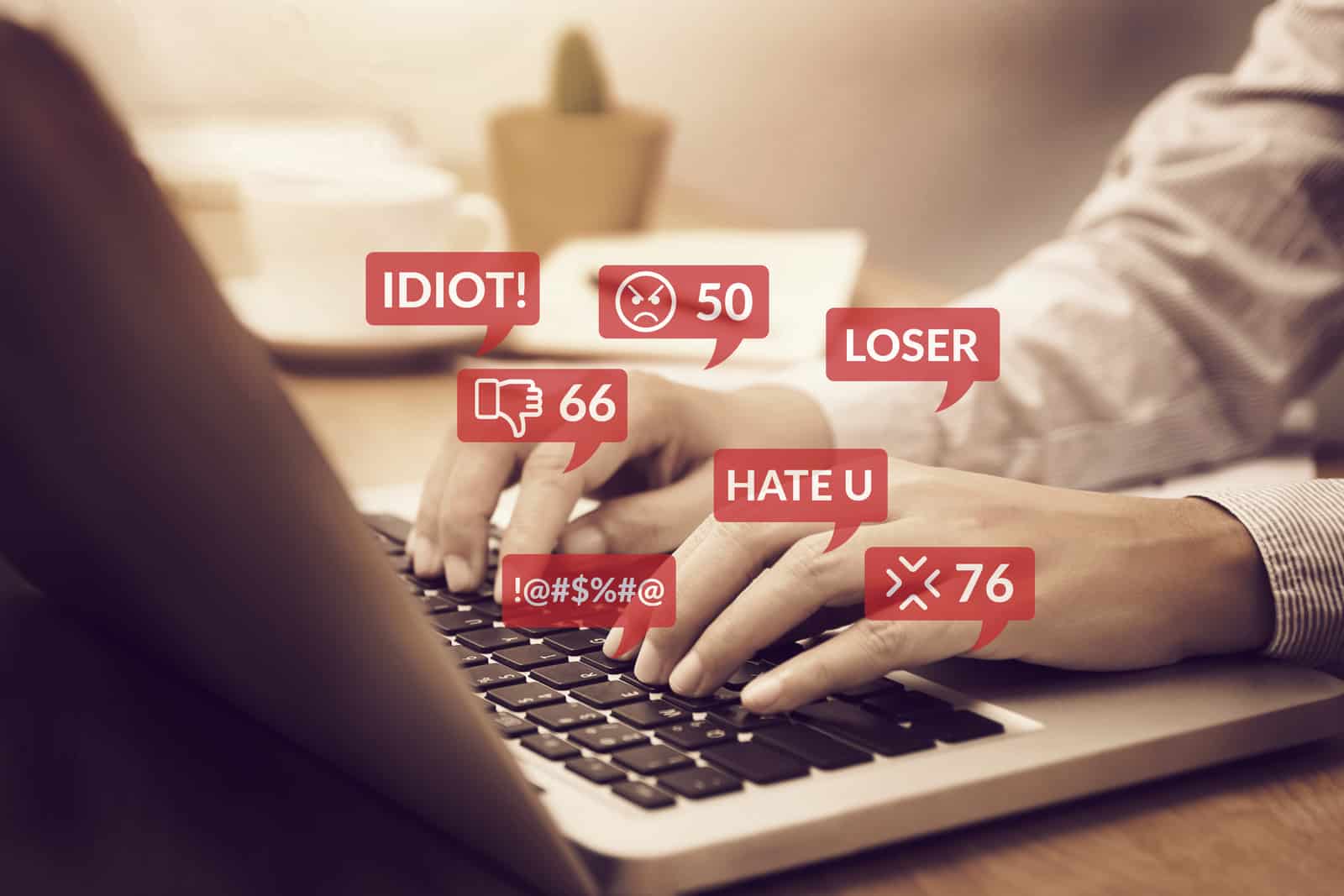
The digital world has transformed how young New Zealanders connect, learn, and socialise, but it has also created new avenues for harm. Recent research reveals that nearly one in four secondary school students across Aotearoa has experienced cyberbullying, making this a pressing public health concern that demands urgent attention from parents, educators, and policymakers alike.
Understanding the scope and nature of cyberbullying in New Zealand requires examining the latest data, trends, and research findings. This comprehensive guide presents the most current cyberbullying statistics available for 2025, drawing from recent studies by Netsafe, the Ministry of Education, and leading New Zealand universities to provide an authoritative overview of the cyberbullying situation facing our youth today.
Table of Contents
Key New Zealand Cyberbullying Statistics

Current research data provides a sobering picture of cyberbullying’s prevalence across New Zealand’s educational institutions and online spaces. The statistics presented here represent the most recent findings from national surveys and research studies, offering insights into how widespread this problem has become and which young people are most at risk.
Youth and Teenage Cyberbullying Rates
New Zealand’s cyberbullying rates remain concerning, with the latest surveys indicating that approximately 22% of secondary school students report experiencing online harassment within the past twelve months. This figure represents a slight increase from previous years, suggesting that despite increased awareness and prevention efforts, the problem continues to grow alongside our expanding digital connectivity.
The data shows particularly troubling patterns when examining age demographics. Children as young as 11 years old now report their first experiences with cyberbullying, with the average age for initial exposure dropping to 13 years. This shift towards younger victims reflects the increasing digital literacy and device ownership among primary school students, who often encounter online harassment before developing adequate coping mechanisms or understanding of appropriate digital behaviour.
Secondary school students face the highest risk, with Year 9 and Year 10 pupils (ages 13-15) showing the greatest vulnerability to cyberbullying incidents. During these critical developmental years, 28% of students report experiencing severe online harassment that significantly impacts their daily lives, school performance, and mental wellbeing.
Cyberbullying Deaths and Suicide Statistics New Zealand
The relationship between cyberbullying and youth suicide in New Zealand represents one of the most serious aspects of this crisis. Recent analysis by the Chief Coroner’s office has identified cyberbullying as a contributing factor in approximately 15% of youth suicides, with social media harassment featuring prominently in the background circumstances of these tragic cases.
New Zealand’s youth suicide rate, already among the highest in the developed world, shows clear correlations with cyberbullying experiences. Young people who experience sustained online harassment are 2.3 times more likely to attempt suicide compared to their non-bullied peers, according to longitudinal research conducted by the University of Otago.
The statistics become even more alarming when examining specific demographics. Māori rangatahi who experience cyberbullying show suicide attempt rates 3.1 times higher than the general population, whilst Rainbow youth (LGBTQIA+ identifying young people) face the greatest risk, with 41% reporting suicidal thoughts directly linked to online harassment experiences.
Mental health professionals across New Zealand report that cyberbullying-related presentations to emergency services have increased by 34% over the past two years, with many cases involving young people who feel unable to escape their harassers due to the persistent nature of digital communication.
Social Media Cyberbullying Statistics
Social media platforms serve as the primary venues for cyberbullying incidents, with specific platforms showing varying patterns of harassment. Instagram accounts for 31% of reported cyberbullying cases, followed closely by Snapchat at 27% and TikTok at 24%. Facebook, whilst less popular among younger users, still accounts for 18% of incidents, often involving more severe forms of harassment including image-based abuse.
The nature of cyberbullying varies significantly across platforms. Instagram incidents frequently involve appearance-related harassment and exclusion from group activities, whilst TikTok bullying often includes public shaming through duet responses and comment harassment. Snapchat’s temporary message feature creates particular challenges for evidence gathering and reporting, with 67% of Snapchat-related incidents going unreported to authorities.
Gaming platforms represent an emerging concern, with Discord, Roblox, and Fortnite showing increasing rates of harassment targeting New Zealand youth. These platforms often lack adequate moderation for New Zealand users, creating environments where persistent harassment can occur without effective intervention.
Cyberbullying Facts and Research New Zealand
Research institutions across New Zealand have conducted extensive studies to better understand the cyberbullying phenomenon and its impact on young people. These studies provide crucial insights into the patterns, causes, and consequences of online harassment, helping inform both prevention strategies and support services for affected individuals and families.
How Many People Get Cyberbullied Each Year in New Zealand
Approximately 89,000 young New Zealanders between the ages of 10 and 24 experience cyberbullying each year, based on current population data and prevalence rates from recent surveys. This figure represents a significant portion of our youth population and translates to substantial social and economic costs for families and communities nationwide.
The annual rate of new cyberbullying incidents continues to rise, with first-time victims increasing by approximately 8% each year. This growth correlates directly with increased smartphone ownership and social media usage among younger age groups, particularly as children gain access to devices and platforms at earlier ages.
Repeat victimisation affects approximately 34% of cyberbullying targets, meaning that once a young person experiences online harassment, they face significantly higher risks of future incidents. This pattern creates ongoing trauma and stress for affected individuals, often requiring sustained support from families, schools, and mental health services.
Gender and Age Demographics
Gender differences in cyberbullying experiences show distinct patterns across New Zealand’s youth population. Girls and young women report higher rates of cyberbullying victimisation, with 26% experiencing online harassment compared to 18% of boys and young men. However, the nature and impact of these experiences differ significantly between genders.
Female victims typically face relational aggression, including rumour-spreading, social exclusion, and appearance-based harassment. These incidents often involve multiple perpetrators and extended campaigns of harassment that can continue for months. The psychological impact tends to be more severe and long-lasting, with girls showing higher rates of depression, anxiety, and self-harm following cyberbullying experiences.
Male victims more commonly experience direct threats, gaming-related harassment, and challenges to their masculinity or sexuality. Whilst boys report fewer overall incidents, they are significantly less likely to seek help from adults, with only 23% discussing their experiences with parents or teachers compared to 47% of girls.
Age-related patterns show cyberbullying peaking during early adolescence, with 13-15 year olds representing the highest-risk demographic. This period coincides with increased social media usage, greater peer influence, and significant developmental changes that affect emotional regulation and social relationships.
Māori and Pacific Islander Statistics
Indigenous and Pacific communities in New Zealand face disproportionate rates of cyberbullying, often compounded by cultural elements that make these experiences particularly harmful. Māori rangatahi report cyberbullying rates 1.4 times higher than the general population, with 31% experiencing online harassment in the past year.
Cultural identity becomes a specific target in many cases, with 78% of Māori cyberbullying victims reporting harassment related to their ethnicity, cultural practices, or use of te reo Māori. This form of cyberbullying carries additional trauma as it attacks fundamental aspects of identity and cultural connection.
Pacific Islander youth face similar challenges, with 29% reporting cyberbullying experiences that frequently include racial elements. The close-knit nature of many Pacific communities means that cyberbullying incidents often have wider social ramifications, affecting extended family and community relationships.
Both Māori and Pacific Islander families report feeling less confident in navigating cyberbullying incidents, with many unsure about appropriate reporting mechanisms or available support services. This knowledge gap often leads to delayed intervention and prolonged suffering for affected young people.
New Zealand Cyberbullying Laws and Legal Protection
New Zealand’s legal framework for addressing cyberbullying has evolved significantly in recent years, with new legislation and enforcement mechanisms providing both preventive measures and remedies for victims. Understanding these legal protections is essential for parents, educators, and young people themselves to know their rights and available options when cyberbullying occurs.
Harmful Digital Communications Act Overview
The Harmful Digital Communications Act 2015 represents New Zealand’s primary legal response to cyberbullying and online harassment. This legislation establishes clear principles for digital communication and provides both civil and criminal remedies for harmful online behaviour.
The Act defines harmful digital communications as those likely to cause serious emotional distress, fear for safety, or damage to reputation. Key provisions include prohibitions against posting intimate images without consent, making threatening communications, and engaging in sustained harassment campaigns. The legislation applies to all digital platforms and communication methods, including social media, text messaging, email, and gaming platforms.
Under this Act, the newly established Approved Agency (currently Netsafe) provides free services to help resolve cyberbullying complaints. The agency can investigate complaints, facilitate communication between parties, and make recommendations for platform removal of harmful content. When civil remedies prove insufficient, the Act also creates criminal offences with penalties including fines up to $50,000 and imprisonment for up to two years.
Importantly, the legislation recognises the particular vulnerability of young people online, with specific protections for minors and enhanced penalties when victims are under 18 years of age. Schools and educational institutions also receive clear guidance on their responsibilities and powers to address cyberbullying incidents involving their students.
How to Report Cyberbullying in New Zealand
Reporting cyberbullying in New Zealand involves several options, depending on the severity and nature of the incident. The first step typically involves documenting evidence by taking screenshots, saving messages, and recording relevant details including dates, times, and platform information.
For most cyberbullying incidents, Netsafe provides the most accessible reporting option through their online portal or helpline (0508 NETSAFE). Their trained staff can provide immediate advice, help victims understand their options, and take action to have harmful content removed from platforms. Netsafe’s services are free, confidential, and available to anyone affected by harmful digital communications.
Serious incidents involving threats of violence, intimate image abuse, or criminal behaviour should be reported directly to New Zealand Police through their online reporting system or by calling 105. Police have specialised cybercrime units trained to investigate digital harassment cases and can pursue criminal charges when appropriate.
Schools play a crucial role in the reporting process, particularly for incidents involving students. Most New Zealand schools now have specific cyberbullying policies and trained staff to handle these situations. Parents and students should report incidents to school counsellors, deputy principals, or designated digital safety coordinators who can coordinate responses and provide ongoing support.
Platform-specific reporting mechanisms also provide important tools for addressing cyberbullying. Major social media companies have improved their reporting systems and response times, particularly for New Zealand users. However, platform responses can be slow and inconsistent, making Netsafe’s intervention services particularly valuable for urgent situations.
Legal Consequences for Cyberbullies
Cyberbullying perpetrators in New Zealand face a range of potential legal consequences, from platform account suspensions to criminal charges carrying significant penalties. The severity of consequences typically escalates based on the nature of the behaviour, its impact on victims, and the perpetrator’s age and previous conduct.
For minor incidents, consequences often begin with platform-based penalties including content removal, account restrictions, or permanent bans. These administrative actions can effectively stop harassment whilst avoiding formal legal proceedings, particularly when dealing with young perpetrators who may not fully understand the impact of their behaviour.
Civil remedies under the Harmful Digital Communications Act include court orders requiring harassment to stop, removal of harmful content, and publication of corrections or apologies. The District Court can also award compensation to victims for emotional distress, counselling costs, and other damages resulting from cyberbullying incidents.
Criminal charges apply to the most serious cases, with the Act creating specific offences for harmful digital communications. Maximum penalties include fines up to $50,000 and imprisonment for up to two years. Additional charges may apply under other legislation, including threatening behaviour, harassment, and privacy violations.
Young perpetrators often receive educational interventions rather than punitive measures, recognising that many cyberbullying incidents stem from poor digital citizenship skills rather than malicious intent. Restorative justice programmes help young people understand the impact of their behaviour whilst providing opportunities for making amends to their victims.
Types of Cyberbullying in New Zealand
Understanding the various forms cyberbullying takes in New Zealand helps parents, educators, and young people recognise harmful behaviour and respond appropriately. Different types of cyberbullying require different intervention strategies and may have varying legal implications under New Zealand law.
Text Bullying and Mobile Harassment
Text message harassment remains one of the most common forms of cyberbullying experienced by New Zealand youth, affecting approximately 67% of all cyberbullying victims. The persistent and intrusive nature of text harassment makes it particularly harmful, as perpetrators can reach their targets at any time of day or night, creating a sense that there is no safe space.
Mobile harassment often escalates quickly from name-calling to more serious threats and can involve multiple perpetrators sending coordinated harassment campaigns. The private nature of text messaging means these incidents often go undetected by parents and teachers until significant harm has occurred.
Group messaging applications like WhatsApp and Messenger create additional challenges, with victims finding themselves excluded from group conversations or subjected to harassment in group chats where multiple participants may join in the bullying behaviour. These platforms’ encryption features can complicate reporting and evidence gathering processes.
International messaging services present particular difficulties for New Zealand authorities, as they may fall outside local legal jurisdiction and have limited cooperation with New Zealand law enforcement. Parents need to be aware of which messaging platforms their children use and understand the reporting mechanisms available for each service.
Social Media Bullying Platforms
Each major social media platform presents unique challenges and characteristics when it comes to cyberbullying behaviour. Instagram’s visual focus means appearance-based harassment is common, with victims facing criticism about their looks, clothing, or lifestyle choices. The platform’s story and comment features allow for both public and semi-private harassment that can reach wide audiences.
TikTok’s algorithm-driven content distribution can amplify bullying videos, potentially exposing harassment content to thousands of viewers. The platform’s duet and response features enable persistent harassment campaigns where multiple users can participate in mocking or criticising targeted individuals.
Snapchat’s disappearing message feature creates particular challenges for evidence collection and reporting. Perpetrators often believe their harmful behaviour will leave no permanent record, leading to more extreme harassment than might occur on other platforms. The platform’s location-sharing features also create safety concerns when combined with cyberbullying incidents.
Facebook, whilst less popular among younger users, still hosts significant cyberbullying activity particularly among older teenagers and young adults. The platform’s extensive sharing and commenting features can turn minor incidents into major harassment campaigns involving extended social networks.
Online Gaming Harassment
Gaming platforms represent a growing concern for cyberbullying in New Zealand, with 43% of young gamers reporting harassment experiences while playing online games. The competitive nature of gaming environments, combined with voice chat capabilities and anonymous interactions, creates conditions where harassment can escalate quickly.
Discord servers, popular among New Zealand gaming communities, present particular challenges with their text and voice chat features. Harassment on these platforms often extends beyond gaming sessions, with perpetrators using the platforms for sustained harassment campaigns that can continue across multiple games and social groups.
Popular games like Fortnite, Roblox, and Minecraft attract younger players but often lack adequate moderation for offensive behaviour. New Zealand children as young as eight years old report experiencing harassment in these gaming environments, often involving inappropriate language, threats, and exclusion from gaming groups.
The global nature of online gaming means New Zealand children interact with players from around the world, potentially exposing them to different cultural attitudes towards harassment and bullying that may be more tolerant of harmful behaviour than New Zealand social norms.
Impact and Consequences
The effects of cyberbullying extend far beyond the immediate distress of receiving harmful messages or seeing hurtful posts online. For New Zealand families, communities, and society as a whole, cyberbullying creates lasting consequences that affect educational outcomes, mental health systems, and economic productivity.
Mental Health Effects on New Zealand Youth
Mental health impacts represent the most serious and immediate consequences of cyberbullying for New Zealand youth. Research conducted by Auckland University shows that cyberbullying victims experience depression rates 2.8 times higher than their peers, with symptoms often persisting long after the harassment has stopped.
Anxiety disorders affect 71% of cyberbullying victims, with many developing specific phobias related to technology use, social situations, or school attendance. These anxiety symptoms can severely impact academic performance and social development, creating long-term consequences that extend well into adulthood.
Sleep disturbances affect nearly all cyberbullying victims, with 89% reporting difficulty falling asleep and 76% experiencing persistent sleep disruption. The constant connectivity of modern devices means many young people cannot escape harassment even in their bedrooms, traditionally considered safe spaces for rest and recovery.
Self-harm behaviours increase dramatically among cyberbullying victims, with rates 4.2 times higher than the general youth population. New Zealand mental health services report that cyberbullying now features as a contributing factor in 34% of youth self-harm presentations to emergency departments nationwide.
Eating disorders show concerning correlations with cyberbullying experiences, particularly appearance-based harassment common on visual social media platforms. Young people subjected to body-shaming and appearance-based cyberbullying show eating disorder rates 3.6 times higher than their peers.
Academic and Social Consequences
Educational impacts of cyberbullying create lasting disadvantages for affected students across New Zealand’s school system. Academic performance declines significantly following cyberbullying incidents, with victims showing average grade decreases of 0.7 grade points and increased absenteeism rates of 23%.
School avoidance becomes a common coping mechanism, with 45% of cyberbullying victims missing significant amounts of school to avoid face-to-face interactions with perpetrators. This avoidance behaviour often extends to extracurricular activities, limiting opportunities for positive social connections and skill development.
Social isolation compounds the academic impact, as victims often withdraw from peer relationships to avoid further harassment. This isolation can prevent the development of crucial social skills and support networks that are essential for healthy adolescent development.
Post-secondary education aspirations and achievement suffer long-term impacts, with cyberbullying victims showing lower rates of university attendance and completion. The confidence and self-esteem damage created by sustained harassment can limit educational and career choices for years after the initial incidents.
Economic Cost to New Zealand Society
The economic impact of cyberbullying on New Zealand society reaches approximately $447 million annually when accounting for healthcare costs, educational interventions, lost productivity, and criminal justice responses. This figure represents a significant burden on public resources and highlights the importance of effective prevention and intervention strategies.
Healthcare costs include increased mental health service utilisation, emergency department presentations, and ongoing therapeutic support for victims and their families. These costs continue to rise as cyberbullying incidents increase and awareness of mental health impacts improves, leading to more help-seeking behaviour.
Educational system costs include additional counselling services, disciplinary procedures, policy development, and staff training programmes. Schools across New Zealand now budget significant resources for cyberbullying prevention and response, resources that could otherwise support academic programmes and student achievement.
Lost productivity affects both families and the broader economy as parents take time off work to support affected children, attend meetings with schools, and access support services. Young people experiencing cyberbullying show reduced academic performance and lower post-secondary achievement, limiting their future economic contribution.
Prevention and Support Resources

New Zealand has developed a comprehensive network of support services and prevention programmes designed to address cyberbullying at community, school, and national levels. These resources provide crucial assistance for victims, families, and communities while working to prevent future incidents through education and awareness programmes.
Netsafe New Zealand Services
Netsafe serves as New Zealand’s primary cyberbullying support service, offering free, confidential assistance to anyone affected by harmful digital communications. Their services include 24/7 helpline support (0508 NETSAFE), online reporting systems, and specialised intervention services designed to stop harassment and support recovery.
The organisation’s trained advisors provide immediate crisis support, practical advice on evidence collection and reporting, and ongoing assistance throughout the resolution process. Netsafe can contact social media platforms and other online services on behalf of victims to request content removal and account suspensions.
Educational programmes delivered by Netsafe reach thousands of New Zealand students annually through school visits, online resources, and community presentations. These programmes focus on digital citizenship, bystander intervention, and creating positive online communities that resist cyberbullying behaviour.
Parents and families receive specialised support through Netsafe’s family advisory services, helping them understand technology use, implement appropriate safety measures, and respond effectively to cyberbullying incidents. The organisation recognises that family support is crucial for young people’s recovery from cyberbullying experiences.
Parent and Educator Guidelines
Effective cyberbullying prevention requires coordinated action from parents, schools, and communities working together to create safe digital environments for young people. Clear guidelines help adults understand their roles and responsibilities while providing practical strategies for prevention and response.
Parents need regular education about current technology trends, social media platforms, and digital communication methods used by their children. Understanding these technologies helps parents recognise potential risks and maintain appropriate oversight without being overly restrictive or invasive.
Open communication between parents and children about online experiences creates opportunities for early intervention when problems arise. Regular conversations about digital citizenship, online relationships, and appropriate behaviour help children develop the skills needed to navigate online environments safely.
Schools play a crucial role through comprehensive cyberbullying policies that clearly define prohibited behaviour, reporting procedures, and consequences for perpetrators. Staff training ensures consistent responses to incidents whilst supporting victims and addressing underlying causes of bullying behaviour.
Community partnerships between schools, families, and local organisations create broader support networks that can address cyberbullying’s complex social dimensions. These partnerships might include mental health services, youth organisations, and cultural groups that provide specialised support for at-risk populations.
Support Services for Victims
Victims of cyberbullying and their families have access to various specialised support services across New Zealand, ranging from immediate crisis intervention to long-term therapeutic support designed to address trauma and rebuild confidence and resilience.
Mental health services specifically trained in cyberbullying trauma provide essential support for victims experiencing depression, anxiety, and other psychological impacts. These services understand the unique aspects of digital harassment and can provide appropriate therapeutic interventions.
Youthline (0800 376 633) offers 24/7 crisis support specifically designed for young people, with trained counsellors available via phone, text, and online chat. Their services are free, confidential, and staffed by people who understand the particular challenges facing New Zealand youth.
School-based support services include counsellors, social workers, and specialised staff trained to help students navigate cyberbullying incidents whilst maintaining their education and social connections. These services work closely with families to coordinate comprehensive support plans.
Cultural support services recognise that Māori, Pacific Islander, and other cultural communities may need specialised approaches that acknowledge cultural values, family structures, and traditional healing practices alongside mainstream support services.