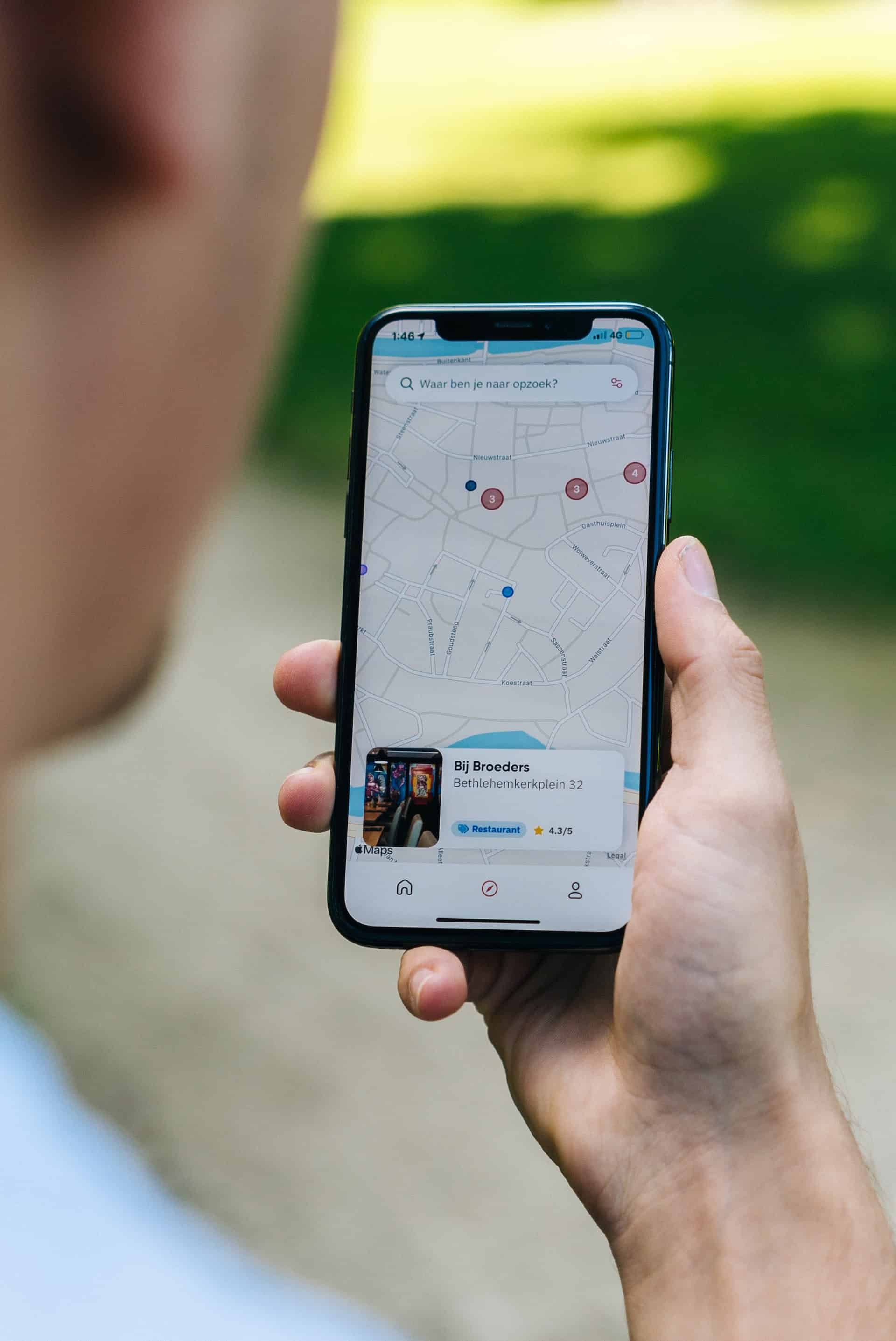

Parents worry about their children when they are away from home. Child tracker devices make it easier for parents to monitor their children’s location and activities remotely. Whether through smartphone apps or GPS-enabled devices, these tools provide reassurance and safety.
This article explores different types of child tracking methods, their benefits and drawbacks, legal and ethical considerations, how to introduce tracking to children, and essential cybersecurity measures to protect sensitive data. Understanding these aspects helps parents use tracking responsibly while balancing safety and privacy.
Table of Contents
Child Tracker Apps
Child tracker apps can be easily downloaded to almost any electronic or digital device. Many smartphones, tablets, and laptops already have a GPS tracking system installed as part of the manufacturing process. Parents can use these apps to their advantage by setting the phone to continually sync to a backup account. This allows the phone to be tracked at all times, even if the children or teens are unaware.
Additional child tracker apps that go above and beyond what the factory-installed apps do can be installed. These apps also track text messages, voicemails, and multimedia messages. They allow parents to track the child’s location and every action taken using the device. If the apps are installed correctly and the parent knows how to sync them to their device, the child cannot override them. Most apps are password-protected and can only be changed from the parent’s device.
GPS Child Tracker Devices

Individual child GPS tracker devices can be purchased and attached to various items the child carries with them all the time. If the device is small enough, it can be attached to backpacks, coats, or pieces of jewellery. The device monitors the child’s whereabouts and transmits the signals to a receiver that keeps an ongoing record.
A child tracker watch has a GPS system installed and acts just like a regular watch. The only difference is that the tracking device constantly records the location of the watch and whoever is wearing it. A watch or child tracker bracelet is inconspicuous and can be worn at any time. They serve alternate functions, so children are often unaware that they are being monitored.
Parents will often employ the use of a GPS child tracker when they are sending a young child on a long journey. It is becoming increasingly common for parents to send their children on national and international flights. Using these tracking devices allows the parents to know where their children are at all times without worrying about them being lost or out of touch for any length of time.
Hidden Child Trackers
Hidden child trackers are often used when monitoring teenagers. Children with learning disabilities may be monitored through hidden child trackers to prevent them from being lost or lured away by strangers. Trackers are hidden for several reasons. A few of them include:
- Children are unaware they are being monitored
- Devices are hidden so that others do not know they are there
- Hidden apps on smartphones are concealed so the phone’s movements can be monitored without fear of being tampered with or turned off without the owner’s permission
- Less likely to be removed by children, teens or third parties who are attempting to sell or alter the device
Using a hidden app can be against the law in certain situations. Monitoring other adults’ movements without their knowledge through a hidden GPS tracker is considered a violation of privacy. In most cases, the information received through the tracker is not admissible in court. Apps that record telephone conversations or act as voice recorders are also against the law unless a warrant is attached that allows the recordings and wiretaps to be used.
Legal and Ethical Considerations
Laws regarding child tracking devices vary by country and state. In most places, parents can monitor their minor children for safety reasons. However, some regions have strict privacy laws that limit how tracking data can be collected and used. Parents must be aware of these laws to ensure they are not unknowingly violating any regulations.
Ethical concerns also arise when a child is tracked without their knowledge. While younger children may not question parental monitoring, older children and teenagers might feel that constant surveillance invades their privacy. Parents should consider discussing tracking devices with their children to maintain trust and ensure they understand that monitoring is for their safety, not control.
Sometimes, using hidden trackers or monitoring apps without consent could be considered illegal, especially if the child is close to adulthood. Once a child turns 18, they are legally considered an adult, and tracking them without permission could result in legal consequences. Parents should also be cautious about sharing location data with third parties, as some apps may collect and sell this information, raising additional privacy concerns.
Employers, schools, and other institutions must also follow strict laws when using tracking technology on children. Schools that provide students with GPS-enabled devices must inform parents and students about data collection policies. In some cases, parents may have the right to opt their child out of being tracked by school-issued devices.
While child trackers offer security and peace of mind, they must be used responsibly. Understanding the legal and ethical implications ensures that monitoring is done to protect both the child’s safety and their right to privacy.
Pros and Cons of Child Tracking
Child tracking devices give parents a sense of security, knowing they can monitor their child’s location anytime. If a child gets lost or is in danger, GPS trackers help parents locate them quickly. Many apps also offer geofencing features, alerting parents when their child enters or leaves a designated safe area. This can be useful for monitoring school routes, after-school activities, or playdates without constant check-ins.
Another advantage is that some tracking apps provide more than just location tracking. They can monitor text messages, calls, and app usage, helping parents detect potential dangers such as online predators or cyberbullying. For children with special needs or medical conditions, tracking devices offer an added layer of safety, ensuring they do not wander into unsafe areas.
Despite these benefits, child tracking has drawbacks. Older children and teenagers may feel that constant monitoring invades their privacy. This can lead to distrust, especially if tracking is done without their knowledge. Some children may try to disable or remove tracking apps, rendering them ineffective.
Another concern is over-reliance on tracking technology. Parents who depend too much on GPS trackers might neglect to teach their children important safety skills, such as recognising dangerous situations or seeking help when needed. In some cases, tracking apps can also create a false sense of security, as devices can be lost, batteries can die, or signals can be blocked.
Cybersecurity risks are another drawback. Some child tracking apps collect and store sensitive data, which could be vulnerable to hacking. If a third party gains access to this information, it could pose a serious threat to the child’s safety. Parents should choose tracking services with strong privacy policies and ensure their data is well-protected.
While child tracking devices offer valuable safety benefits, they must be used thoughtfully. Open communication between parents and children can help balance security with privacy, ensuring that tracking remains a tool for protection rather than control.
How to Introduce Tracking to Children
Talking to children about tracking devices is important for building trust and ensuring they understand why monitoring is in place. Parents should explain that tracking is not about controlling them but keeping them safe. Open conversations help children feel more comfortable with the idea rather than seeing it as an invasion of privacy.
For younger children, tracking can be introduced as a safety tool. Parents can explain that the device allows them to be found quickly if they ever get lost or need help. Framing tracking as a way to stay connected rather than as a way to monitor every move can make younger children more accepting of it.
Teenagers, however, may resist tracking due to privacy concerns. Parents should honestly discuss why tracking is necessary and set clear boundaries. Instead of secretly installing tracking apps, parents can involve teenagers in choosing a tracking method they are comfortable with. This could include allowing tracking only during certain times, such as while travelling alone or attending crowded events.
It is also important to address concerns about independence. Children and teens want to feel trusted; constant tracking can restrict them. Parents can balance this by explaining that tracking is meant to be a safety net, not a way to monitor their every move. Setting rules, such as periodic check-ins instead of real-time tracking, can create a compromise that respects both safety and privacy.
Another key factor is teaching children how tracking devices work and their limitations. They should understand that GPS tracking does not replace personal responsibility. Parents can encourage safety habits like staying in safe areas, keeping their phones charged, and knowing emergency contacts.
By discussing tracking openly, setting reasonable boundaries, and respecting children’s privacy concerns, parents can use tracking technology as a tool for safety rather than surveillance. This approach helps maintain trust while ensuring children remain protected.
Safety Comes First
A child’s safety is a parent’s first priority. Child tracking devices can track everything from GPS coordinates to text messages. Sometimes, knowing where the child is doesn’t provide enough information. Being able to track written texts and voicemails allows parents to find exact locations. They may also provide information about who the child is with, where they are going and what route they plan to take to get there. If a child is in danger, this information is vital when time is of the essence. It can save a child’s life.
Parents who use GPS trackers for their children do so because they care for the child and want to ensure that the child is protected at all times. However, they must be careful as the child grows older. Tech-savvy kids are constantly finding ways to get around tracking apps, sending false information or turning them off altogether.
Before installing any GPS tracking device, a parent should carefully read the instructions to make sure the device is legal for what they intend to use it for. Children over 18 are considered adults, and the laws governing the use of tracking and other types of monitoring devices can prohibit their use. If the child or young adult is aware that the device is being used and they give their permission to be monitored, then no laws are broken. Any information received through their use can be used for investigative and legal purposes.
Child tracking apps and devices collect sensitive data, making them potential targets for hackers. Parents should choose reputable services with strong encryption and privacy policies to prevent unauthorised access. Avoid free or unknown apps that may sell location data to third parties.
Regularly updating software, enabling two-factor authentication, and limiting data sharing can enhance security. Teaching children about online safety, such as not sharing personal details or clicking unknown links, also reduces risks. Protecting a child’s location data is as important as tracking their safety. By prioritising cybersecurity; parents can ensure tracking remains a reliable tool without exposing their child to digital threats.