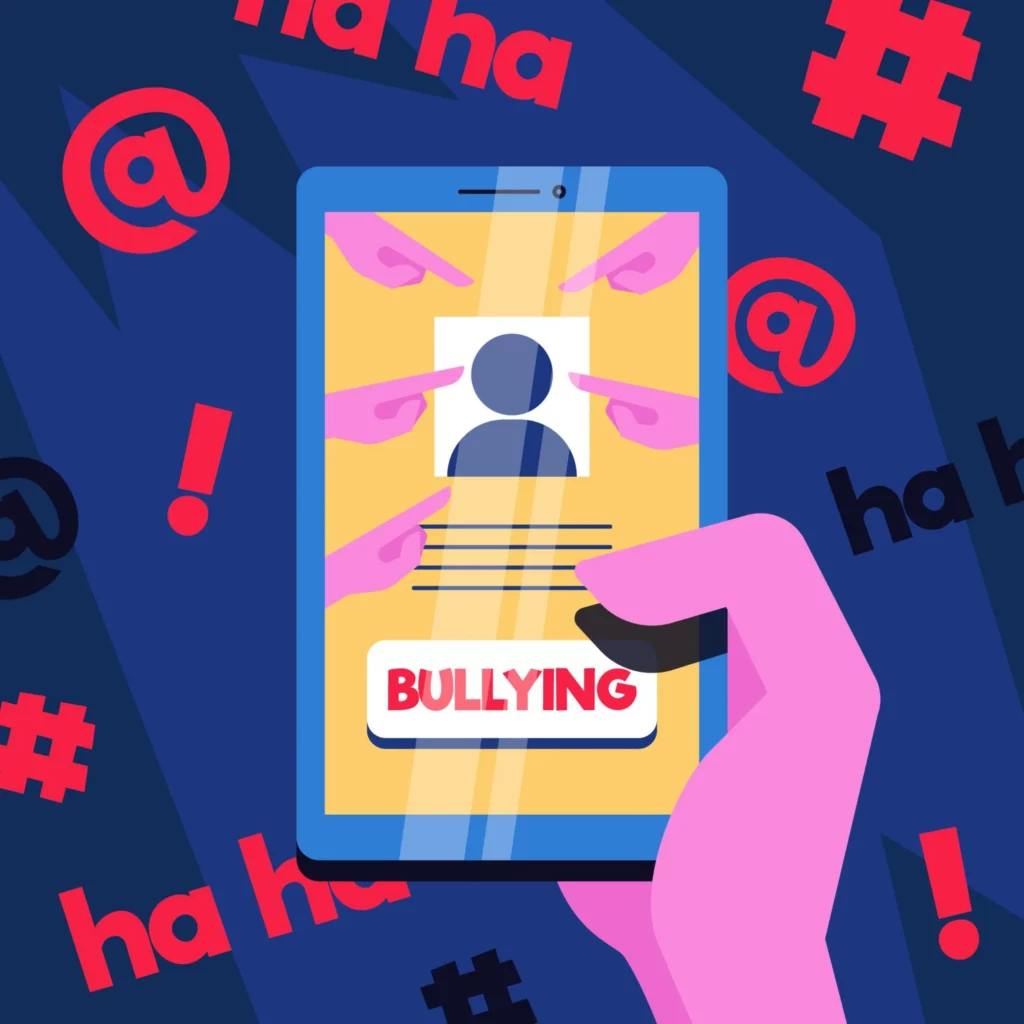

The digital transformation of British society has created unprecedented opportunities for connection and learning. However, this connected world has also given rise to a darker phenomenon that affects millions across the UK. Online bullying, once confined to playground interactions, now follows victims into their homes through smartphones, tablets, and computers, creating a relentless cycle of harassment that can devastate lives.
Understanding the true scope of this issue requires examining the latest data from across the United Kingdom. This comprehensive guide presents the most current statistics on online bullying, drawing from government research, charity investigations, and academic studies to provide parents, educators, and policymakers with the information needed to address this growing concern effectively.
Table of Contents
Online Bullying in the UK: Key Statistics at a Glance
The landscape of bullying has shifted dramatically in recent years, with digital platforms becoming the primary battleground for harassment and intimidation. This section examines the most recent data collected from across the United Kingdom, providing a clear picture of how online bullying affects different demographics and regions.
Children and Teenagers (Ages 8-18)
According to the latest Ofcom research conducted in 2024, approximately 23% of UK children aged 8-17 have experienced some form of online bullying. This represents a significant increase from the 18% reported in 2021, indicating a worrying upward trend that shows no signs of slowing.
The data reveals particularly concerning patterns among secondary school students, with 31% of 13-16 year olds reporting cyberbullying experiences. Girls are disproportionately affected, with 26% experiencing online harassment compared to 20% of boys. However, boys are more likely to experience persistent bullying, with 15% reporting daily incidents compared to 11% of girls.
Recent surveys by the Anti-Bullying Alliance found that 43% of young people have witnessed online bullying, yet only 21% intervene to help victims. This bystander effect contributes to the persistence of online harassment, as bullies face fewer social consequences for their actions.
Adults and Workplace Cyberbullying
Adult bullying has emerged as a significant concern, with new research indicating that 18% of UK adults have experienced online harassment in the past year. Workplace cyberbullying affects an estimated 12% of British employees, costing UK businesses approximately £2.3 billion annually in lost productivity and staff turnover.
Professional social media platforms like LinkedIn have become increasingly common venues for workplace harassment, with 34% of reported incidents occurring on these platforms. Remote working arrangements have exacerbated the problem, with bullying incidents among remote workers increasing by 41% since 2020.
Regional Differences Across the UK
Data collection across the four nations reveals notable regional variations in cyberbullying rates. England reports the highest incidence at 25% of children affected, followed by Wales at 22%, Scotland at 21%, and Northern Ireland at 19%. These differences likely reflect varying levels of internet connectivity, social media usage patterns, and cultural factors affecting reporting rates.
Urban areas consistently show higher bullying rates than rural communities, with London, Birmingham, and Manchester recording the highest incidents per capita. However, rural cyberbullying often goes unreported due to limited support services and greater social stigma.
What Percentage of Bullying is Online? Current Data
The digital transformation of harassment has fundamentally altered how young people experience bullying. Traditional playground bullying, while still present, now represents a smaller proportion of total incidents as online platforms become the preferred method for perpetrators.
Online vs Traditional Bullying Ratios
Current UK research indicates that approximately 35% of all bullying incidents now occur online, marking a dramatic shift from traditional face-to-face harassment. This percentage has doubled since 2019, when online bullying represented just 17% of reported incidents.
The COVID-19 pandemic accelerated this transition, with lockdowns and increased screen time creating new opportunities for digital harassment. Even as restrictions lifted, online bullying rates remained elevated, suggesting a permanent behavioural shift among young people.
Significantly, 67% of cyberbullying victims also experience traditional bullying, indicating that online harassment often extends offline conflicts rather than replacing them entirely. This dual exposure creates particularly severe psychological impacts, as victims find no safe spaces to escape their tormentors.
Platform-Specific Statistics
Instagram leads as the most common platform for cyberbullying, accounting for 41% of reported incidents among UK teenagers. TikTok follows at 28%, with Snapchat responsible for 19% of cases. WhatsApp, despite its private messaging focus, accounts for 15% of bullying incidents, often involving group harassment tactics.
Gaming platforms represent an increasingly significant concern, with 23% of young gamers reporting harassment during online gameplay. Popular games like Fortnite, Call of Duty, and Among Us have become venues for sustained campaigns of abuse, particularly targeting female and minority players.
How Many People Get Bullied Online in the UK?
Quantifying the exact number of cyberbullying victims presents challenges due to underreporting and varying definitions across studies. However, recent comprehensive surveys provide reliable estimates of the scale of online harassment across British society.
Annual Incident Reports
Conservative estimates suggest that 1.2 million children and young people in the UK experienced cyberbullying in 2024. When including adults, this figure rises to approximately 2.1 million people across all age groups. These numbers represent reported incidents only; the actual figures likely exceed these estimates by 20-30% due to underreporting.
The Department for Education’s latest school census data indicates that maintained schools in England recorded 47,000 cyberbullying incidents during the 2023-24 academic year. However, this represents only incidents reported to schools, not the full scope of online harassment affecting students.
Anti-bullying charities report receiving over 15,000 calls and online contacts related to cyberbullying in 2024, representing a 23% increase from the previous year. Peak contact periods coincide with school terms, particularly the autumn semester when new social dynamics form.
Demographic Breakdowns
Age-based analysis reveals that cyberbullying peaks during early secondary school years, with 13-14 year olds experiencing the highest rates at 34%. Primary school children show lower but increasing rates, with 16% of 9-11 year olds reporting online harassment.
Gender patterns vary by age group. Among younger children (8-11), boys and girls experience similar rates of bullying. However, the gender gap widens significantly during teenage years, with girls aged 13-16 experiencing cyberbullying at rates 30% higher than boys.
LGBTQ+ young people face disproportionately high rates of online harassment, with 52% reporting cyberbullying experiences according to Stonewall’s latest research. Young people with disabilities also show elevated rates, with 28% experiencing online harassment compared to 23% of their peers.
Internet Bullying Statistics by Age Group
Age represents one of the most significant factors in cyberbullying experiences, with distinct patterns emerging across different developmental stages. Understanding these age-specific trends helps parents, educators, and policymakers target interventions more effectively.
Primary School Children (Ages 8-11)
While bullying among primary school children remains less common than in older age groups, rates have increased substantially in recent years. Currently, 16% of children aged 8-11 report experiencing online harassment, compared to just 8% in 2019.
The nature of primary school cyberbullying differs significantly from teenage patterns. Incidents typically involve gaming platforms (47% of cases), educational apps with chat features (23%), and messaging platforms like WhatsApp (19%). Social media platforms play a smaller role due to age restrictions, though violations are common.
Primary school cyberbullying incidents are more likely to be impulsive rather than sustained campaigns. However, the psychological impact can be severe due to children’s limited coping strategies and digital literacy skills.
Secondary School Students (Ages 12-18)
Secondary school students represent the highest-risk demographic for cyberbullying, with 31% experiencing online harassment. This period coincides with increased independence, greater social media usage, and heightened sensitivity to peer approval.
Year 8 students (ages 12-13) show the highest victimisation rates at 35%, often coinciding with the transition to secondary school and formation of new social hierarchies. Rates remain elevated through Year 10 before declining slightly in Sixth Form as students mature.
The severity and duration of bullying intensify during secondary school years. Sustained campaigns lasting weeks or months affect 18% of victims, compared to 7% among primary school children. Group harassment, where multiple perpetrators target a single victim, occurs in 42% of secondary school cases.
University Students and Young Adults
University students and young adults (ages 18-25) experience cyberbullying at rates of 22%, often related to academic competition, relationship conflicts, or social exclusion. Dating apps and professional networking platforms increasingly feature in harassment cases.
The anonymity possible at university enables new forms of bullying, including fake social media accounts and anonymous messaging platforms. Eighteen percent of university cyberbullying cases involve completely anonymous perpetrators, making intervention challenging.
Mental health impacts appear particularly severe in this age group, with 67% of university cyberbullying victims reporting depression symptoms compared to 45% of younger victims.
Working Adults (25+)
Adult bullying affects 18% of UK adults, with workplace-related online harassment representing the largest category. Professional disputes, redundancy situations, and performance conflicts frequently spill over into online harassment campaigns.
Social media platforms designed for professional networking, particularly LinkedIn, account for 34% of adult cyberbullying cases. Facebook and Twitter follow at 28% and 19% respectively. Dating applications represent an emerging concern, with harassment rates increasing by 67% since 2020.
Cyberbullying Statistics: Platform and Method Analysis
The methods and platforms used for bullying continue to evolve as technology advances and young people migrate between different digital spaces. Understanding these patterns helps identify emerging risks and develop targeted prevention strategies.
Social Media Platforms
Instagram dominates cyberbullying incidents among UK teenagers, accounting for 41% of reported cases. The platform’s visual focus creates unique opportunities for harassment through image manipulation, exclusionary posts, and appearance-based mockery. Stories and direct messaging features enable both public humiliation and private threats.
TikTok’s rapid growth has coincided with increased cyberbullying reports, now representing 28% of incidents. The platform’s comment systems, duets, and algorithmic distribution can amplify harassment content to vast audiences. Trend-based bullying, where victims become targets of viral mockery, represents a particularly damaging form of abuse.
Snapchat’s temporary messaging feature, initially designed for privacy, has become a tool for harassment in 19% of cases. The ephemeral nature of content complicates evidence collection and reporting, while features like Snap Map enable location-based stalking behaviours.
YouTube harassment typically involves comment sections and response videos, accounting for 12% of cyberbullying cases. The platform’s massive reach means that harassment content can persist indefinitely and reach global audiences.
Gaming Platforms
Online gaming has emerged as a significant venue for cyberbullying, affecting 23% of young gamers. Voice chat features enable real-time verbal abuse, while in-game mechanics allow griefing behaviours that disrupt gameplay experiences.
Fortnite leads gaming-related cyberbullying reports at 31% of cases, followed by Call of Duty (24%) and FIFA (18%). These popular multiplayer games create competitive environments where harassment often escalates quickly.
Gaming cyberbullying disproportionately affects female players, who report harassment rates of 45% compared to 19% for male players. Gender-based abuse represents 73% of harassment cases involving female gamers.
Messaging Apps and SMS
Private messaging platforms account for 26% of cyberbullying incidents, often featuring more severe and sustained abuse than public platforms. WhatsApp dominates this category at 58% of messaging-related cases, followed by Instagram Direct (23%) and traditional SMS (19%).
Group messaging harassment, where multiple perpetrators target a single victim, occurs in 67% of messaging app cases. These incidents often involve coordinated campaigns designed to isolate and overwhelm victims.
The Impact of Online Bullying: Mental Health Statistics
The psychological consequences of cyberbullying extend far beyond temporary distress, creating lasting mental health impacts that can persist into adulthood. Recent research reveals the profound ways online harassment affects victims‘ wellbeing and development.
Depression and Anxiety Rates
Cyberbullying victims show significantly elevated rates of depression, with 54% meeting clinical criteria compared to 12% of non-bullied peers. Anxiety disorders affect 48% of victims, representing a three-fold increase over baseline rates.
The persistent nature of online harassment contributes to these elevated rates. Unlike traditional bullying confined to school hours, cyberbullying can occur continuously, creating chronic stress responses that overwhelm young people’s coping mechanisms.
Longitudinal studies indicate that mental health impacts can persist years after bullying ends. Eighteen percent of adults who experienced cyberbullying as teenagers continue to meet criteria for anxiety disorders, compared to 7% of those without bullying histories.
Self-Harm and Suicide Statistics
The relationship between cyberbullying and self-harm presents one of the most concerning aspects of online harassment. Victims show self-harm rates of 23%, compared to 6% among non-bullied peers. These behaviours often begin within six months of bullying onset.
Suicidal ideation affects 19% of cyberbullying victims, with 4% attempting suicide. While multiple factors contribute to suicidal behaviour, cyberbullying represents a significant risk factor that requires immediate intervention.
The public nature of online harassment amplifies suicidal risk. When bullying content spreads widely across social networks, victims report feeling “trapped” and “unable to escape,” contributing to hopelessness and despair.
Academic Performance Impact
Cyberbullying significantly impacts educational achievement, with victims showing an average grade decline of 0.7 points across all subjects. Concentration difficulties affect 78% of victims, while school avoidance behaviours occur in 34% of cases.
Attendance rates among cyberbullied students average 12% lower than peers, with persistent absence (missing more than 10% of sessions) affecting 28% of victims. These absences create academic gaps that can persist long after bullying resolves.
Teacher reports indicate that cyberbullied students show decreased classroom participation (67% of cases) and increased disruptive behaviour (23% of cases), suggesting that harassment impacts extend beyond individual victims to classroom environments.
UK Workplace Cyberbullying: The Hidden Epidemic
Adult workplace cyberbullying represents an underexplored aspect of online harassment that affects millions of British workers. Recent research reveals the extent of this problem and its significant impact on UK businesses and employees.
Prevalence in British Workplaces
Twelve percent of UK employees report experiencing cyberbullying in their current workplace, with rates varying significantly across industries and organisation sizes. Public sector workers show the highest rates at 16%, followed by healthcare (14%) and education (13%).
Remote working has transformed workplace cyberbullying patterns, with 67% of incidents now occurring outside traditional office settings. Video calls, email systems, and collaborative platforms have become venues for harassment, while the isolation of remote work reduces support systems for victims.
Management-level employees report cyberbullying at rates of 18%, often related to difficult decisions, performance management, or organisational changes. However, reporting rates among managers remain low due to perceived professional consequences.
Industry-Specific Data
Healthcare workers face particularly high cyberbullying rates, with 14% experiencing online harassment. Social media criticism of healthcare decisions, patient complaint sites, and internal communication systems represent common venues for abuse.
Education sector workers report cyberbullying rates of 13%, often involving parents, students, or colleagues using social media to publicly criticise teaching methods or decisions. The public nature of education makes teachers particularly vulnerable to online harassment campaigns.
Technology sector workers, despite their digital expertise, experience cyberbullying at rates of 11%. Professional networking platforms and industry forums often become venues for harassment related to technical disagreements or career competition.
Cost to UK Businesses
Workplace cyberbullying costs UK businesses an estimated £2.3 billion annually through reduced productivity, increased sick leave, and staff turnover. Cyberbullied employees show 23% lower productivity rates and take 34% more sick days than non-bullied colleagues.
Staff turnover attributable to cyberbullying affects 1 in 8 UK businesses annually, with replacement costs averaging £12,000 per affected employee. These figures exclude legal costs, investigation expenses, and reputational damage associated with harassment cases.
Mental health support for cyberbullied employees costs UK businesses approximately £180 million annually, while workplace investigations and disciplinary procedures add another £45 million in direct costs.
Regional Online Bullying Statistics
Geographic variations in cyberbullying rates across the UK reflect complex interactions between connectivity, cultural factors, and support service availability. Understanding these regional differences helps target resources and interventions more effectively.
England
England reports cyberbullying rates of 25% among children and young people, the highest of the four UK nations. London shows the highest regional rates at 29%, followed by the West Midlands (27%) and Greater Manchester (26%).
Urban areas consistently show higher rates than rural communities, likely reflecting greater social media usage and digital connectivity. However, rural cyberbullying often goes unreported due to limited support services and concerns about confidentiality in small communities.
The South East shows lower rates (21%) despite high connectivity, possibly reflecting greater digital literacy education and parental awareness programs in affluent areas.
Scotland
Scotland’s cyberbullying rate of 21% reflects successful prevention initiatives and strong anti-bullying legislation. The Respectme charity’s national coordination has created consistent approaches across Scottish schools.
Edinburgh and Glasgow show rates of 24% and 23% respectively, while rural areas report 18% rates. The relatively small urban-rural gap suggests effective outreach programs reaching remote communities.
Scottish schools report higher intervention rates, with 78% of incidents receiving formal responses compared to 65% across the UK average.
Wales
Wales reports cyberbullying rates of 22%, with Cardiff showing the highest regional rate at 26%. The principality’s bilingual nature creates unique challenges, as cyberbullying often occurs in Welsh-language social media spaces that parents and educators may not monitor.
Rural Wales shows surprisingly high rates (20%) despite lower connectivity, possibly reflecting limited support services and delayed reporting that allows incidents to escalate.
Welsh schools have implemented innovative peer support programs that show promising results in reducing repeat victimisation.
Northern Ireland
Northern Ireland reports the lowest cyberbullying rates at 19%, though sectarian harassment represents an additional concern not captured in general statistics. Belfast shows rates of 22%, while rural areas report 17% rates.
The region’s strong community networks may provide protective factors against cyberbullying, though they can also discourage reporting in tight-knit communities.
Cross-community cyberbullying programs have shown success in reducing harassment while building understanding across traditional divides.
Prevention and Intervention Statistics
Understanding which approaches effectively prevent and address cyberbullying remains crucial for developing evidence-based policies and programs. Recent evaluation data provides insights into successful intervention strategies across the UK.
Reporting Rates
Only 34% of cyberbullying victims report incidents to adults, with reporting rates varying by age and relationship to perpetrators. Children are more likely to report incidents involving strangers (67%) than those involving friends or classmates (23%).
School reporting systems capture approximately 28% of cyberbullying incidents affecting students, while police receive reports for fewer than 5% of cases. The gap between incident rates and formal reporting suggests that most cyberbullying remains unaddressed by authorities.
Parental awareness of their children’s cyberbullying experiences remains low, with only 41% of parents knowing when their child is victimised. This awareness gap prevents early intervention and support.
Effectiveness of Anti-Bullying Programmes
Whole-school approaches show the strongest evidence base, reducing cyberbullying rates by 23% in schools with comprehensive programs. These initiatives combine policy development, staff training, student education, and parent engagement.
Peer support programs achieve 19% reductions in cyberbullying incidents, while also improving school climate and student wellbeing. Training students as digital leaders creates positive role models and increases reporting of concerning behaviours.
Restorative justice approaches show promise for addressing cyberbullying, with 67% of cases showing no repeat incidents after restorative interventions. These programs help perpetrators understand their impact while supporting victim recovery.
Parental Awareness and Action
Sixty-eight percent of UK parents have discussed online safety with their children, though only 34% address cyberbullying specifically. Parents who receive school-based education show higher awareness and more effective responses to incidents.
Parental monitoring software usage has increased to 45% of families, though effectiveness varies significantly based on implementation approaches. Collaborative monitoring that includes child input shows better outcomes than covert surveillance.
Family digital agreements, outlining acceptable online behaviour and consequences, are used by 29% of UK families. These proactive approaches correlate with lower cyberbullying victimisation and perpetration rates.
This comprehensive examination of UK online bullying statistics reveals the complex nature of digital harassment and its profound impact on British society. Addressing this challenge requires coordinated efforts from families, schools, employers, and policymakers to create safer online environments for all users.