
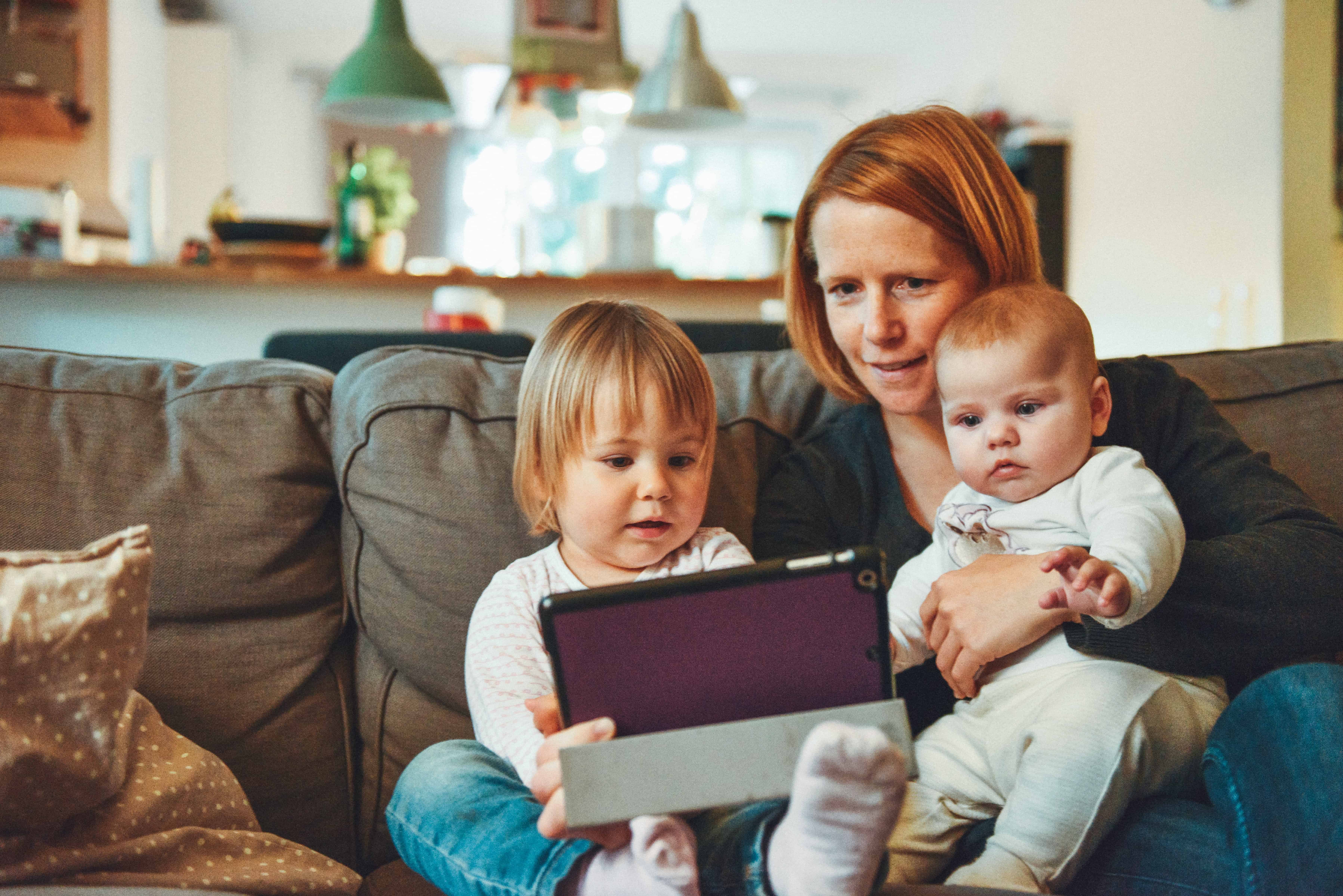
In today’s digital age, children are growing up surrounded by technology, with access to the internet becoming an integral part of their daily lives. While the internet offers countless opportunities for learning, creativity, and connection, it also poses significant risks, especially when children are left to explore it unmonitored. Many parents, whether due to lack of awareness, time constraints, or trust in their children’s judgment, allow their children to go online without supervision. However, this can expose children to dangers such as cyberbullying, inappropriate content, online predators, and privacy breaches. This article explores the risks of unmonitored internet use, why parents may allow it, and practical solutions to ensure children’s online safety.

The Prevalence of Unmonitored Internet Use Among Children

unmonitored

The internet has become a ubiquitous part of modern childhood. According to recent studies, a significant percentage of children as young as six years old have access to smartphones, tablets, or computers. While many parents set rules and monitor their children’s online activities, others allow their children to browse the internet without supervision. This can happen for various reasons:

  1. Lack of Awareness: Some parents may not fully understand the risks associated with unmonitored internet use.
  2. Time Constraints: Busy schedules may leave parents with little time to monitor their children’s online activities.
  3. Trust in Children: Parents may believe their children are responsible enough to navigate the internet safely.
  4. Technological Gaps: Some parents may feel less tech-savvy than their children, making it difficult to monitor or control their online behaviour.

While these reasons are understandable, unmonitored internet use can have serious consequences for children’s safety and well-being.

Risks of Unmonitored Internet Use

Allowing children to go online without supervision exposes them to a range of risks. Below, we explore the most common dangers and their potential impact:

1. Exposure to Inappropriate Content

The internet is filled with content that is not suitable for children, including violence, pornography, and hate speech. Without supervision, children may accidentally or intentionally access such material, which can have a lasting impact on their emotional and psychological development.

2. Cyberbullying

Cyberbullying is a pervasive issue that can occur on social media, messaging apps, or gaming platforms. Unmonitored internet use increases the likelihood of children becoming victims or perpetrators of cyberbullying, leading to anxiety, depression, and even self-harm.

3. Online Predators

Predators often use the anonymity of the internet to target children. They may pose as peers or friendly adults to gain a child’s trust, leading to grooming, exploitation, or even physical harm.

4. Privacy Breaches

Children may unknowingly share personal information, such as their name, address, or school, with strangers online. This can lead to identity theft, stalking, or other forms of abuse.

5. Addiction and Screen Time Issues

Unmonitored internet use can lead to excessive screen time, which has been linked to sleep disturbances, poor academic performance, and behavioural issues. Children may also develop an unhealthy dependence on the internet for entertainment or social interaction.

6. Scams and Fraud

Children may fall victim to online scams, such as fake competitions or phishing attempts, which can result in financial loss or the compromise of sensitive information.

Why Parents Allow Unmonitored Internet Use

unmonitored

Understanding why parents allow their children to go online unmonitored is crucial for addressing the issue effectively. Below are some common reasons:

1. Lack of Awareness

Some parents may not be fully aware of the risks associated with unmonitored internet use. They may assume that their children are only using the internet for harmless activities, such as homework or games.

2. Busy Schedules

Modern parents often juggle multiple responsibilities, leaving little time to monitor their children’s online activities. They may rely on their children to use the internet responsibly without supervision.

3. Trust in Children

Parents may trust their children to make good decisions online, especially if they have had open conversations about internet safety. However, even responsible children can encounter risks they are not equipped to handle.

4. Technological Gaps

Some parents may feel overwhelmed by the rapid pace of technological change and lack the knowledge or skills to monitor their children’s online activities effectively.

5. Peer Pressure

Children may pressure their parents to allow unmonitored internet use, arguing that their friends have more freedom online. Parents may give in to avoid conflict or feelings of guilt.

The Role of Education in Promoting Online Safety

Education is a powerful tool for addressing the risks of unmonitored internet use. By teaching children and parents about online safety, we can create a safer digital environment for everyone. Below, we explore how education can play a role:

1. Teaching Children About Online Risks

Children need to understand the potential dangers of the internet and how to protect themselves. Schools and parents can work together to provide age-appropriate education on topics such as cyberbullying, privacy, and online predators.

2. Empowering Parents

Parents need access to resources and training to help them monitor and guide their children’s online activities. Workshops, online guides, and community programs can equip parents with the knowledge and tools they need.

3. Promoting Digital Literacy

Digital literacy goes beyond knowing how to use technology; it involves understanding how to navigate the online world safely and responsibly. Schools can incorporate digital literacy into their curriculum to prepare students for the challenges of the digital age.

4. Encouraging Open Communication

Parents should foster an environment where children feel comfortable discussing their online experiences. Open communication can help parents identify potential risks and address them proactively.

Practical Solutions for Parents

unmonitored

While the risks of unmonitored internet use are significant, there are practical steps parents can take to protect their children. Below, we outline some effective strategies:

1. Set Clear Rules and Boundaries

Establish clear rules for internet use, such as time limits, approved websites, and prohibited activities. Make sure your child understands the consequences of breaking these rules.

2. Use Parental Control Tools

Parental control tools can help you monitor and restrict your child’s online activities. These tools allow you to block inappropriate content, set screen time limits, and track your child’s online behaviour.

3. Monitor Online Activity

Regularly check your child’s browsing history, social media accounts, and messaging apps. While it’s important to respect their privacy, monitoring can help you identify potential risks and address them early.

4. Encourage Balanced Screen Time

Promote a healthy balance between online and offline activities. Encourage your child to engage in hobbies, sports, and face-to-face interactions with friends and family.

5. Teach Critical Thinking

Help your child develop critical thinking skills to evaluate the credibility of online information and recognise potential risks. Teach them to question suspicious messages, links, or requests.

6. Lead by Example

Model responsible internet use for your child. Show them how to use technology in a balanced and respectful way, and discuss your own online experiences with them.

The Role of Schools and Communities

Schools and communities also play a vital role in promoting online safety. Below are some steps they can take:

1. Implement Online Safety Programs

Schools can incorporate online safety education into their curriculum, teaching students about the risks of the internet and how to protect themselves.

2. Provide Resources for Parents

Schools and community organisations can offer workshops, guides, and support groups to help parents navigate the challenges of monitoring their children’s online activities.

3. Create Safe Online Spaces

Schools can create safe online environments for students, such as moderated forums or educational platforms, where they can learn and interact without exposure to risks.

4. Collaborate with Parents

Schools should work closely with parents to address online safety issues. Regular communication and collaboration can help create a consistent approach to internet use at home and school.

Governments and policymakers also have a role to play in protecting children online. Below are some measures that can be implemented:

1. Strengthen Online Safety Laws

Governments can enact and enforce laws that protect children from online risks, such as cyberbullying, grooming, and exposure to inappropriate content.

2. Promote Industry Accountability

Technology companies should be held accountable for creating safe online environments for children. This includes implementing robust content moderation, privacy protections, and parental control features.

3. Support Research and Awareness Campaigns

Governments and organisations can fund research on online risks and launch awareness campaigns to educate parents and children about internet safety.

Conclusion

unmonitored

Allowing children to go online unmonitored can expose them to significant risks, from cyberbullying and online predators to privacy breaches and addiction. While parents may have valid reasons for not monitoring their children’s internet use, it’s crucial to recognise the potential dangers and take proactive steps to protect them. By setting clear rules, using parental control tools, and fostering open communication, parents can create a safer online environment for their children. Schools, communities, and policymakers also have a role to play in promoting online safety and supporting parents in this important task. Together, we can ensure that children can enjoy the benefits of the internet while staying safe from its risks.

Frequently Asked Questions

Navigating the challenges of unmonitored internet use can raise questions for parents. Below, we address some of the most frequently asked questions about online safety and how to protect children.

1. What are the risks of unmonitored internet use for children?

Risks include exposure to inappropriate content, cyberbullying, online predators, privacy breaches, addiction, and scams.

2. Why do some parents allow unmonitored internet use?

Reasons include lack of awareness, busy schedules, trust in children, technological gaps, and peer pressure.

3. How can I monitor my child’s online activities?

Use parental control tools, check browsing history, set clear rules, and encourage open communication about their online experiences.

4. What are parental control tools, and how do they work?

Parental control tools allow you to block inappropriate content, set screen time limits, and monitor your child’s online behaviour. Examples include Qustodio, Net Nanny, and Apple Screen Time.

5. How can I teach my child about online safety?

Discuss the risks of the internet, teach critical thinking skills, and encourage them to come to you with any concerns or problems.

6. What role do schools play in online safety?

Schools can provide online safety education, create safe online spaces, and collaborate with parents to address internet risks.

7. Are there laws to protect children online?

Many countries have laws to protect children from online risks, such as cyberbullying and grooming. However, enforcement and awareness vary.

8. How can I balance my child’s privacy with monitoring?

Set clear boundaries and explain why monitoring is necessary. Respect their privacy while ensuring their safety.

9. What should I do if my child encounters online abuse?

Reassure your child, document the abuse, block and report the abuser, and seek professional support if needed.

10. Where can I find resources for online safety?

Organisations such as the NSPCC, Childline, and Internet Matters provide resources and support for parents and children.

By understanding the risks of unmonitored internet use and taking proactive steps to address them, parents can create a safer and more supportive online environment for their children. If you have concerns about your child’s internet use, don’t hesitate to seek help and take action.