

The digital age fosters instant communication across vast distances, but privacy concerns remain. End-to-end encryption emerges as a powerful tool for safeguarding your online conversations. This advanced security measure scrambles the content of your messages, emails, or calls, transforming them into an unreadable format.
Imagine a conversation locked in a secure vault – that’s the essence of end-to-end encryption. The message content is encrypted using unique digital keys, accessible only to the sender and intended recipient. This encryption renders the message unintelligible to anyone else, including communication service providers, hackers, or the platform facilitating the communication.
The decryption key acts as a digital password, unlocking the encrypted message and allowing the recipient to understand its content. Since these keys are not stored on the communication server, they remain inaccessible to any unauthorised third party.
Understanding the importance of end-to-end encryption empowers you to take control of your online privacy. This technology fosters secure communication channels for sensitive information exchange, from personal conversations to business discussions or confidential documents. By utilising end-to-end encryption platforms, you can ensure your communications remain private, fostering trust and security in your digital interactions.
This introduction lays the groundwork for a deeper exploration of end-to-end encryption. We’ll delve into the technical aspects of this technology, compare different encryption methods, and explore the benefits and limitations of end-to-end encryption in various communication platforms. Understanding how it works enables you to make informed decisions about securing your online conversations and safeguarding your digital privacy.
Stick around – it’s simpler than you think!
What is End-to-End Encryption (E2EE)?
End-to-end encryption (E2EE) is a secure communication method that prevents third parties from accessing data while it’s transferred from one end system or device to another. This means the content of the message is only accessible to the sender and recipient.
Definition
End-to-end encryption, often abbreviated as E2EE, is a system that keeps your digital conversations locked away from any prying eyes. Imagine it like a secure vault; once you send messages or files, they’re transformed into coded information.
Only the person with the unique key, in this case, the recipient of your message, can unlock and read its contents. This method ensures that no one else—not hackers, not even the platform’s owners where you send your messages—can intercept and decipher what’s being exchanged.
Encryption is crucial for maintaining data privacy in our increasingly online lives. Whether discussing personal chats or sensitive office documents, E2EE ensures that only the intended parties see these communications.
This is why platforms such as WhatsApp and Facebook Messenger have adopted this technology: to give users peace of mind when sharing information digitally. By encrypting messages at the sender’s device and keeping them inaccessible until they reach their final destination, E2EE is a mighty guardian against unauthorised access to private data.
How it Works
End-to-end encryption (E2EE) works by encrypting data at the sender’s device before it is transmitted and decrypting it only upon reaching the intended recipient’s device. The message or data remains encrypted in transit, ensuring it cannot be deciphered even if intercepted without the proper decryption key. E2EE ensures that only the sender and recipient can access the communicated information, providing high security and privacy assurance.
End-to-end encryption relies on strong cryptographic algorithms to secure communication from beginning to end. For this type of encryption to work effectively, the sender and receiver must have compatible software or applications that support it.
Comparison with Other Encryption Methods
When discussing the security of digital communications, it’s insightful to compare end-to-end encryption with other encryption methods. Below is a brief comparison outlined in an HTML table format:
| Encryption Type | Definition | Data Accessibility | Key Management |
|---|---|---|---|
| End-to-End Encryption (E2EE) | Encrypts data on the sender’s device and decrypts it only on the recipient’s device. | Only the sender and recipient can access the data. | Users control the encryption keys. |
| Transport Layer Security (TLS) | Encrypts the communication channel between two systems. | Intermediate servers can potentially access the data. | Managed by the communicating systems and often transparent to users. |
| Data-at-Rest Encryption | Secures data when stored, not during transmission. | Data is accessible by anyone with system access unless further encrypted. | Keys are managed by the system storing the data. |
| Data-in-Transit Encryption | Protects data as it travels across the network. | Network intermediaries like ISPs can’t access the data. | Typically managed by the sending and receiving infrastructure. |
This table illustrates different encryption strategies and highlights how end-to-end encryption ensures that only the sender and recipient can access the data, placing control squarely in the user’s hands. This method significantly enhances the privacy of digital communications, reflecting its essential role in today’s online interactions.
Advantages of End-to-End Encryption
End-to-end encryption ensures secure communication by preventing unauthorised access to messages, protecting against hacking, and giving users control over their privacy.
Secure Communication
Secure communication is a critical aspect of digital security. End-to-end encryption (E2EE) ensures that data transferred from one point to another remains private and secure. With E2EE, only the sender and intended recipient can access the data, protecting it from unauthorised access and potential hacking attempts. This technology enhances privacy, gives users more control over their data, and safeguards sensitive information such as financial transactions or personal communications.
End-to-end encryption protects digital communications across various platforms like WhatsApp and Facebook Messenger by encrypting messages on the sender’s device. It ensures that only authorised parties can access transferred data, making it an essential tool for securing confidential business information while preventing unwanted leaks or spying on communications.
Protection Against Hacking
End-to-end encryption plays a crucial role in protecting digital modes of communication by encrypting messages at the sender’s device. This protection is essential as it prevents unauthorised access and hacking attempts, ensuring that sensitive information such as financial transactions, personal communications, and confidential data stays secure.
E2EE also safeguards against data tampering, maintaining the integrity of an organisation’s data wherever it’s stored and whoever accesses it. End-to-end encryption enhances privacy and security by providing high protection against hacking for users across different platforms like WhatsApp or Facebook Messenger.
User Control and Privacy
End-to-end encryption (E2EE) ensures user control and privacy and gives individuals the power to safeguard their digital communications. This technology prevents unauthorised access to messages, providing a high level of security that ensures only the sender and intended recipient can access transferred data.
With E2EE, users can be assured that their conversations remain confidential and protected from potential breaches or eavesdropping attempts. This level of control is crucial for ensuring digital privacy in various platforms, such as email and instant messaging, allowing individuals to communicate without fearing their messages being compromised.
Drawbacks of End-to-End Encryption
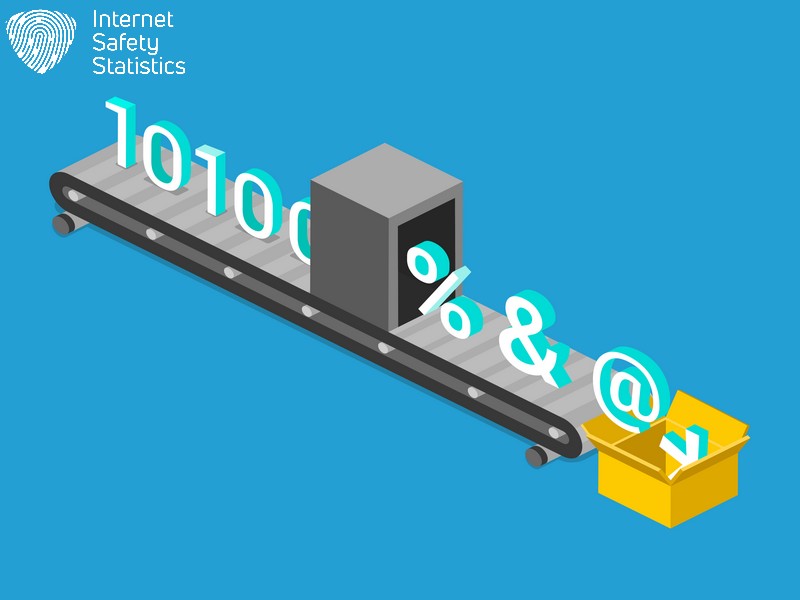
Although it provides secure communication, End-to-End Encryption can make accessing messages difficult and relies on the privacy settings of other devices. Read more to understand the importance of overcoming these drawbacks for better digital communication security.
Difficulty Accessing Messages
End-to-end encryption can make it difficult to access messages, making it challenging to recover lost or forgotten data. This obstacle emphasises the importance of securely storing encryption keys and passphrases, essential for decrypting messages.
Users must remember these access credentials as there is no central authority for password recovery. In such cases, preserving a secure method for managing and backing up these critical pieces of information becomes crucial, ensuring that messages can be accessed when needed.
Users may face difficulty accessing their encrypted messages if they lose their devices or their private keys become compromised. To maintain access, individuals should regularly back up their passwords and encryption keys to prevent potential loss.
Protection Only if the Device Not Lost
While E2EE does a great job securing digital communications, it’s important to note that this protection only applies if the device is not lost. The data becomes vulnerable once the encryption keys are gone with the lost or stolen device. Therefore, users must safeguard their devices and encryption keys to ensure continuous data protection.
In essence, end-to-end encryption provides robust security as long as the devices remain secure and in the control of authorised users. Any loss or theft of these devices can compromise the protection offered by E2EE.
Dependence on Other Device’s Privacy Settings
End-to-end encryption’s effectiveness depends on the privacy settings of the devices used for communication. If one device doesn’t have strong security measures, it can compromise the overall protection provided by E2EE. All parties involved in digital communication must ensure that their devices are equipped with robust privacy settings to benefit fully from the advantages of end-to-end encryption.
This way, users can be confident in their data security and privacy across various platforms, such as messaging apps and email communications.
The strength of end-to-end encryption is only as reliable as the weakest link in the chain – which could be a device with inadequate privacy settings. As a result, maintaining and updating these settings is instrumental in guaranteeing secure digital communication.
Applications for End-to-End Encryption
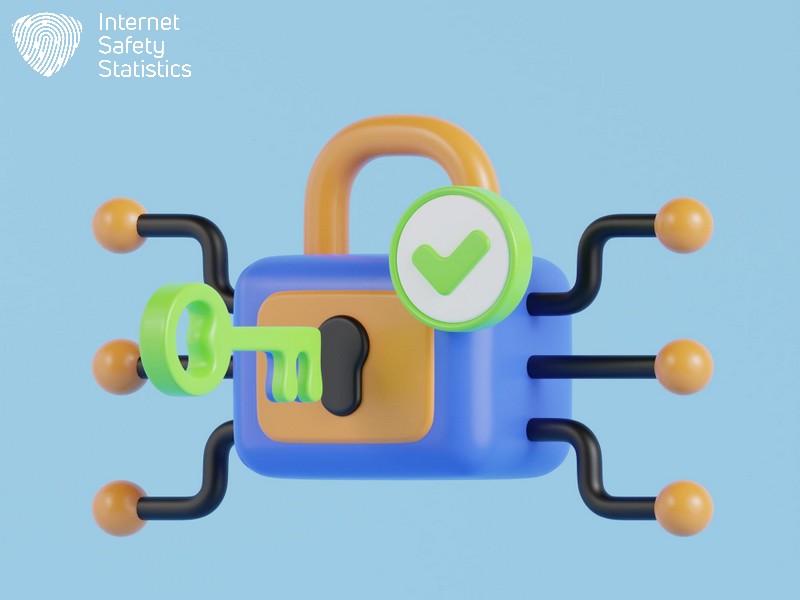
End-to-end encryption is used in various digital communication applications such as email, instant messaging, and software programs to ensure secure and private conversations. This level of security is essential for protecting sensitive information from unauthorised access.
Email Communication
Email communication is a critical aspect of digital messaging. End-to-end encryption (E2EE) secures email content from when it leaves the sender’s device until it reaches the recipient’s inbox. This ensures that only the intended recipients can access and read their emails, preventing unauthorised access and enhancing privacy protection. E2EE is crucial for safeguarding sensitive information shared via emails, such as financial transactions, personal communications, and confidential business data.
With end-to-end encryption, email users have greater control over their data and can confidently communicate, knowing their messages are secure. Ensuring that only authorised individuals can access email content is essential to cybersecurity. By encrypting messages at the sender’s device level, E2EE helps prevent potential threats such as eavesdropping or interception during transmission.
Instant Messaging
Instant messaging, such as WhatsApp and Facebook Messenger, relies on end-to-end encryption to secure private conversations. This technology allows only the sender and recipient to access the messages, ensuring that unauthorised parties cannot intercept or view your communications. This feature is especially crucial for parents communicating with their children, office workers discussing sensitive business matters, and internet users sharing personal information.
End-to-end encryption provides high security for instant messaging applications, safeguarding your data from potential breaches. This type of encryption protects against third-party eavesdropping and ensures the integrity of your digital conversations. As more people turn to instant messaging for personal and professional communication, it’s essential to recognise the significance of end-to-end encryption in keeping these interactions secure and private.
Software and Programs
End-to-end encryption (E2EE) is a vital feature in various software and programmes, offering robust security for digital communications. This technology ensures that messages sent and received via email, instant messaging, and other platforms remain private and secure.
E2EE’s private key cryptography protects sensitive information, such as financial transactions and personal communications, from unauthorised access or tampering. Moreover, end-to-end encryption is crucial in securing data within software applications by protecting against potential breaches or hacking attempts.
It gives users more control over data privacy while communicating through different software tools, enhancing overall security measures.
End-to-end encryption plays a crucial role in securing digital communications. It empowers individuals and organisations to have control over their data, enhances privacy, and protects against unauthorised access. This advanced message encryption is essential for safeguarding sensitive information in today’s digital age. By ensuring that only the sender and intended recipient can access transferred data, end-to-end encryption provides high security for all forms of digital communication.