

So, how to use Location-based Social Networking correctly?
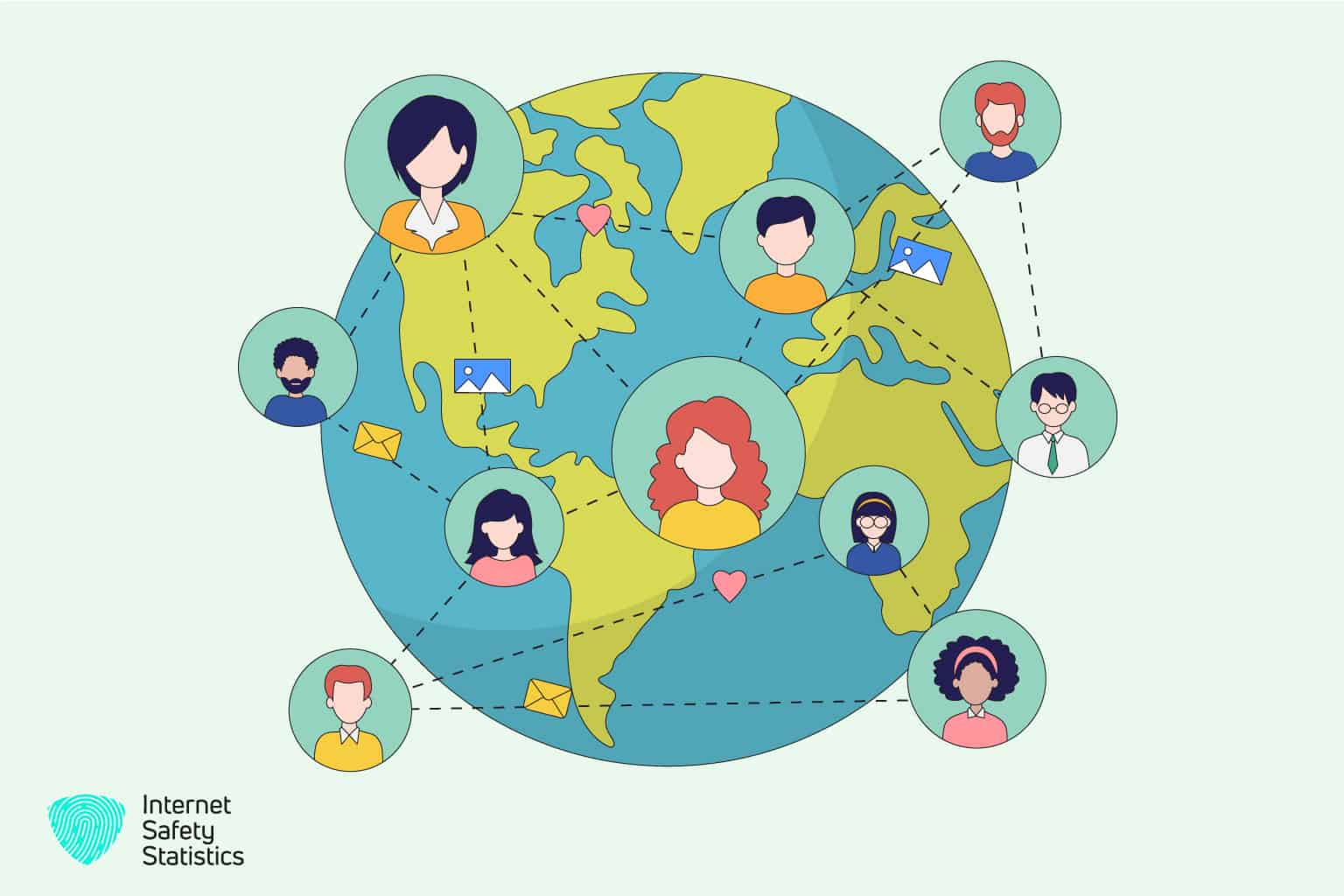
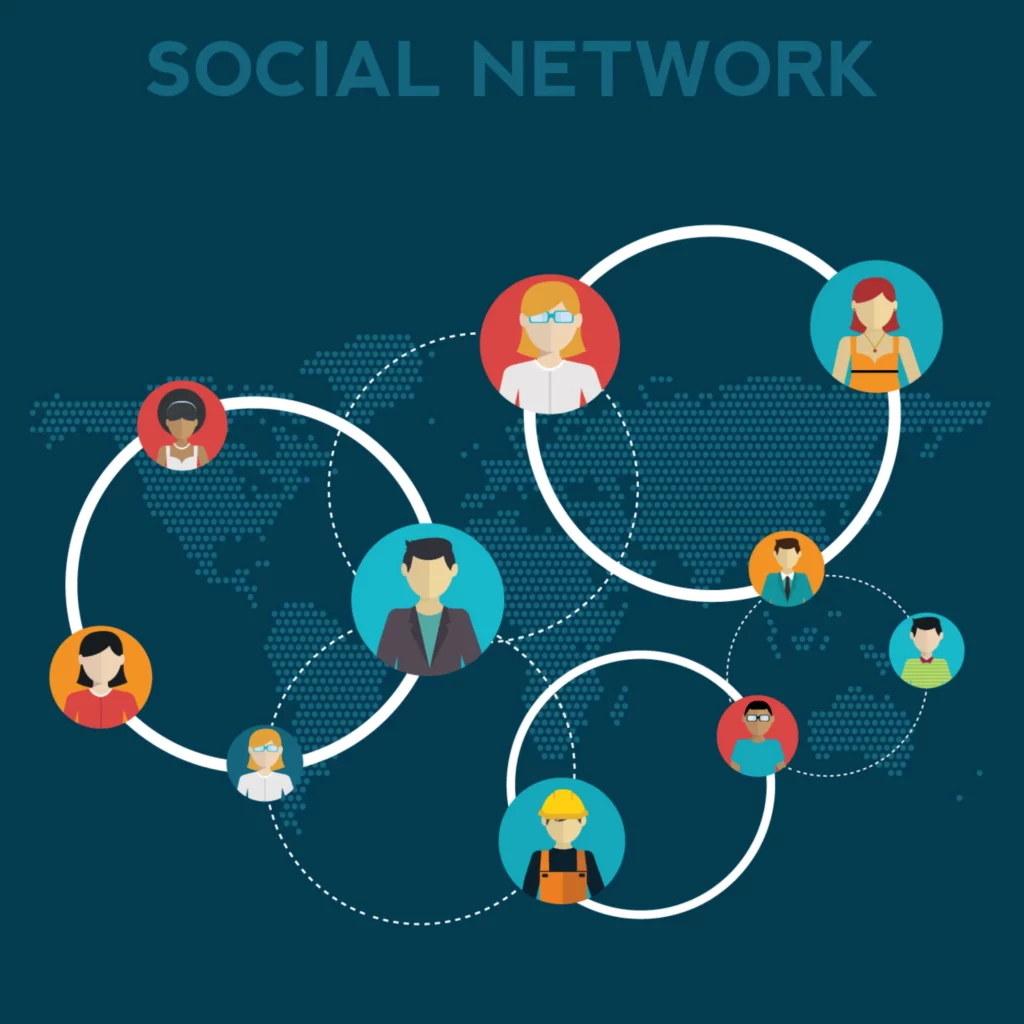
Nowadays social networks are very popular among people regardless of their age, gender or location. It helped them much in sharing their views, opinions and personal activities with friends and relatives around the globe. It also facilitated them to build a network of their own and improve their social relationships with other people. Most social networks are based on the internet and web-based networks provided the user with a simple and fast way to interact with each other.
It allows them to share activities, ideas, interests and events within their network and it gives them a feeling that they are always in touch with their friends. Famous networks such as Facebook, MySpace, Friendster and Foursquare have taken social networking to a new level.
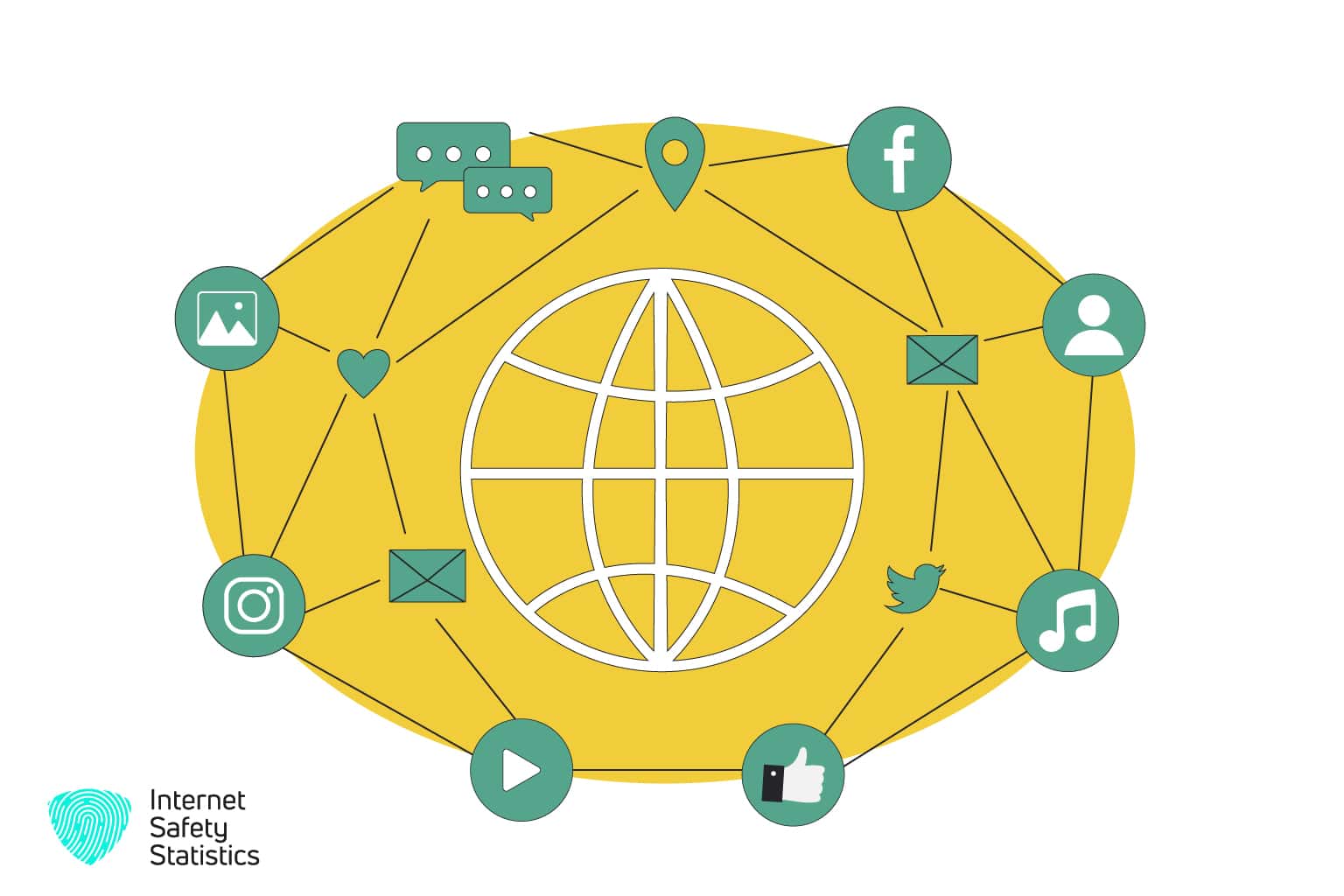
The wide acceptance of social media networks paved a path to the evolution of new and more advanced social media websites and Location based social networking tools are part of a new suit of this new evolution. It gives the user the ability to look up the location of the friends or other users remotely by congregating the location-based networks with online social networks.
These sites demand the user to grant the consent to share their location data with relatives, friends, colleagues, the government, and even strangers but most of the users agree to the terms and conditions without thinking much about the consequences.
The easy access to the internet at home and attractive features of social networks have made teenagers very much addicted to these networks. The introduction of versatile mobile devices like smartphones and tablets helped them to be active in the network anytime and anywhere, even when they are on the move. The situation has changed in such a way that now they can’t live without it.
More and more people are getting confused with what they see and hear about social networking sites. As a matter of fact, we need to admit that these websites have their own bright and dark sides.
Before the evolution of location-based social networking, the user profile was limited with the basic information about personal interests, friends and family but now, it also reveals the exact location of the user. Most teenagers are unaware of the hidden dangers in these networks, and reveal all their details to other members or even strangers. So, it has become the parents’ duty to make them aware of the precautions they should take to stay safe.
Advantages of Location-based Social Networking
The location-based social networks have many advantages. It does not only means adding to your existing social network with your location, but they help you to share the wonderful places or locations you visited with friends. You can also use them to find your delegates when you are on a business trip and for small business people and technicians; it makes the customers more comfortable as knowing the exact location can make them more confident about you and give them a feeling that you are always at their reach.
It can also help to create a new social structure having individuals connected by the interdependency derived from the sharing of locations in the physical world. However, sometimes these benefits are overwhelmed by the immeasurable cost of revealing your location.
Location-based social networks have helped people enrich their urban experience by allowing them to check in at a physical place and share their location with friends online, thereby bridging the gap between online networks and the real world. The availability of a large amount of geographical and social data in these networks helped the experts to conduct a detailed study about human mobility behaviour and helped them to organize a variety of location-based services in different sectors from mobile marketing to disaster management.
There are so many features in this system to help the parents. It includes the feature to monitor the activities of children, employees or friends. It will provide them peace of mind while they are away from home as the features of these networks will help them to monitor their children throughout the day.
The major features of location-based networks
- Most of the location-based media sites such as Foursquare, Gowalla and Loopt use the GPS feature of your mobile device to locate you and broadcast your location with other information to the web
- These services offer the users gifts and other discounts or points as rewards for frequent check-ins on their website. It also facilitates the user to leave comments and tips on the locations where they check into.
- These sites revile vital information about the user’s geographical location and often logging into these sites will enable others to map the users travelling patterns.
The location-based networks are getting very popular and teenagers are mostly victimized by the danger of these networks. The reason behind this is their immature nature and their tendency to do experiments with the things they are not familiar with. The parents should educate them about the hidden risks in these networks and help them understand the aftermath of allowing strangers to know their movements in real time.
Social-networking terminology
A better understanding of the basic terminology of social networking sites will surely help you to convince the teen about the topic. Some of the most commonly used phrases are:
- Post: It is a message that you place in your profile to notify your selected friends about your thoughts or activities
- Tagging: Tagging is a used to label particular followers in a photo and link it to their profile pages
- Wall: It refers to the area on your profile page where your friends can post their comments, pictures and other details
- Blocking: this function in social media sites helps you to ban unwanted persons from viewing your profile. It also facilitates you to prevent some users temporarily or permanently.
- Friends Request: This is a message you receive when someone is interested in being your friend and you can either accept or decline the request
- Hacker: It is a person or group of persons who breaks into some other computer or networks and steals important information to get money or access other personal accounts. Normally hawkers use fake profiles.
Foursquare: It is one of the most famous location-based social networking platforms designed for mobile devices, and it uses check-in at venues and each check-in earns the user some points or badges. It started its operation in 2009 and it has gained much popularity in a few years. It has now 20 million users worldwide and has an average of 3million check-ins per day. It is available in French, Italian, German, Spanish, Japanese, Indonesian, Korean, Portuguese, Turkish, Russian and Thai Languages.
Just like the other online platforms, it also has some pros and cons. The main issues a parent should bother about are:
Security: Regarding security, these networks can pose three types of issues.
Security of self: the facilities in these sites are highly misused by the bullies as they can easily sort out the isolated ones. These networks are used as a means of bullying. If the bullies locate someone alone in an area, they will surely go and get him.
Security of information: If your Childs’s mobile device has the Google latitude or similar applications installed in it and is set on continuous tracking mode, it will be working in the background and continuously updating your child’s location details on the web. This will enable everyone to know the exact movements and can follow him or her around.
Security of others: If your child has an account in the location-based social networks and has too many friends, who share their location information, and if the mobile is lost or stolen, the friends are at risk as the stranger who has the mobile is able to track the movements of all the friends using your device. This scenario can pose a security issue to your child’s friends or relatives.
Privacy: Though these types of applications can greatly enrich our lives, they also raise serious concerns about the privacy of the children as it enables continuous tracking of the Child’s location, opening a chance for the stalker to track the movement of the child. This may lead to improper disclosure or complete access to the child’s routines.
Merits of location-based social networking
Even though, when you go through the use of the location-based services you will come to know that there are some merits also. The app development companies are trying to bring in more sophisticated tools that will help the family members to be connected, without having the issues of privacy.
Some apps will allow the parents to be always connected with their children, while they are on the move. The app will constantly keep the parent updated with the activities of their children. It doesn’t mean that this app is just a tracker, but it can also be used to send as well as receive information from both the parents as well as from the children.
If you are searching for the positive side of location-based social networking, then you can find out easily the places where your child has been or is a regular visitor. This will help the parents to have a better understanding of the activities of the kid and will be able to take preventive measures. In short, the parents can have a close look at the social activities as they will be always notified of the movements of the child.
The LBS can help you a lot while you are travelling in an unfamiliar city. The flexibility of some websites allows you to have an idea of the place where you wish to visit as your opinion about the place or hotel will be shared along with the experience they had there.
It will help you to find friends nearby, as well as help you to know the events that are taking place.
The opinion about the place will be accurate since the people will be sharing their real-time experiences.
Facebook, one of the favourite social networks of all people, are using location-based services as default and they also provide users to turn off this feature, whenever they wish.
Follow the instructions to turn off the service:
- Find the “privacy setting” button from the account option.
- In the “Sharing on the Facebook” section, you will find the “customize settings”. Click on the settings.
- In “Things I share”, click the option box next to “Include me in ‘People Here Now’ after I check in.”
Tagging photos is another way which will expose your location and you can also block your friends from tagging you. Here, are the steps to block them:
- Select “Privacy Settings” from the Account tab.
- Under the “Sharing on Facebook” segment, click on the “Customize settings”
- Click on the “Friends can check me in to Places” option that is available under the “Things others share”.
- Click “Disable” from the list of options.
The world is changing a lightning speed and the children are becoming more exposed to the latest technologies and uses, increasing the heartbeat of the parents. The parents need to take all kinds of safety measures to keep one foot ahead of the dangers that may come when their kids use the internet or LBS. The parents can try the following to ensure the safety of their kids.
- The parents need to talk to the child and try to convince them of the dangers and privacy issues that may arise in the future.
- Let them know that what they share today as private can be made potentially public tomorrow, leading them to danger. Make them understand the fact that what they post as private will be made public and can be used against them.
- The parents can activate their account to receive a notification when an update comes in the account of the child. This will help the parent to monitor the activities of the kid.
- It will be better if the parents take initiative to install anti-virus programs and filters on the devices used by their children.
- Make the children aware that they cannot know who is going to use their private information to exploit them.
- Let them have a look at the modern theft techniques where the buglers are using location information to track your movements and make plans to execute their work. The news and the websites will help them have a better idea of how other people are using their information to harm you or others.
- Motivate them to keep their LBS on the “off” mode as most of the LBS will have the default “on” mode.
The wide popularity of the use of LBS is being recorded and here is a statistics about it:
“In the 2010 Pew Research Pew Research Center’s Internet & American Life Project, surveys showed, that 4% of Americans utilized Location Based Services (LBS). Constellation Research, Inc. estimates these services to grow and generate up to $10.7B in revenue by 2013. Among the early adopter set, LBS is on fire. Among the general population, growth will most likely trend with smartphone adoption, which market research firm IDC estimates a 55% growth from 2009 to 2010 (~270 million units).”
Courtesy: http://www.enterpriseirregulars.com
It is said that the social networks and the app developers are trying their best to stop the privacy concerns as they are trying to make your status and information safe, but the truth is that even though there exist many practices and guidelines from CTIA, most of the LBS providers do not abide by them. This makes the situation more critical and the risk factors are increased exponentially.
People are planning to make the laws strong that the ethical code of contact is maintained and that security at all levels is ensured for the LBS users. It is always better to keep our information with us and not let it go public.
The parents are much worried about the use of the internet and social media sites and there are a lot of things that they can practice to make sure that their child does not fall into the wrong hands. The time has come for the parents to switch to digital parenting and keep a track of the online activities of their kids. Make the kids also feel that their parents are always keeping an eye on them, which will make the kids think twice before sharing their location or private moments.