

Ever felt uneasy about how easily someone could peek at your password? Biometric security, the tech using unique human features to keep us safe, is more important than ever. This blog will unpack what biometrics are and how they’re reshaping our safety measures while facing privacy challenges.
Let’s dive into the world of fingerprints and face scans!
Key Takeaways
- Biometric security uses unique human features like fingerprints and facial recognition to authenticate identities, offering more secure access than traditional methods.
- Privacy concerns with biometrics include the risk of function creep, covert collection of data, and misuse of secondary information which need addressing through stringent regulations.
- Future trends in biometric technology are likely to see advancements such as heartbeat and vein recognition, enhancing security but also heightening privacy considerations.
- The use of biometrics is becoming more commonplace in everyday devices and public sectors, improving convenience but requiring informed consent from users about their data.
- Addressing privacy issues involves implementing guidelines like those from the Biometrics Institute, considering information privacy principles (IPP), and conducting regular privacy impact assessments.
What are Biometrics?
Biometrics are measurable physical and behavioral characteristics that can be used to identify individuals. These include facial recognition, fingerprints, iris scans, voice recognition, and more.
Definition
Biometric technology refers to the methods by which a person’s unique physical or behavioural characteristics are used for identification and access control. This includes things like fingerprints, facial features, iris patterns and even voice qualities.
These identifiers are nearly impossible to duplicate or share, making them more secure than traditional passwords or PINs.
The concept isn’t new; it dates back to the late 1800s when an indexing system for fingerprints was first developed in India. Over time, these personal traits have become digital keys that unlock doors, secure data and protect sensitive information from unauthorised users.
They’re now embedded in everyday devices such as smartphones and laptops, providing fast and reliable security measures for everyone from parents managing family accounts to office workers safeguarding company assets.
Types of Biometric Data (Facial Recognition, Fingerprints, etc.)
After understanding the definition of biometrics, it’s important to explore the various types of biometric data that are commonly used in security systems. Here are the primary types of biometric data and technologies:
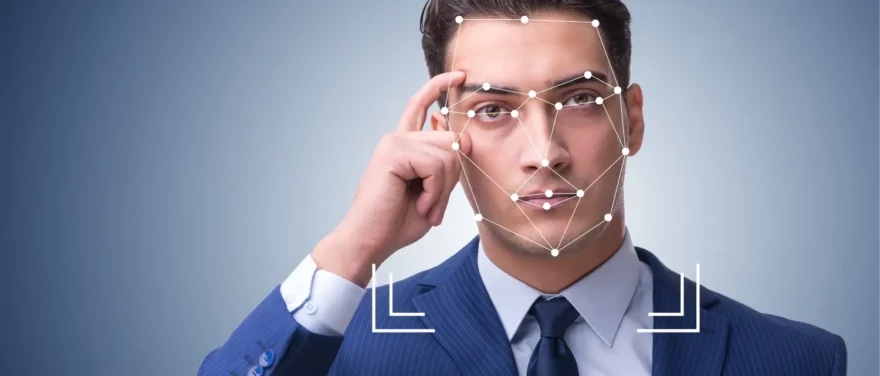
- Facial Recognition Technology: This type of biometric data involves analysing facial features and patterns to verify an individual’s identity. It is commonly used in airports, law enforcement, and smartphone security.
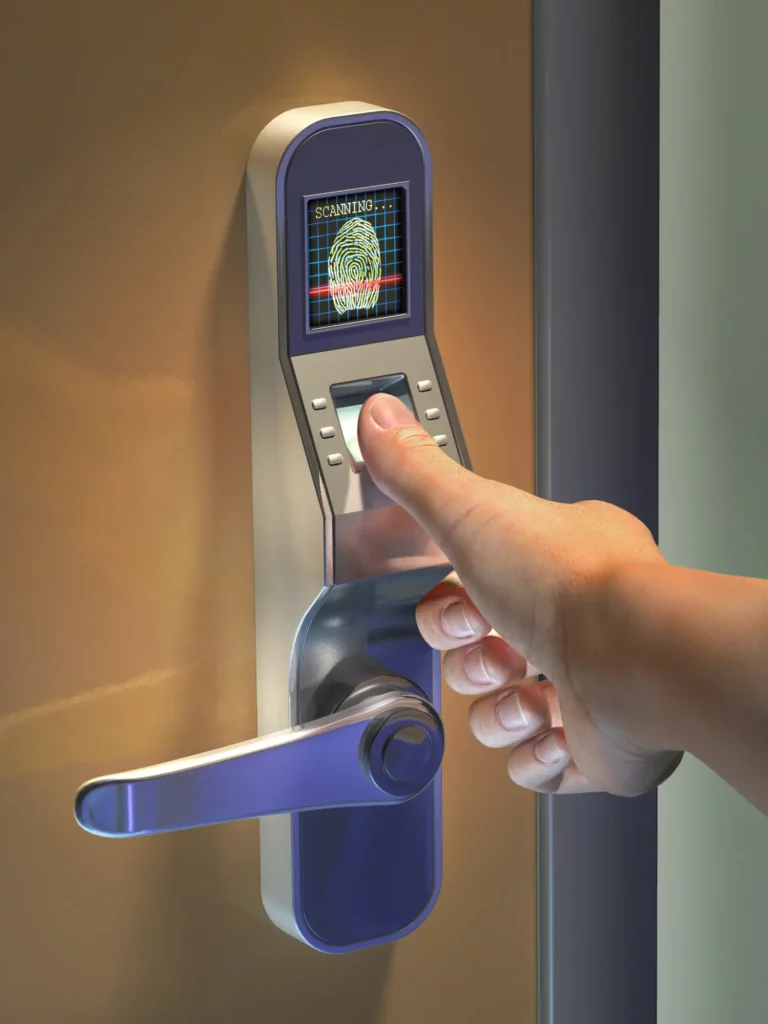
- Fingerprint Scanning: One of the most well-known forms of biometric data, fingerprint scanning utilises unique patterns on an individual’s fingertips to authenticate their identity. It is widely used in mobile devices and secure access control systems.
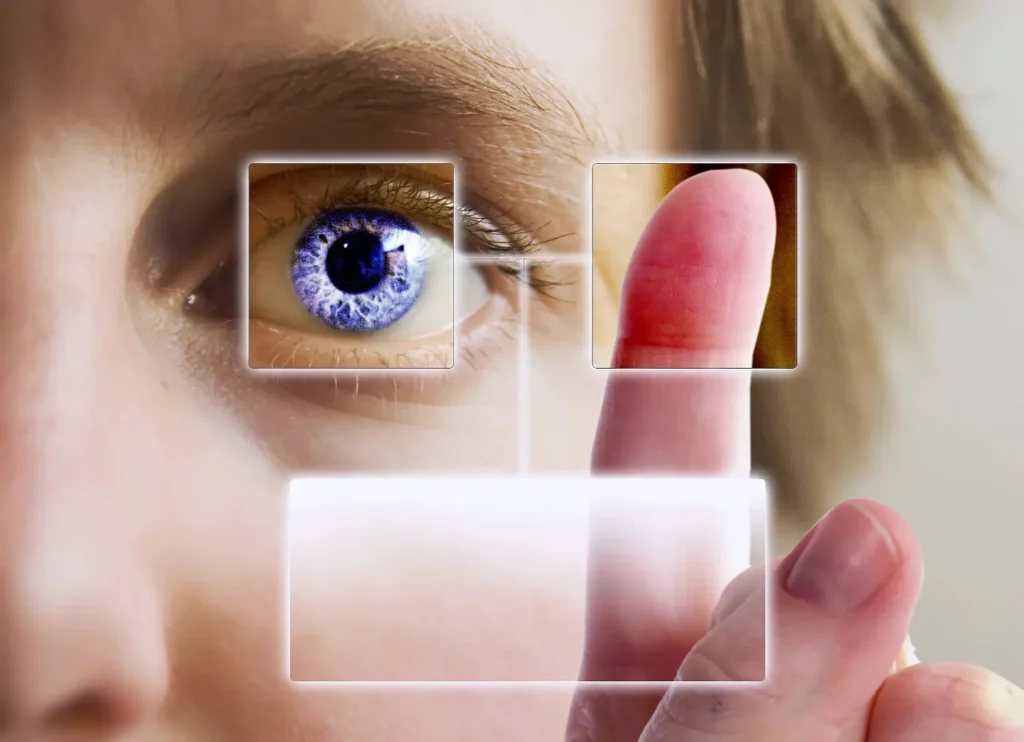
- Iris Recognition: This technology involves capturing an individual’s iris pattern to verify their identity. It is highly accurate and is utilised in high-security environments such as government facilities and banking institutions.
- Voice Biometrics: Voice recognition technology identifies individuals based on their unique vocal characteristics. It is commonly employed for telephone-based authentication and voice-controlled devices.
- Behavioural Biometrics: This type of biometric data analyses an individual’s behaviour patterns such as typing rhythm, gait, or signature dynamics to confirm their identity. It is increasingly used for continuous authentication in digital environments.
How Biometrics are Used in Security
Biometrics are used in security for authentication and identification purposes. This technology helps to verify an individual’s identity, providing secure access to sensitive areas or information.
Authentication
Biometric authentication, using unique physical or behavioural traits like fingerprints and facial recognition, provides a secure way to confirm one’s identity. It helps prevent unauthorised access to sensitive data and ensures that only authorised individuals can access specific information.
With biometric authentication, individuals no longer need to rely solely on traditional passwords or ID cards, reducing the risk of identity theft and fraud. As technology continues to advance, liveness detection is being integrated into biometric systems to ensure that the presented biometric data is from a living person, further enhancing security measures.
Moreover, advancements in biometrics offer quicker and more convenient ways of verifying identities in various settings such as office entry points or personal devices like smartphones.
Identification
Biometric identification involves using unique physical or behavioural traits to verify a person’s identity. These traits can include fingerprints, facial features, voice patterns, or iris scans.
This form of verification is increasingly used in everyday life for tasks such as unlocking smartphones, accessing bank accounts, and entering secure premises.
In addition to traditional password-based systems, biometric identification offers a more secure and convenient method for verifying identity. As technology advances, biometric security measures are becoming more prevalent in various aspects of daily life, from airport security to smartphone access.
This shift towards biometric identification reflects the ongoing evolution of security measures that prioritise accuracy and convenience.
Evolution of Biometrics in the Public Sector
Government and law enforcement agencies have increasingly used biometrics for identification and verification purposes, while biometric technology has also been implemented in travel and border control to enhance security measures.
Government and Law Enforcement Use
Governments and law enforcement agencies are increasingly utilising biometric technology for security purposes. Biometrics, such as facial recognition and fingerprint scanning, have been integrated into systems for identifying suspects or verifying the identity of individuals at border control points.
The use of biometrics in law enforcement has enhanced surveillance capabilities, leading to improved crime prevention and investigation. Moreover, the implementation of biometric identification systems by governments aims to strengthen national security measures while combatting issues like document fraud and identity theft.
Law enforcement agencies leverage biometric data to expedite criminal investigations by matching fingerprints or facial features against existing databases. Furthermore, governments utilise biometric technology to enhance border security through accurate traveller verification processes at immigration checkpoints.
Biometrics in Travel and Border Control
As biometric technology continues to advance and be embraced by governments and law enforcement agencies, its application in travel and border control is becoming increasingly common.
Biometrics play a crucial role in enhancing security measures at airports, seaports, and international borders. From facial recognition to fingerprint scanning, biometric verification ensures accurate identification of travellers, aiding authorities in controlling access to secure areas.
Biometric systems streamline the process of immigration checks and boarding procedures, creating a more efficient and seamless experience for travellers while bolstering security efforts.
Privacy Concerns with Biometric Technology
Biometric technology raises concerns about function creep, covert collection, and the potential misuse of secondary information. These privacy issues need to be addressed as biometric security becomes more prevalent in everyday life.
Function Creep
Function creep occurs when biometric data, initially collected for a specific purpose, is later used for other unrelated purposes without the individual’s consent. This raises concerns about privacy implications and the potential misuse of personal information.
As biometric technology becomes more prevalent in everyday life, there is a growing need to address this issue to ensure that individuals have control over how their biometric data is being used.
Governments and organisations must establish clear guidelines and regulations to prevent function creep and protect individuals from unauthorised use of their biometric information.
Covert Collection
As biometric technology becomes more prevalent, concerns about covert collection of biometric data have come to the forefront. Covert collection involves the unauthorised or undisclosed gathering of biometric information, raising significant privacy and ethical issues.
The potential for surreptitious capturing and storage of individuals’ unique physical characteristics has raised alarms about personal security and informed consent. It’s crucial for parents, office workers, and internet users to be aware that covert collection can happen without their knowledge or consent, highlighting the need for stringent regulations around the use and storage of biometric data.
Developments in areas such as liveness detection in facial recognition systems are aimed at addressing covert collection concerns by ensuring that biometric data is captured from a live individual rather than from stored images or videos.
Secondary Information
Biometric security is a rapidly evolving field, with advancements such as liveness detection and cancellable biometrics addressing some of the concerns. However, privacy and ethical issues have surfaced alongside the deployment of automated biometric technologies.
As the use of biometric data becomes more widespread, concerns about bias and data security are on the rise. Amidst these developments, it is crucial to ensure that privacy protection and identity verification remain at the forefront of discussions around biometric security.
The future prospects of biometric security closely hinge on addressing privacy concerns while ensuring robust data security measures. With expanding use in business and other sectors, ongoing discussions about laws and regulations for storing and using biometrics aim to provide clarity in this dynamic landscape.
Addressing Privacy Concerns
Addressing the privacy concerns surrounding biometric technology is crucial for maintaining trust and transparency. By implementing privacy guidelines, considering information privacy principles, and conducting privacy impact assessments, we can ensure that biometrics are used responsibly and ethically.
Biometrics Institute Privacy Guidelines: Considering the Information Privacy Principles (IPP)
To address privacy concerns related to biometric security, it is crucial to consider the information privacy principles (IPP). These principles provide a framework for safeguarding personal data and ensuring its responsible use. Here are key aspects to consider:
- Purpose limitation: Ensure that biometric data is collected and used only for specific, legitimate purposes, preventing unauthorised or secondary uses.
- Data minimisation: Collect only the necessary biometric data required for the intended purpose, limiting the potential impact of any data breaches or misuse.
- Transparency: Provide clear and accessible information to individuals about the collection, storage, and processing of their biometric information to foster trust and informed consent.
- Security safeguards: Implement robust technical and organisational measures to protect biometric data from unauthorised access, misuse, or breaches.
- Individual participation: Empower individuals to exercise control over their biometric data by enabling them to access, rectify, or delete their information as necessary.
- Accountability: Establish mechanisms for demonstrating compliance with privacy principles and accountability for handling biometric data responsibly.
- Ethical considerations: Recognise ethical implications of biometric technology use and ensure alignment with societal values and expectations regarding privacy and consent.
Implementing Privacy Impact Assessments
- Considering the information privacy principles (IPP) lays the foundation for companies to ensure data protection.
- Organisations can conduct thorough assessments to identify potential privacy risks associated with biometric data collection and storage.
- This process involves evaluating the impact of biometric systems on individuals’ privacy and implementing measures to mitigate any risks identified.
- Privacy impact assessments also serve as a tool for promoting transparency and accountability in handling biometric information.
- Companies can use these assessments to demonstrate compliance with data protection regulations and build trust with consumers.
- Implementing privacy impact assessments requires a proactive approach to addressing potential privacy concerns before they escalate into legal or reputation issues.
Future Trends in Biometric Security
Advancements in biometric technology are expected to include the use of heartbeat and vein recognition, as well as increased integration into everyday devices like smartphones and laptops.
To learn more about how these trends will impact security and privacy, keep reading!
Advancements in Biometric Technology
Biometric technology is advancing rapidly, with new developments enhancing security measures. For instance, liveness detection and cancellable biometrics are addressing concerns about potential vulnerabilities in current systems.
These advancements offer improved accuracy and reliability, making it harder for unauthorised individuals to breach security measures utilising biometric data.
As such, parents, office workers, and internet users can expect more robust and secure authentication methods in the future as these technological advancements continue to evolve. With ongoing research efforts aimed at refining biometric systems’ accuracy using various human characteristics, the future of biometric security holds great promise for enhancing safety and privacy across different sectors.
Increasing Use of Biometrics in Everyday Life
Biometrics are increasingly integrated into everyday life, with many consumers using fingerprint or facial recognition to unlock smartphones and other devices. Businesses and public institutions are also adopting biometric security measures for employee access and customer identification.
As a result, the technology is becoming more familiar to people. This widespread use of biometrics offers improved security in daily activities such as accessing personal devices, entering buildings, or verifying identities at automated checkpoints.
Consumers may appreciate the convenience of biometric authentication but should remain aware of potential privacy concerns and safeguard their personal data accordingly. In light of these considerations, understanding the benefits and drawbacks of biometrics can help individuals confidently navigate this evolving aspect of modern life.
In conclusion, as biometric security continues to evolve rapidly, it is crucial to address the rising privacy concerns and ethical issues. With advancements in liveness detection and cancellable biometrics, there are promising developments that address some of these concerns.
Government discussions around creating laws and regulations for storing and using biometrics indicate a growing awareness of the need for proper governance in this area. The future prospects of biometric security depend on effectively addressing privacy concerns and ensuring data security in everyday use.
FAQs
What is the evolution of biometric security?
The evolution of biometric security involves advances in technology that use personal traits, like fingerprints or facial recognition, to protect data and access.
Are there any new trends in biometric security?
Yes, current trends include using more complex systems like iris scans and voice identification for enhanced security measures.
What privacy concerns come with biometric security?
Privacy worries arise when sensitive personal information collected by biometrics might be exposed during data breaches or used without consent.
How do consumers feel about the use of biometrics for their safety?
Many consumers appreciate the added protection but are also cautious about how their data is managed and shared due to potential privacy issues.