

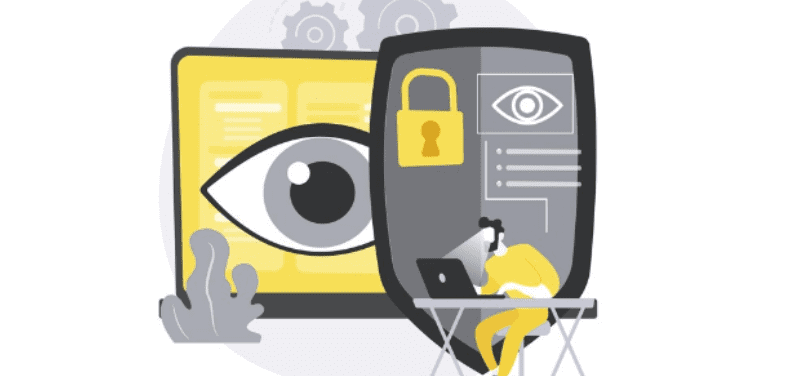
In an age where digital technology permeates nearly every aspect of our lives, the topic of digital surveillance has emerged as a pressing concern. From social media platforms tracking our online behaviour to governments deploying sophisticated surveillance systems, our privacy is constantly under threat. As we navigate this increasingly interconnected world, understanding the potential dangers of digital surveillance is paramount.
That being said, it is not all doom and gloom. Armed with knowledge and proactive measures, individuals can take steps to safeguard their privacy and mitigate the dangers of digital surveillance. In this article, we will delve into the multifaceted landscape of digital surveillance and explore the various ways in which we can minimise exposure to its tactics.
Join us as we navigate the labyrinth of digital surveillance, uncovering its inherent dangers and charting a course toward greater privacy and security in the digital age of today.
What Is Digital Surveillance?
Digital surveillance refers to the monitoring, tracking, and collection of digital data about individuals or groups. It can be conducted by various actors, including governments, corporations, advertisers, hackers, and even malicious individuals or entities. While some forms of surveillance may be conducted for legitimate purposes, including national security or law enforcement, others raise significant concerns about privacy, civil liberties, and individual autonomy.
No matter what the purpose it is conducted for is, however, digital surveillance encompasses a wide range of activities run through the digital technologies we use day in and day out.
For instance, all our online activities, such as browsing history, search queries, and all types of social media interactions, are tracked. Our electronic communications, including emails, instant messages, and phone calls, are monitored. Even where we are at any given moment, be that on a beach in the Bahamas or under the blankets on a gloomy winter day, is also tracked using GPS on our phones.
It is not just that. Our offline conversations are being spied on too. Have you not ever mentioned anything where your phone was nearby and then found an ad featuring that very thing staring back at you once you opened Facebook or Instagram?
No matter where you go now, you are asked to provide some personal information. Facebook asking you to enter your college graduation year or the cashier at your local supermarket demanding your phone number to register you in their loyalty programme both practise some form of digital surveillance.
Add to those the cameras used to monitor public spaces, workplaces, or private property and the biometric data such as fingerprints, iris scans, or facial recognition, all of which are used to identify and track individuals.
Dangers of Digital Surveillance
As we mentioned a few paragraphs ago, digital surveillance serves multifaceted purposes. For example, governments employ surveillance to monitor security threats, investigate crimes, and safeguard citizens, while companies utilise surveillance for targeted advertising, marketing, and productivity purposes. Surveillance technologies also aid in detecting cyber threats, preventing crimes, and ensuring regulatory compliance.
However, concerns regarding the growing dangers of digital surveillance have been raised in the past few years. Such dangers can potentially affect the lives of millions, propelling them to pay close attention to and learn how to avoid them.
So, let’s look into some of those potenial dangers.
1. Rise of Spyware
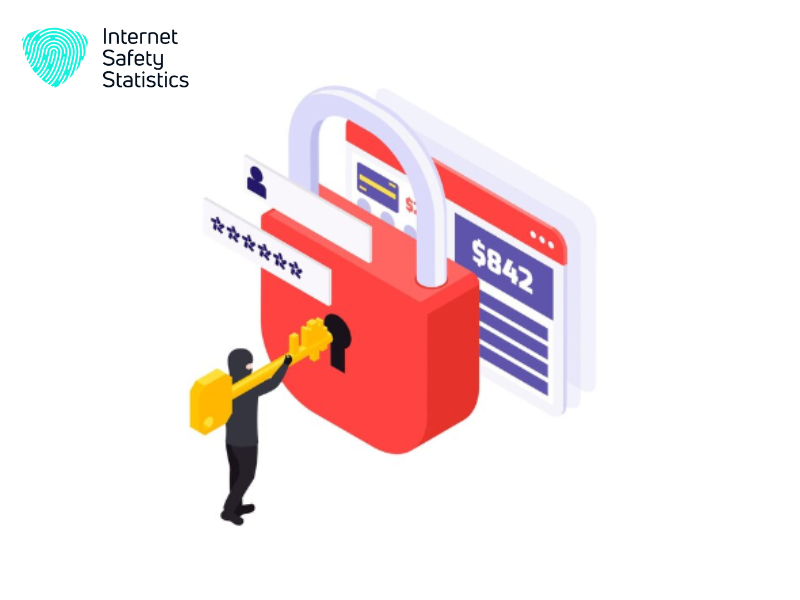
Spyware is software designed to secretly monitor and gather information about a user’s activities on a computer or device without their knowledge or consent. It can track keystrokes, capture passwords, record browsing history, collect personal information, and transmit this data to third parties. It is one of the many techniques of digital surveillance.
The only difference there is between this tool and others used in digital surveillance, which we mentioned in the previous section, is that spyware is typically used for malicious purposes such as identity theft or fraud.
Spyware often infiltrates devices through deceptive methods such as email attachments, links, software downloads, or compromised websites. Once clicked or installed, spyware operates stealthily in the background, making it strenuous for users to detect or remove it manually. Its presence can lead to compromised security, invasion of privacy, and significant harm to individuals and organisations alike.
2. Privacy Infringement
The rise of spyware is just one aspect of the growing threat of digital surveillance. Another concerning development is government-mandated backdoors in technology, which enable authorities to access private communications. Not clear? Let’s break it down.
We know that to guarantee online security and protect privacy, tech companies usually encrypt their users’ data, which makes it unreadable without a decryption key. In many cases, governments want to get access to this private data so they “legally” require tech companies to build mechanisms that allow authorised government access even if the data is encrypted.
In other words, these mechanisms are a way to bypass the regular security measures and access the data directly, exactly acting as hidden backdoors providing entrance to protected data or communications.
Those government-mandated backdoors are a matter of debate. On the one hand, governments cling to their claim that such “lawful” interception of communications or access to encrypted data is enabled in cases where it is deemed necessary for national security, law enforcement, or intelligence gathering.
On the other hand, critics argue that such backdoors weaken overall cybersecurity by creating additional points of vulnerability that are easy to exploit by malicious actors, hackers, or foreign governments. Additionally, they raise questions about the potential for abuse, misuse, or unauthorised access by the government agencies themselves.
3. Effect on Civil Liberties
Civil liberties are basically the fundamental rights and freedoms guaranteed to individuals by law, typically in the context of a democratic society. These liberties protect individuals from government interference and ensure their autonomy, equality, and dignity. Common examples of civil liberties include freedom of religion, speech, and the press, as well as the right to privacy and equal treatment under the law.
Digital surveillance poses significant challenges to civil liberties by eroding personal freedoms. The collection, monitoring, and analysis of personal data without consent violate individuals’ rights and subject them to unwarranted scrutiny, while the fear of surveillance stifles open discourse and political activism.
Surveillance can deter participation in peaceful assembly and limit the ability of marginalised groups to organise and advocate for social change. Moreover, the use of digital surveillance tactics create a chilling effect on journalism, making it challenging for reporters to fulfil their duty of protecting data sources, conducting thorough investigations, and providing accurate and unbiased information.
For example, government surveillance and spyware can compromise journalists’ confidentiality, leading to self-censorship and hindering the free flow of information crucial for a democratic society. The erosion of privacy resulting from digital surveillance also deters journalists from exposing corruption and holding authorities accountable.
With the rise and rapid development of facial recognition technology and mass phishing attacks, journalists face an increased risk of targeted surveillance, undermining their role as watchdogs in society.
4. Discrimination and Social Control

Digital surveillance systems often rely on algorithms and data analysis techniques to identify patterns, predict behaviour, and make decisions about people. Biases in the data or the algorithms themselves can result in unfair discrimination against particular groups. So, what exactly does that mean?
Data bias occurs when the data collection process or the data itself used in surveillance is skewed or unrepresentative of the entire population. Imagine only collecting data from a specific group of people. If you only surveyed cat lovers about their favourite pets, your data would be biassed towards cats. So, data collection methods that do not reach everyone can lead to skewed results.
Sometimes, important information is missing too. For example, if you only track loan repayment history and not income, the data might wrongly label low-income borrowers as risky. The people collecting or labelling data can also unconsciously include their own biases. For instance, if someone recording professions tends to label women’s jobs as “administrative” and men’s as “managerial,” the data would be biassed.
What is even worse than having biassed data is having algorithms perpetuating those biases present in the data used to train them, which potentially leads to discriminatory outcomes.
For example, if a company historically denied loans to certain neighbourhoods, the algorithm using such biassed data to make decisions about whom to give loans to will continue to reject and discriminate against anyone from those neighbourhoods applying for loans without considering any legitimate data that may decide otherwise.
Another example of how digital surveillance perpetuates discrimination and social control is facial recognition technology, which has been shown to exhibit bias against people of colour and women. This can exacerbate existing inequalities by allowing profiling based on race or gender, leading to severe limitations on personal freedoms and hindering societal progression.
Taming the Dangers of Digital Surveillance
While the dangers we just listed are quite serious and can potentially affect the lives of individuals and pretty much reshape communities and the entire world, there is a way to tame them while still respecting individual privacy and civil liberties.
Let’s explore some practices and measures to subdue the perils of digital surveillance.
1. Educating About Privacy Rights
One common issue that has been recorded with many people regarding digital surveillance is indifference. Millions of individuals believe that their personal data is of no importance or value whatsoever and so they do not mind it being shared anywhere or even collected.
Such a fallacy is sure to propel individuals from implementing any measures to protect their data and, therefore, kicks the door wide open for all the digital surveillance dangers mentioned above to creep on and gradually take their toll on society.
The truth is that personal data forms the basis of individuals’ identity. It facilitates their personalised experiences and empowers them to communicate, connect, and engage with others online and offline, fostering social connections and community participation.
That is why control over personal data is increasingly recognised as a fundamental right. Individuals must have the power to access, rectify, or erase their data, ensuring privacy and control over how their information is used. This is something everyone accessing the World Wide Web from whatever device, a smart watch or a washing machine, should inherently understand.
In other words, education about privacy rights is indispensable to contain the dangers of digital surveillance.
This can happen by providing individuals with information about applicable laws, regulations, and best practices related to data protection and surveillance. This may include explaining the principles of data protection laws (e.g., GDPR) and outlining individuals’ rights under these laws.
Raising awareness about privacy rights is also crucial as it draws attention to privacy-related issues, risks, and challenges in society. This may include discussing common privacy threats, such as data breaches, identity theft, online tracking, and data oversharing, as well as their implications for individuals’ privacy and security.
2. Advocating for Legal Regulations
Understanding privacy rights is crucial, but it is not enough. Advocating for legal regulations is essential to ensure that our personal information is safeguarded from the threats of digital surveillance.
Legal regulations can establish clear boundaries and consequences for those who misuse or exploit personal data. By supporting and pushing for these regulations, we can help create a safer online environment where privacy rights are respected and protected. Legal regulations also provide a framework for accountability, ensuring that both government agencies and private entities uphold ethical standards when handling personal information.
3. Awareness of Surveillance Tactics
Both understanding privacy rights and advocating for legal regulations set the tone for protecting personal data. Individuals must then learn about and recognise surveillance tactics to understand the significance and impact of the protection measures they will implement afterwards. This is a pure “know your enemy” quest so that data safeguarding is guaranteed efficient.
Raising awareness of surveillance tactics involves educating individuals about various methods and technologies used to monitor, collect, and analyse digital information for various purposes, including law enforcement, intelligence gathering, marketing, and social control. So, they must watch out for signs of spyware attacks, phishing attempts, facial recognition technology and pretty much all the activities we mentioned in the first section of this article.
Strategies for raising awareness include developing educational materials, hosting workshops and training sessions, organising community events and discussions, launching awareness campaigns on social media, collaborating with advocacy groups, integrating privacy education into school curricula, and engaging with media outlets to inform the public about emerging surveillance technologies and privacy-related developments.
By empowering individuals with knowledge about surveillance tactics and their implications for privacy, security, and civil liberties, we can then move forward with measures and practices to safeguard data.
4. Promoting Encryption Technologies
The first and foremost practise to protect the confidentiality, integrity, and privacy of individuals’ digital data from unauthorised access is emphasising the use of encryption and secure communication technologies. This way, information is encoded in a way that only authorised parties can access and understand it.
Key components of encryption and secure communication technologies include:
- End-to-End Encryption: This technique ensures that data is encrypted on the sender’s device and can only be decrypted by the intended recipient, preventing interception or eavesdropping by unauthorised parties, including service providers or malicious actors.
- Data-at-Rest Encryption: Encryption of stored data ensures that information stored on devices or servers is protected from unauthorised access, theft, or tampering, even if the physical device is lost or stolen.
- Secure Protocols: Communication protocols such as Transport Layer Security (TLS) or Secure Socket Layer (SSL) provide secure communication channels over the Internet, encrypting data transmitted between devices to prevent interception or tampering.
- Public Key Infrastructure (PKI): PKI systems use asymmetric encryption techniques to authenticate users and encrypt communication channels, ensuring the identity of parties involved in digital transactions and protecting against impersonation or man-in-the-middle attacks.
- Virtual Private Networks (VPNs): VPNs create secure, encrypted tunnels over public networks, allowing users to transmit data securely and anonymously, protecting against surveillance, censorship, and unauthorised access to sensitive information.
- Secure Messaging Apps: Messaging apps such as Signal, WhatsApp, or Telegram use end-to-end encryption to protect the privacy of user communications, making sure that only the sender and recipient can access the content of messages.
5. Protecting Personal Data
Besides encryption, another way to mitigate the dangers of digital surveillance and make it more difficult for unauthorised parties to access or misuse individuals’ information is by applying strong privacy practices and measures, such as the following:
- Regularly updating computers’ operating systems and security software to guard against vulnerabilities exploited by hackers.
- Creating super strong, unique passwords for each online account to prevent unauthorised access.
- Enabling two-factor authentication whenever possible so as to provide an extra layer of security to personal accounts.
- Staying highly cautious when sharing personal and sensitive information online, especially on social media platforms, unsecured networks or public Wi-Fi, to avoid unauthorised interception of data.
- Using reputable virtual private network (VPN) services when connecting to public Wi-Fi networks to safeguard personal data from potential eavesdropping.
- Regularly backing up important files, maybe to an external hard drive or trusted cloud storage service, to ensure that they are not lost in the event of a security breach.
- Reading privacy policies as well as terms of service agreements for online services to understand how personal data will be used.
- Regularly updating privacy settings on social media websites and all other online services to control who can access personal information.
6. Targeted Surveillance with Judicial Oversight
Last but not least, we have targeted surveillance with judicial oversight. Yet, this approach is different from all others mentioned above, for it is not taken by individuals but rather the entities that conduct surveillance, such as governments and tech companies. So, what exactly does that mean?
Targeted surveillance refers to a surveillance approach that focuses on specific individuals or groups suspected of criminal activity and identified through credible evidence or intelligence, rather than mass surveillance of the entire population.
Judicial oversight ensures that targeted surveillance measures are necessary, proportionate, and conducted in accordance with legal standards and constitutional protections. Such strict supervision must be authorised by a judicial body, such as a court or independent oversight committee, following a rigorous review process.
This way, targeted surveillance with judicial oversight can establish a balance between protecting national security and public safety while safeguarding individual privacy rights, civil liberties, and democratic principles, preventing abuse of surveillance powers and upholding the rule of law in democratic societies.
Conclusion
The pervasive nature of digital surveillance presents profound challnges to individual privacy, civil liberties, and democratic values. From the collection and analysis of personal data to the deployment of advanced surveillance technologies, the risks of abuse, discrimination, and social control loom large in our increasingly interconnected world.
As we navigate the complexities of a digital age, it is imperative to remain vigilant, informed, and engaged in the ongoing discourse surrounding surveillance tactics and their implications. By advocating for transparency, accountability, and robust privacy protections, we can strive to safeguard our fundamental rights and freedoms in the face of evolving threats posed by digital surveillance.
Only through collective awareness, advocacy, and action can we ensure that the promise of technology is balanced with respect for human dignity, autonomy, and privacy in the digital era.