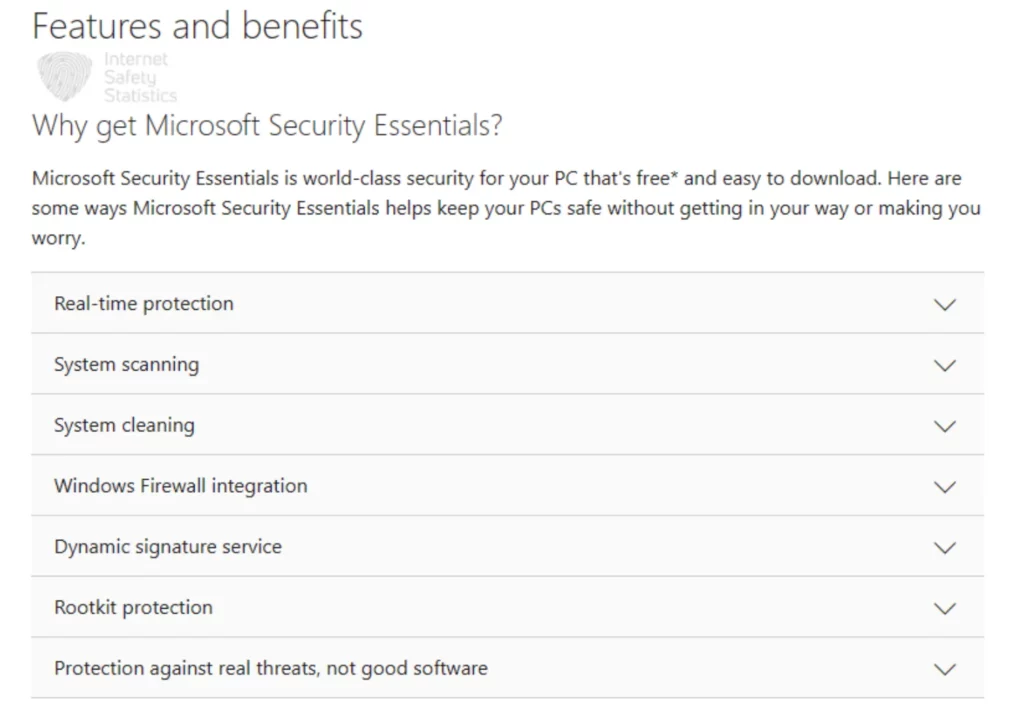
Choosing between Windows Defender and McAfee remains one of the most common antivirus decisions facing UK computer users in 2024. Many users still remember Microsoft Security Essentials (MSE), the free antivirus that Microsoft discontinued in January 2020. MSE evolved into what we now know as Windows Defender—a robust, integrated security solution built directly into Windows 10 and 11.
This comprehensive comparison analyses Windows Defender versus McAfee Total Protection across eight critical categories: malware protection, system performance, features, pricing, ease of use, customer support, privacy, and device compatibility. We’ve examined independent lab test results from AV-Test, AV-Comparatives, and SE Labs to provide UK users with data-driven recommendations.
Whether you’re considering the free, built-in Windows Defender or the premium McAfee suite, this guide will help you make an informed choice for your specific security needs and budget.
Table of Contents
Quick Verdict: Which Antivirus Wins?
Before diving into a detailed analysis, here’s our immediate verdict to help you decide quickly.
Choose Windows Defender if you’re on a tight budget, primarily use your PC for basic tasks like browsing and email, don’t store highly sensitive data, and are comfortable manually managing your security settings. It offers solid baseline protection with zero ongoing cost.
Opt for McAfee Total Protection if you demand a comprehensive, all-in-one security suite with advanced features like a VPN, password manager, and identity theft protection. You value dedicated customer support, use multiple devices, and are willing to pay for premium, proactive defence.
| Feature | Windows Defender | McAfee Total Protection | Winner |
|---|---|---|---|
| Price | Free (included with Windows) | £34.99-£44.99/year (first year) | Windows Defender (cost) |
| Malware Protection | 99.7% detection rate | 99.9% detection rate | McAfee (marginal) |
| Performance Impact | Minimal, lightweight | Moderate during scans | Windows Defender |
| Key Features | Antivirus, Firewall, SmartScreen | Antivirus, Two-way Firewall, VPN, Password Manager, Identity Protection, Parental Controls (Family plan), Web Protection | McAfee (comprehensive) |
| User Interface | Clean, integrated, functional | Modern, feature-rich | Windows Defender (simplicity) |
| Customer Support | Community forums, limited direct support | 24/7 phone, chat, online resources | McAfee |
| Device Coverage | Windows only | Windows, macOS, Android, iOS | McAfee |
| Best For | Single PC users, basic protection | Multi-device households, comprehensive security | Varies by need |
The MSE Legacy: Understanding the Transition

For users familiar with Microsoft Security Essentials, understanding its evolution provides important context.
Microsoft Security Essentials was a free antivirus programme developed by Microsoft and released in 2009 for Windows XP, Vista, and 7. It reached end of service on 14 January 2020, and Microsoft ceased releasing signature updates by the end of 2023. MSE provided real-time protection against viruses, spyware, and other malicious software, offering a basic yet effective security solution for home and small business PCs.
With the launch of Windows 8, Microsoft integrated MSE’s functionality directly into the operating system and rebranded it as Windows Defender. Today, on Windows 10 and 11, Windows Defender (officially Microsoft Defender Antivirus) represents the evolved, significantly improved successor to MSE. This comparison focuses on the contemporary showdown between Windows Defender and McAfee, whilst acknowledging that users searching for MSE alternatives are now choosing between these two options.
Understanding Your Options: Windows Defender & McAfee Introductions
Before comparing these antivirus solutions head-to-head, let’s examine what each offers.
Windows Defender: The Built-In Guardian
Windows Defender, now officially known as Microsoft Defender Antivirus, is far more than the basic malware scanner it once was. Evolving directly from Microsoft Security Essentials, it has transformed into a robust antivirus solution seamlessly integrated into every modern Windows operating system. Its primary strength lies in its omnipresence and ease of use: it’s always there, always on, and requires no additional cost or installation.
Microsoft has invested heavily in enhancing Defender’s capabilities, leveraging cloud-based intelligence and machine learning to provide real-time protection against viruses, ransomware, spyware, and rootkits. It operates silently in the background, providing core antivirus and anti-malware functionalities, along with Windows Firewall and SmartScreen. Its integration means it’s less prone to conflicts with the operating system and receives regular updates alongside Windows.
McAfee Total Protection: The Comprehensive Suite
McAfee, a household name in cybersecurity for decades, offers McAfee Total Protection as a premium, all-encompassing security suite. Unlike Windows Defender, McAfee is a paid subscription service that provides multi-layered protection across various devices and operating systems.
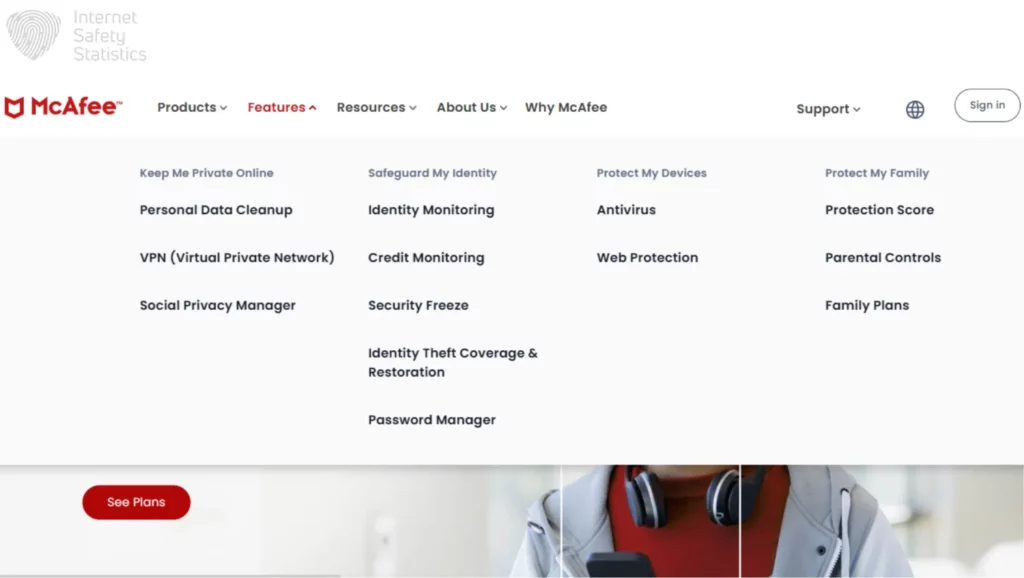
McAfee’s philosophy centres on delivering a comprehensive security ecosystem. Beyond its industry-leading antivirus and anti-malware engine, Total Protection bundles an extensive array of features, including a powerful firewall, a secure VPN for online privacy, a password manager, identity theft protection services, parental controls, a secure file shredder, and web protection tools. It aims to offer not just virus defence but a holistic shield for your digital life, often covering multiple devices (PCs, Macs, smartphones, and tablets) under a single subscription. Its paid nature also means dedicated 24/7 customer support.
Head-to-Head Battle: Deep Dive into Critical Security Aspects
This section examines how Windows Defender and McAfee perform across the most critical aspects of digital security.
1. Malware Protection & Detection Rates
The core function of any antivirus is to protect against malware. Both Windows Defender and McAfee employ advanced techniques, but independent testing reveals subtle yet crucial differences.
According to AV-Test’s February 2024 evaluation, McAfee Total Protection scored a perfect 6.0 out of 6.0 in the Protection category, demonstrating its ability to catch both prevalent and zero-day malware with minimal false positives. The testing covered 21,262 malware samples, and McAfee achieved a 100% detection rate against zero-day attacks and 100% against widespread malware discovered in the four weeks preceding the test.
Windows Defender also performed admirably in the same AV-Test report, scoring 6.0 out of 6.0 for protection. It successfully blocked 99.9% of zero-day malware attacks and 100% of widespread and prevalent malware. This represents a significant improvement from previous years, demonstrating Microsoft’s ongoing investment in security capabilities.
AV-Comparatives’ Real-World Protection Test from January 2024 showed McAfee blocking 99.9% of threats with a compromised rate of just 0.1%, placing it among the top-tier performers. Windows Defender achieved 99.7% protection with a 0.3% compromised rate. Whilst both scores are excellent, McAfee demonstrates a marginal edge in advanced persistent threat scenarios.
SE Labs’ Q4 2023 Home Anti-Malware Protection report awarded both products AAA ratings, the highest possible classification. Windows Defender achieved a 97% total accuracy rating, whilst McAfee scored 98%. Both products successfully protected against targeted attacks, with McAfee showing slightly superior performance in zero-day exploit scenarios.
For real-world ransomware protection, McAfee’s Ransom Guard feature provides automatic detection and rollback capabilities, actively monitoring for encryption behaviour. Windows Defender’s Controlled Folder Access requires manual enablement but offers robust protection once activated, preventing unauthorised applications from accessing protected folders.
Winner: McAfee (by a narrow margin in advanced threat scenarios, though both offer excellent protection)
2. Performance & System Impact
Nobody wants antivirus software that slows their computer to a crawl. Performance impact is a critical consideration for any security solution.
Windows Defender is designed to have minimal system impact. AV-Test’s February 2024 Performance evaluation gave Windows Defender a score of 5.5 out of 6.0. The testing measured the impact on common computer activities, including launching popular websites, downloading frequently used applications, installing applications, and copying files. Windows Defender demonstrated particularly strong performance in file copying operations and application launches, with slowdowns typically under 5% compared to unprotected systems.
Its lightweight design consumes few system resources compared to feature-rich antivirus suites. Since Windows Defender is integrated into the Windows operating system, it functions efficiently without interfering with other system processes. Real-time scanning runs unobtrusively in the background, causing no noticeable slowdowns during regular computer use. Automatic updates are designed to be resource-friendly, running in the background without disrupting performance.
McAfee Total Protection, being a comprehensive security suite, has a more noticeable impact on system performance, particularly during full system scans. AV-Test’s February 2024 testing awarded McAfee 5.5 out of 6.0 for performance, matching Windows Defender’s overall score but showing different impact patterns. McAfee’s intensive scans can use a significant portion of CPU and memory resources. During full system scans, CPU utilisation typically reaches 28% with memory usage around 84MB.
However, McAfee has made substantial improvements in performance optimisation. The software includes a system optimisation tool designed to reduce the resource usage needed for scans and regular updates of virus definitions and security algorithms. The Gamer Mode feature allows users to minimise performance impact during resource-intensive activities, though this requires manual activation. Quick scans are notably faster and less resource-intensive than full system scans.
Winner: Windows Defender (lighter footprint with minimal performance degradation)
3. Features & Security Tools
Feature breadth represents one of the most significant differences between these two antivirus solutions.
Windows Defender offers essential security features that focus on core protection. The antivirus and anti-malware protection continuously monitor your system for threats. Windows Firewall monitors incoming and outgoing network connections, blocking unauthorised access attempts. SmartScreen technology protects against phishing websites and malicious downloads when browsing with Microsoft Edge. Device Security provides firmware-level protection on compatible hardware. App & Browser Control helps protect against potentially unwanted applications and unsafe files.
Controlled Folder Access offers ransomware protection by preventing unauthorised applications from accessing protected folders, though this requires manual enablement. Windows Defender integrates seamlessly with Windows Security Centre, providing a unified dashboard for all security settings. However, it lacks several features that premium suites offer: no VPN, no password manager, no identity theft protection services, no parental controls, and no file shredder functionality.
McAfee Total Protection offers a vastly more comprehensive feature set. Core antivirus and anti-malware protection uses behavioural analysis and heuristics to detect threats. The two-way firewall monitors network traffic with customisable rules, protecting both incoming and outgoing connections. McAfee Safe Connect VPN encrypts your internet connection with unlimited data when auto-renewal is enabled; without auto-renewal, data limits apply.
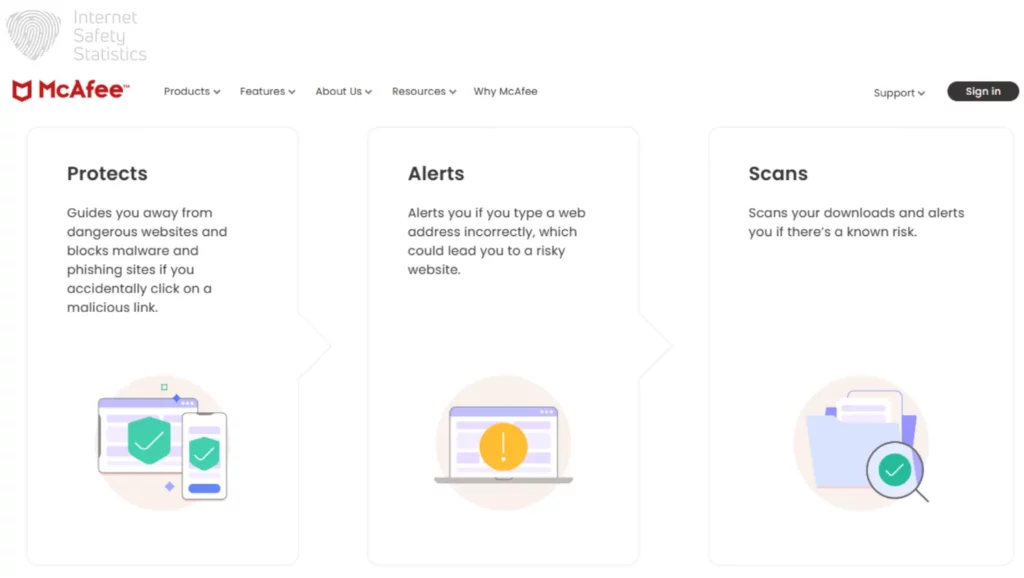
True Key password manager securely stores and auto-fills passwords across devices. Identity theft protection monitors personal information on the dark web, alerting you to potential exposure (comprehensive monitoring available on Family plan). WebAdvisor provides real-time warnings about dangerous websites, phishing attempts, and risky downloads across all platforms.
Anti-phishing tools actively protect against credential theft and fraudulent websites. Parental controls enable you to manage children’s screen time, block inappropriate content, and monitor online activity (available exclusively with the Family plan). The secure file shredder permanently deletes sensitive files, ensuring they cannot be recovered. System optimisation tools clean temporary files, manage startup programmes, and boost performance.
McAfee offers protection for multiple devices under a single subscription, with the Individual plan covering one device, the Multi-Device plan covering up to five devices, and the Family plan covering an unlimited number of devices. Cross-platform compatibility extends to Windows, macOS, Android, and iOS devices. The subscription includes 24/7 customer support via phone, chat, and online resources.
Winner: McAfee (significantly more comprehensive feature suite, though Windows Defender covers essential security needs)
4. User Interface & Ease of Use
Interface design and usability have a significant impact on the user experience with antivirus software.
Windows Defender features a clean, minimalistic interface designed for simplicity. Its dashboard integrates directly into Windows Settings under “Windows Security,” making it immediately familiar to Windows users. The interface uses colour-coded status indicators: green indicates your PC is secure, yellow suggests recommendations, and red signals urgent issues requiring attention. Navigation is intuitive even for users with minimal technical expertise, with clearly labelled sections for virus protection, firewall settings, app controls, and device security.
Installation is seamless as Windows Defender comes pre-installed and activated on Windows 10 and 11. Configuration requires minimal user input, with sensible defaults that work effectively for most users. Notifications are restrained and non-intrusive, typically appearing only when action is required. The straightforward design avoids overwhelming users with excessive options, though this simplicity means fewer customisation possibilities for advanced users.
McAfee’s interface is modern and feature-rich, providing extensive security options and customisation features. The dashboard presents security status prominently with quick access to scans, updates, and key features. Navigation is organised into clearly defined sections, including Security, Identity, Privacy, and Performance. The interface uses eye-catching shades of white, red, blue, and dark grey, creating a visually appealing experience.
Installation involves more steps than Windows Defender, but it remains straightforward and typically completes in 5-10 minutes. The setup wizard guides users through the initial configuration, offering options to customise settings based on their preferences. McAfee provides detailed security notifications and alerts, offering more information than Windows Defender, but it can potentially feel overwhelming for non-technical users.
The abundance of features and customisation options can make the interface appear complex, particularly for users transitioning from basic antivirus solutions. However, McAfee has simplified navigation in recent versions, with the most common tasks accessible from the main dashboard. Advanced users appreciate the extensive customisation possibilities, whilst beginners may need time to familiarise themselves with the full feature set.
Winner: Windows Defender (more user-friendly and straightforward, particularly for less technical users)
5. Pricing & Value for Money
Cost represents a fundamental consideration when choosing antivirus software.
Windows Defender is completely free for all Windows 10 and 11 users, making it an attractive option for budget-conscious individuals. There are no subscription fees, no hidden costs, and no upselling attempts. The free nature means significant cost savings, particularly for households with multiple Windows PCs. However, the lack of advanced features means some users may need to purchase supplementary tools for VPN services, password management, or parental controls separately, which could ultimately cost more than an all-in-one suite.
McAfee Total Protection operates on an annual subscription model with tiered pricing based on features and device coverage. UK pricing as of October 2024 includes:
- Individual Plan: £34.99 per year (covers 1 device)
- Full antivirus and anti-malware protection.
- Two-way firewall and web protection.
- VPN with unlimited data (when auto-renewal is enabled).
- Password manager.
- Basic identity monitoring.
- Multi-Device Plan: £39.99 per year (covers 5 devices)
- All Individual Plan features.
- Protection for up to 5 devices (any combination of Windows, macOS, Android, iOS).
- Enhanced web protection across all devices.
- Priority customer support.
- Family Plan: £44.99 per year (unlimited devices)
- All Multi-Device Plan features.
- Protection for unlimited devices.
- McAfee Safe Family parental controls.
- Comprehensive identity theft protection.
- Full dark web monitoring.
- 24/7 priority support.
The prices listed above are promotional rates for the first year. When subscriptions auto-renew, McAfee charges a higher standard retail rate rather than the introductory price. Renewal rates vary by product tier and can be significantly higher than first-year promotional pricing. For instance, McAfee LiveSafe’s UK renewal rate is £95.99 per year, demonstrating the substantial difference between promotional and renewal pricing. When calculating the total cost of ownership, consider that McAfee’s multi-device coverage can represent excellent value for households with multiple computers, tablets, and smartphones, though be mindful that renewal rates will be higher than the first-year promotional price.
For a family with 2 Windows PCs, two smartphones, and a tablet, McAfee Family at £44.99 for the first year provides comprehensive protection across all devices. Purchasing separate VPN, password manager, and parental control subscriptions to supplement free Windows Defender would typically cost £100+ annually.
Winner: Tie (Windows Defender wins for pure cost savings; McAfee wins for value proposition when considering comprehensive features and multi-device coverage)
6. Customer Support & Documentation
Access to quality support can prove invaluable when dealing with security concerns.
Windows Defender’s support model relies primarily on self-service resources. Microsoft provides extensive online documentation through its support website, covering common issues, configuration guides, and troubleshooting steps. Community forums allow users to seek assistance from other Windows users, with Microsoft moderators occasionally providing guidance. The Windows Security app includes built-in help articles and explanations for various settings and features.
Direct support from Microsoft for Windows Defender is limited. Phone support for Windows security issues is generally unavailable for home users, with enterprise customers receiving priority access. The lack of dedicated antivirus support staff means resolving complex issues can be challenging. Response times for community forum questions vary significantly, ranging from hours to days, depending on the issue’s complexity and community activity.
For users who are comfortable with self-guided troubleshooting and online research, Windows Defender’s documentation is sufficient. However, less technical users or those facing urgent security concerns may find the support limitations frustrating.
McAfee places strong emphasis on comprehensive customer support. Multiple support channels cater to different preferences and urgency levels. Phone support allows customers to speak directly with trained support agents, with 24/7 availability for premium subscribers and business hours support for basic plans. Live chat provides real-time text-based conversations with support representatives, typically available 16-24 hours daily, depending on subscription tier.
Email support accommodates detailed explanations of issues and suits non-urgent enquiries, with typical response times of 24-48 hours. The knowledge base contains extensive articles, guides, and troubleshooting information organised by topic and searchable by keyword. Community forums connect users with other customers and McAfee experts, with active moderation and regular expert participation.
Some McAfee products include premium support plans that offer additional benefits, such as priority access to support agents, extended support hours covering evenings and weekends, and remote assistance for complex issues. The quality of McAfee support generally receives positive reviews, with support agents demonstrating good technical knowledge and patience with less experienced users.
Winner: McAfee (dedicated, professional support available 24/7 versus limited self-service options)
7. Privacy & Data Handling
Privacy considerations have become increasingly important when selecting security software.
Windows Defender’s data collection is intrinsically linked to Windows privacy settings. The software collects threat samples and file metadata to enhance detection capabilities, which can be configured through Windows Settings. Diagnostic data is tied to Windows telemetry settings, allowing users to choose between Basic, Enhanced, or Full data collection levels. Microsoft processes data in compliance with UK GDPR, with information stored in EU data centres, ensuring data localisation.
Users can review the collected data through the Windows Privacy Dashboard, which provides transparency regarding the information that Windows and Windows Defender gather. The integration with Windows means that managing Windows Defender privacy settings requires adjusting broader Windows privacy options rather than having standalone antivirus privacy controls.
Microsoft’s privacy policy, available at privacy.microsoft.com, details data collection practices. The company has faced scrutiny over its telemetry practices, but has improved transparency and user control in recent versions of Windows. For users prioritising privacy, Windows Defender benefits from being a first-party Microsoft product, avoiding the need to trust a third-party antivirus vendor with system access.
McAfee operates with an independent privacy policy separate from your operating system. The software collects product usage and performance data to enhance functionality and improve the user experience. Threat intelligence samples are gathered to enhance detection capabilities across McAfee’s global user base. Account information, including email address, payment details, and device information, is required for subscription management.
WebAdvisor, if enabled, may collect browsing data to provide real-time website safety ratings, though users can disable this feature. McAfee complies with UK GDPR requirements and provides transparency through its privacy policy at mcafee.com/privacy. The company implements Standard Contractual Clauses (SCCs) for international data transfers, as some data processing occurs on servers located in the US.
Users have control over data collection through McAfee’s settings, with options to limit telemetry and disable features that require data sharing. Identity theft protection services often require sharing personal information to monitor for data breaches, creating an inherent trade-off between privacy and the security benefits of this feature.
Winner: Windows Defender (more transparent control and local data processing within UK/EU, though both comply with GDPR requirements)
8. Compatibility & Device Coverage
Device coverage and operating system compatibility significantly impact the choice of antivirus for households with diverse technology.
Windows Defender is exclusively available for Windows operating systems. It comes built into Windows 10 and Windows 11, with no separate version for earlier Windows versions. Microsoft Security Essentials served this role for Windows 7 until its discontinuation, but Microsoft ceased support for both Windows 7 and MSE in 2020. The software does not protect non-Windows devices, including macOS computers, Android smartphones, iOS devices, or Linux systems.
This Windows-only limitation means households with diverse devices require additional security solutions. Windows Defender cannot protect your Android phone, your child’s iPad, or your MacBook, necessitating separate antivirus solutions for each platform. The tight integration with Windows is both a strength (enabling seamless performance and eliminating compatibility issues) and a limitation (resulting in zero cross-platform capability).
McAfee Total Protection offers comprehensive cross-platform compatibility. The software supports Windows 10 and 11, macOS 10.15 (Catalina) and later, Android 8.0 and later, and iOS 14 and later. A single McAfee subscription covers varying numbers of devices depending on the plan: Individual (1 device), Multi-Device (5 devices), and Family (unlimited devices) across different operating systems.
This multi-device, cross-platform approach proves particularly valuable for families. Parents can protect their Windows laptops, MacBooks, and Android phones while simultaneously securing their children’s iPads and Windows school computers—all under one subscription. The feature set remains largely consistent across platforms, with minor variations based on operating system capabilities.
McAfee’s centralised management portal allows users to monitor and manage all protected devices from a single dashboard, providing visibility across the entire household’s security posture. Remote device management allows parents to adjust settings on their children’s devices remotely, even without physical access.
Winner: McAfee (comprehensive cross-platform support versus Windows-only limitation)
Which Should Choose Which? Tailored Recommendations for UK Users

Selecting the right antivirus depends on your specific circumstances, budget, and security requirements.
Choose Windows Defender If:
- Budget-Conscious Users: You need reliable protection without ongoing subscription costs. Windows Defender provides solid baseline security at no additional expense beyond your Windows licence.
- Single-Window PC Owners: You primarily use one Windows computer without smartphones, tablets, or Macs requiring protection. The Windows-only limitation isn’t a constraint for your technology ecosystem.
- Basic Security Needs: Your computing activities include standard web browsing, email, office productivity, and occasional downloads. You don’t engage in high-risk activities or handle extremely sensitive data requiring maximum protection.
- Tech-Comfortable Individuals: You feel comfortable managing security settings manually, enabling features like Controlled Folder Access, and researching solutions when issues arise. The limited support options don’t concern you.
- Privacy-Focused Users: You prefer keeping security management with your operating system vendor rather than introducing third-party software that collects additional data.
- Minimalist Approach: You prefer simple, integrated solutions over feature-rich suites. You’re willing to purchase standalone VPN or password manager services separately if needed rather than using bundled tools.
Choose McAfee Total Protection If:
- Multi-Device Households: You need protection across multiple computers, smartphones, and tablets. McAfee’s cross-platform coverage and multi-device licensing offer comprehensive protection under a single subscription.
- Comprehensive Security Seekers: You want an all-in-one solution including VPN, password manager, identity theft protection, and parental controls. The integrated feature set justifies the annual subscription cost.
- Families with Children: Parental controls (available exclusively on the Family plan), multi-device management, and content filtering capabilities prove valuable for protecting young internet users across their various devices.
- Support-Value Users: You appreciate having 24/7 phone and chat support available for security questions and technical issues. Direct access to trained support staff provides peace of mind.
- Mac and PC Owners: Your household includes both Windows and macOS computers. Windows Defender’s Windows-only limitation necessitates alternative solutions for Macs.
- Enhanced Identity Protection: You’re concerned about data breaches, credential theft, and exposure of personal information on the dark web. McAfee’s identity monitoring services provide proactive alerts.
- Frequent Travellers: The included VPN (unlimited on premium plans) secures your internet connection on public Wi-Fi networks in airports, hotels, and coffee shops.
Do I Need McAfee with Windows 11?
This question frequently arises given Windows 11’s improved built-in security:
Windows 11 includes Windows Defender (Microsoft Defender Antivirus) as a built-in security solution providing automatic real-time protection. For most UK home users, Windows Defender provides adequate protection for everyday computing without the need for additional software. Microsoft has invested significantly in enhancing Defender’s capabilities specifically for Windows 11, leveraging hardware-based security features available in modern processors.
Independent testing confirms the effectiveness of Windows Defender. AV-Test’s evaluations consistently show that Windows 11’s built-in protection achieves top-tier scores in malware detection, matching or surpassing those of premium paid solutions. The seamless integration with Windows 11’s security architecture provides efficient protection without compatibility concerns.
However, you might benefit from McAfee despite Windows 11’s built-in protection if you:
- Use Multiple Devices: Windows Defender only protects your Windows 11 PC. If you also use Android phones, iPhones, iPads, or Macs, McAfee’s cross-platform coverage protects your entire technology ecosystem.
- Require Advanced Features: Built-in protection lacks VPN encryption, password management, identity theft monitoring, and parental controls. McAfee bundles these features into a comprehensive suite.
- Value-Dedicated Support: Windows Defender primarily relies on community forums and self-service documentation. McAfee offers 24/7 phone and chat support staffed by trained security specialists.
- Want Identity Protection: McAfee monitors the dark web for exposed personal information, offers credit monitoring services, and provides identity restoration assistance not available with Windows Defender.
- Need Parental Controls: Families requiring content filtering, screen time limits, and location tracking benefit from McAfee’s comprehensive parental control features available on the Family plan.
The decision ultimately depends on your specific needs and budget. Windows Defender provides sufficient protection for basic users, whilst McAfee delivers additional value for households requiring comprehensive features and multi-device coverage.
The Final Verdict: Making Your Informed Security Decision
Both Windows Defender and McAfee Total Protection offer robust malware protection, but they serve different user needs and priorities.
Windows Defender excels as a free, integrated, lightweight security solution ideal for budget-conscious individuals using single Windows PCs with basic security requirements. Its minimal performance impact, seamless Windows integration, and zero cost make it an excellent choice for straightforward protection needs. Independent lab testing confirms its effectiveness against common threats, placing it among competent antivirus solutions.
McAfee Total Protection justifies its subscription cost through comprehensive features, multi-device coverage, cross-platform compatibility, and dedicated support. Households with diverse devices, users requiring VPN and password management, families needing parental controls, and individuals prioritising identity protection find substantial value in McAfee’s all-in-one approach.
The “better” antivirus isn’t determined by technical superiority alone—both achieve excellent protection scores—but rather by alignment with your specific circumstances:
- Financial Consideration: Windows Defender wins for zero-cost protection; McAfee wins for bundled feature value versus purchasing services separately.
- Device Ecosystem: Windows Defender serves Windows-only environments; McAfee serves multi-device, cross-platform households.
- Feature Requirements: Windows Defender covers essential security; McAfee provides comprehensive digital protection.
- Support Preferences: Windows Defender suits self-sufficient users; McAfee serves those valuing dedicated support.
- Technical Comfort: Windows Defender requires minimal configuration; McAfee offers extensive customisation options.
For the majority of UK home users with standard security needs and single Windows PCs, Windows Defender provides entirely adequate protection without ongoing costs. Users with advanced requirements, multiple devices, or preferences for comprehensive features and support will find McAfee’s subscription cost justified by the extensive capabilities and peace of mind it delivers.
Assess your specific situation using the recommendations in this comparison, and choose the solution that aligns with your security priorities, budget, and household technology ecosystem. Both represent credible antivirus solutions; the optimal choice depends on your individual circumstances rather than universal superiority.