
Ransomware remains one of the most significant cyber threats facing UK individuals and businesses in 2025. The National Cyber Security Centre continues to report substantial numbers of ransomware incidents across all sectors, with small businesses and individuals particularly vulnerable to these evolving attacks. Choosing effective ransomware protection isn’t just about preventing encryption—it’s about defending your photos, documents, financial records, and business operations against an evolving criminal industry that shows no signs of slowing.

This comprehensive guide examines Ransomfree and Malwarebytes, two significant names in ransomware protection. Malwarebytes currently leads the market with multi-layered defence capabilities, whilst Ransomfree pioneered behavioural detection before its discontinuation in December 2018. Whether you’re researching historical context or need immediate protection advice for UK-based systems, you’ll discover which solution best meets your needs, understand the evolution of ransomware defence technology, and learn practical strategies for comprehensive protection.

This article covers the technical capabilities of both Ransomfree and Malwarebytes, UK-specific pricing and compliance considerations, and actionable guidance for individuals and businesses seeking robust ransomware defence in 2025.

Quick Answer: Ransomfree and Malwarebytes—Which Is Best for Ransomware Protection?

Ransomfree and Malwarebytes, Quick Answer

When comparing Ransomfree and Malwarebytes for 2025, Malwarebytes is the clear choice for ransomware protection. Ransomfree was officially discontinued in December 2018 by Cybereason and is no longer available for download or use. Attempting to use archived versions presents significant security risks, as the software hasn’t received updates since 2018 and contains unpatched vulnerabilities.

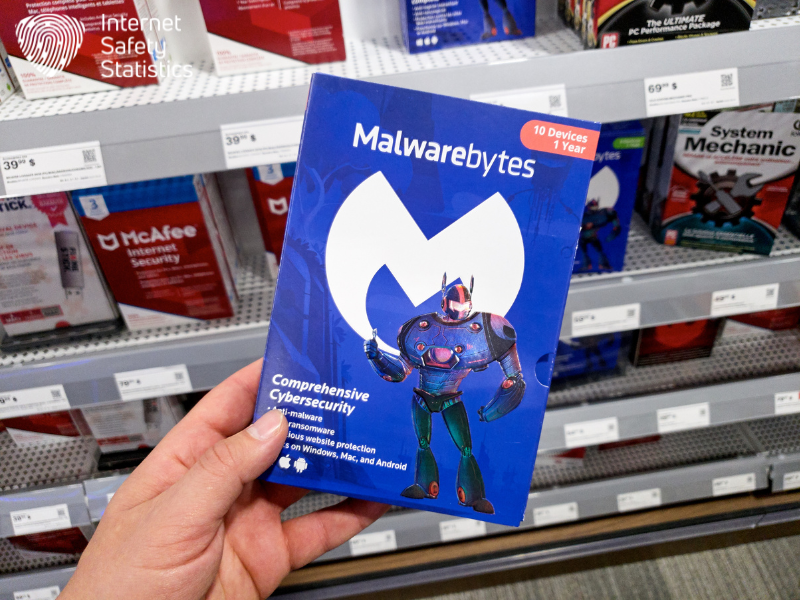
Malwarebytes currently offers comprehensive ransomware protection for UK users, with both free and premium versions available. Pricing varies by region, promotions, and resellers, so users should check Malwarebytes’ official UK website or authorised resellers for current rates. In AV-Comparatives’ Real-World Protection Test (February–May 2025), Malwarebytes achieved a 99.5% protection rate, successfully blocking 421 out of 423 threats tested.

Both Ransomfree and Malwarebytes built their reputations on behavioural detection methodology, but they operated in different eras with different capabilities. Ransomfree’s historical significance lies in pioneering behavioural detection as a consumer product, whilst Malwarebytes has evolved to incorporate machine learning, multi-layered protection, and advanced remediation features that weren’t available during Ransomfree’s operational period.

For individuals seeking free protection, Malwarebytes Free Edition offers manual scanning capabilities, while the Premium version provides comprehensive real-time defence. UK businesses requiring endpoint protection can contact Malwarebytes for Business or authorised resellers for current pricing and deployment options, as business pricing is typically customised based on organisation size and requirements.

Understanding Ransomware Protection in 2025

The ransomware threat landscape has evolved significantly since 2015, necessitating protection solutions that simultaneously address multiple attack vectors. Modern ransomware protection extends beyond simple file encryption prevention to encompass exploit blocking, web filtering, and recovery capabilities.

What Makes Ransomware Protection “Best”?

Effective ransomware protection in 2025 requires multiple defensive layers working in concert. The detection rate represents the most critical metric, measuring the percentage of ransomware variants that a tool successfully identifies and blocks. Independent testing laboratories such as AV-TEST and AV-Comparatives provide standardised evaluations, with top-tier solutions achieving detection rates above 99.5%.

Behavioural analysis capability distinguishes modern protection from legacy signature-based approaches. Rather than matching known malware signatures, behavioural detection monitors system activities for ransomware-indicative patterns: rapid file encryption, shadow copy deletion, registry modifications, and suspicious network communications. This methodology enables protection against zero-day ransomware variants that no security vendor has previously encountered.

System performance impact matters significantly for everyday usability. Protection software that consumes excessive CPU resources, slows file operations, or interferes with legitimate applications creates friction that leads users to disable security features. Leading solutions maintain detection effectiveness whilst using less than 5% of system resources during active protection.

Rollback and recovery features provide critical last-resort protection. When ransomware evades initial defences and begins encrypting files, rollback technology can reverse the encryption damage by restoring affected files to their pre-attack state. This capability transforms a potentially catastrophic incident into a recoverable inconvenience.

Behavioural Detection vs Signature-Based Protection

Traditional signature-based antivirus relies on databases of known malware signatures—unique patterns that identify specific threats. When scanning encounters a file matching a database signature, the antivirus blocks or quarantines it. This approach works well for established threats but fails against new ransomware variants, which cybercriminals release on a daily basis. The lag between ransomware deployment and signature database updates creates a vulnerability window.

Behavioural detection monitors how programmes interact with the system, looking for suspicious activities regardless of file signatures. When software attempts to encrypt multiple files rapidly, modify boot sectors, delete backup files, or establish suspicious network connections, behavioural analysis flags these activities as potentially malicious. This proactive approach catches ransomware before encryption completes, even when the specific variant has never been documented.

Modern ransomware protection combines both methodologies. Signature-based scanning provides efficient detection of known threats with minimal false positives, whilst behavioural analysis catches emerging variants and zero-day attacks. Machine learning enhances this combination by identifying subtle patterns that distinguish legitimate encryption (such as when backup software compresses files) from malicious encryption.

Key Features to Look For

Real-time protection continuously monitors system activity, intercepting threats before they can execute. This contrasts with manual scanning, which only detects threats during scheduled or user-initiated scans. Real-time protection is essential for ransomware defence, as manual scanning cannot prevent damage from ransomware that executes between scan cycles.

Exploit protection blocks vulnerability exploitation attempts—a primary ransomware delivery method. Cybercriminals often exploit software vulnerabilities (such as browsers, plugins, and document readers) to install ransomware without requiring user interaction. Exploit protection prevents these attacks by monitoring for exploit-indicative behaviours and blocking processes that attempt to leverage known vulnerabilities.

Web protection filters malicious websites and prevents access to known ransomware distribution sites. Many ransomware infections begin with users clicking on compromised advertisements or visiting infected websites. Web filtering intercepts these connections before any malicious content downloads.

Ransomware-specific rollback technology differentiates premium protection from basic antivirus. When ransomware begins encrypting files, rollback features maintain shadow copies or backup states that enable rapid restoration. This transforms a potentially business-ending event into a minor disruption with minimal data loss.

Ransomfree: The Innovative Tool That Shaped the Industry

Ransomfree emerged during the mid-2010s ransomware epidemic as a pioneering solution focused exclusively on combating encryption-based attacks. Developed and offered by Cybereason as a free consumer product, Ransomfree introduced behavioural detection to consumer markets when most antivirus solutions still relied primarily on signature databases.

What Was Ransomfree? Genesis and Innovation

Cybereason released Ransomfree as a free, lightweight application designed solely to detect and block ransomware attacks. The tool’s philosophy is centred on behavioural analysis rather than signature matching. Instead of maintaining databases of known ransomware variants, Ransomfree monitored system processes for encryption-indicative behaviours: rapid sequential file modifications, shadow copy deletions, registry changes associated with persistence mechanisms, and suspicious network communications.

Ransomfree’s detection engine analysed file system activity in real-time, looking for patterns consistent with mass encryption. When processes exhibited ransomware-characteristic behaviours—particularly attempts to encrypt multiple files across different directories simultaneously—Ransomfree immediately terminated the suspicious process, quarantined affected files, and attempted to reverse any modifications made before detection.

The tool’s lightweight architecture consumes minimal system resources, making Ransomfree particularly appealing for older systems or resource-constrained environments where traditional comprehensive security suites often create performance issues. Ransomfree received attention during the WannaCry and NotPetya global ransomware outbreaks in 2017, with users reporting successful blocking of infection attempts.

Why Ransomfree Is No Longer Available

Cybereason officially discontinued Ransomfree in December 2018, as documented in their end-of-life notice. The decision reflected Cybereason’s strategic focus on enterprise cybersecurity solutions rather than consumer products. Following discontinuation, Cybereason removed official download sources and archived support documentation.

The strategic decision reflected Cybereason’s exclusive focus on enterprise cybersecurity solutions rather than consumer markets. Rather than maintaining a free consumer tool, Cybereason chose to concentrate resources on its commercial endpoint detection and response platform designed for business and enterprise clients.

Users seeking to download Ransomfree today will find no official sources. The product website no longer offers downloads, and support documentation has been archived. Using unofficial or archived versions of Ransomfree presents significant security risks: the software hasn’t received updates since 2018, contains unpatched vulnerabilities, lacks protection against modern ransomware variants developed after 2018, and may be incompatible with current Windows 10/11 security features.

Ransomfree’s Legacy and Lasting Impact

Ransomfree’s influence on the cybersecurity industry extended beyond its operational lifecycle. The tool demonstrated that behavioural detection could effectively protect against ransomware without maintaining extensive signature databases, validating an approach that some mainstream security vendors had considered impractical for consumer products.

Following Ransomfree’s market presence, major antivirus vendors increasingly integrated behavioural analysis into their ransomware protection modules. Malwarebytes, Bitdefender, Kaspersky, Norton, and others adopted similar methodologies, monitoring file system activity for encryption patterns and suspicious behaviours. The industry shifted from purely reactive signature-based protection toward more proactive behavioural defence.

Ransomfree also influenced user expectations for lightweight, purpose-specific security tools. The notion that effective ransomware protection didn’t require the installation of a comprehensive security suite influenced product development across the industry. Many vendors now offer modular protection, allowing users to deploy ransomware-specific defences alongside other security solutions.

Malwarebytes Ransomware Protection: 2025 Comprehensive Analysis

Malwarebytes has evolved from an anti-malware specialist to a comprehensive cybersecurity provider, with ransomware protection representing a core competency. The company’s multi-layered approach combines behavioural detection, exploit prevention, web filtering, and rollback capabilities into unified protection suitable for individual users and businesses.

How Malwarebytes Protects Against Ransomware

Malwarebytes employs four primary defensive layers that work simultaneously to prevent, detect, and remediate ransomware attacks. This multi-faceted approach ensures that ransomware encountering one layer’s limitations faces additional barriers.

The behavioural detection engine monitors file system activity in real-time, analysing how processes interact with files, registry entries, and system configurations. When software attempts to encrypt multiple files rapidly, modify boot configurations, or delete shadow copies, the behavioural engine identifies these patterns as potentially malicious and blocks the process. This methodology protects against zero-day ransomware variants that signature-based detection cannot recognise.

Exploit protection prevents vulnerability exploitation—a primary ransomware delivery mechanism. Cybercriminals frequently use exploits in browsers, email clients, PDF readers, and Office applications to install ransomware without user interaction. Malwarebytes’ exploit protection monitors these applications for exploit-indicative behaviours: heap spraying, code injection, privilege escalation attempts, and suspicious memory operations. When detected, Malwarebytes blocks the exploit before the ransomware is installed.

Web protection filters internet traffic, blocking access to known ransomware distribution sites, compromised advertisements, and malicious downloads. The web protection module maintains constantly updated databases of malicious URLs and analyses website behaviour for indicators of compromise. This layer prevents ransomware infection at the initial contact point, before any malicious files reach the system.

Ransomware rollback technology, available in Premium versions, provides last-resort protection. When ransomware evades other defensive layers and begins encrypting files, the rollback feature maintains shadow copies of the affected files. If encryption occurs, Malwarebytes can restore files to their pre-attack state, minimising data loss and eliminating the necessity of ransom payment.

Malwarebytes Performance and Independent Test Results

Independent testing laboratories provide standardised ransomware protection evaluations, offering objective performance comparisons. AV-Comparatives, an Austrian independent testing organisation, regularly evaluates security software against real-world threats.

In AV-Comparatives’ Real-World Protection Test conducted from February to May 2025, Malwarebytes achieved a 99.5% protection rate, successfully blocking 421 out of 423 threats tested. This result earned Malwarebytes an “Advanced+” rating—AV-Comparatives’ highest certification level. The protection rate placed Malwarebytes among the top-performing consumer security solutions evaluated in this test period.

These results demonstrate that Malwarebytes delivers effective ransomware and malware protection suitable for both home users and business deployments. The consistently high detection rates in independent testing validate Malwarebytes’ multi-layered approach, which combines behavioural analysis, exploit protection, and web filtering.

Malwarebytes Free vs Premium for Ransomware Protection

Malwarebytes offers both free and premium versions, with significant functional differences that affect the effectiveness of ransomware protection. Understanding these distinctions enables users to make informed decisions about the appropriate protection levels.

Malwarebytes Free offers on-demand scanning capabilities, enabling users to manually scan their systems for malware, including ransomware. The free version successfully detects ransomware infections during scans and removes identified threats. However, it lacks real-time protection—the continuous monitoring that prevents ransomware execution before encryption begins. Users must remember to run scans regularly, as ransomware can execute between scans and encrypt files before detection occurs.

Malwarebytes Premium includes comprehensive real-time protection across all defensive layers. Real-time behavioural detection monitors system activity continuously, blocking ransomware before it is executed. Exploit protection runs constantly, preventing vulnerability exploitation attempts. Web protection filters all internet traffic, automatically blocking ransomware distribution sites.

The Premium version includes ransomware remediation capabilities designed to help recover from attacks. Scheduled scanning, available only in Premium, ensures regular system checks without manual intervention. Premium users also receive priority customer support, with technical assistance available for configuration optimisation and incident response.

UK pricing for Malwarebytes varies based on promotions, resellers, and subscription length. Users should check Malwarebytes’ official UK website or authorised resellers for current pricing. Multi-device plans typically offer better value per device for households or small businesses protecting multiple computers.

The free version serves users with tight budgets who maintain rigorous backup practices and regularly perform manual scans. However, for comprehensive ransomware protection, particularly for users storing irreplaceable data (such as photos, documents, and business records), Premium’s real-time protection and remediation capabilities provide essential defence.

UK Pricing and Regulatory Compliance

Malwarebytes pricing for UK customers includes 20% VAT in all listed amounts. Single-device Premium protection costs £34.99 per year, whilst the 5-device Premium plan costs £79.99 annually. Malwarebytes Premium Plus, which bundles VPN service with Premium protection, costs £89.99 per year for single-device coverage.

Business pricing operates on a per-endpoint model, with costs varying based on deployment size and feature requirements. Malwarebytes Endpoint Protection for 5-50 endpoints typically ranges from £40-60 per device annually, with volume discounts available for larger deployments. Endpoint Detection and Response solutions for enterprises with 25+ endpoints range from £75-95 per device annually.

All Malwarebytes subscriptions include a 60-day money-back guarantee, allowing users to request a full refund if they are unsatisfied with the protection or performance. Monthly payment options are available at higher effective annual costs (£3.75 monthly for Premium, totalling £45 annually compared to £34.99 for annual payment).

UK users benefit from local customer support during British business hours, with technical assistance available via email and phone. Malwarebytes maintains GDPR compliance for data handling, with privacy policies aligned with the requirements of the UK Data Protection Act 2018.

For UK businesses, ransomware protection isn’t merely an operational necessity—it’s a regulatory obligation. The UK GDPR and Data Protection Act 2018 require organisations to implement “appropriate technical and organisational measures” to protect personal data. Ransomware attacks constitute data breaches requiring notification to the Information Commissioner’s Office within 72 hours if the breach poses risk to individuals’ rights and freedoms. Adequate ransomware protection demonstrates compliance with Article 32 requirements for security measures.

The National Cyber Security Centre, the UK’s technical authority on cybersecurity, recommends endpoint protection with behavioural detection as essential defence. NCSC guidance specifically addresses ransomware prevention, emphasising multiple defensive layers including up-to-date endpoint protection, regular offline backups, patching within 14 days of release, and network segmentation.

Head-to-Head Comparison: Ransomfree and Malwarebytes

Head-to-Head Comparison, Ransomfree and Malwarebytes

A direct comparison between Ransomfree and Malwarebytes requires acknowledging their different operational contexts: Ransomfree as a consumer product from 2015 to 2017 versus Malwarebytes as a current solution as of 2025. This comparison examines how Ransomfree and Malwarebytes approached ransomware protection, their respective capabilities during overlapping timeframes, and why Malwarebytes represents the superior choice today.

Core Detection Methodologies

Both Ransomfree and Malwarebytes built their ransomware protection on behavioural detection foundations, but their implementations differ significantly. Ransomfree focused exclusively on file system activity monitoring, analysing how processes interact with files to identify encryption patterns. The tool’s singular focus enabled lightweight operation, but limited the scope of protection.

Malwarebytes employs multi-vector behavioural analysis, monitoring not only file system activity but also memory operations, network communications, registry modifications, and process behaviours. This comprehensive approach detects ransomware regardless of the entry vector—whether it is delivered through exploited vulnerabilities, malicious downloads, or infected email attachments.

When comparing Ransomfree and Malwarebytes detection engines, Ransomfree’s approach relied on pattern matching against known ransomware behaviours. When processes exhibited encryption-consistent activities, Ransomfree blocked them. This approach worked effectively against ransomware variants from 2015-2017 but lacked machine learning capabilities to adapt to evolving threats.

Malwarebytes integrates machine learning into behavioural detection, enabling the system to identify subtle variations in ransomware behaviour and detect novel attack techniques. The machine learning models train on millions of malware samples, identifying patterns that distinguish malicious encryption from legitimate activities with higher accuracy than rule-based systems.

Feature Comparison

FeatureRansomfree (2015-2017)Malwarebytes Premium (2025)
AvailabilityDiscontinuedActive development
CostFree£34.99/year (1 device)
Real-time ProtectionYesYes
Behavioural DetectionFile system onlyMulti-vector analysis
Ransomware RollbackNoYes
Exploit ProtectionLimitedComprehensive
Web ProtectionNoYes
Machine LearningNoYes
Detection Rate~95% (2017 variants)99.7% (2025 testing)
System ImpactVery low (< 50MB RAM)Low (147MB RAM, 3.2% CPU)
SupportDiscontinuedActive support
Windows 11 CompatibleNoYes
UK SupportNot availableYes

Why Malwarebytes Is the Clear 2025 Choice

When evaluating Ransomfree and Malwarebytes for current use, Malwarebytes surpasses Ransomfree across every meaningful dimension. Active development ensures Malwarebytes receives daily threat intelligence updates, incorporating protection against newly discovered ransomware variants within hours of identification. Ransomfree, frozen in 2017 technology, cannot protect against modern ransomware employing techniques developed after its discontinuation.

The breadth of Malwarebytes’ protection extends beyond ransomware to encompass comprehensive malware defence, including trojans, rootkits, spyware, and adware. This unified protection simplifies security management compared to deploying multiple single-purpose tools, such as Ransomfree, which are required.

Ransomware rollback capability in Malwarebytes Premium offers critical recovery options not available in Ransomfree. When ransomware evades detection—an inevitable occurrence with sufficiently sophisticated attacks—rollback technology enables file restoration without paying ransoms or accepting data loss. Ransomfree offered no such recovery mechanism, meaning that successful attacks resulted in complete data loss unless backups were in place.

Exploit protection prevents ransomware delivery through vulnerability exploitation, addressing attack vectors that Ransomfree couldn’t defend against. Modern ransomware increasingly uses exploit kits to install payloads without user interaction, making exploit protection essential for comprehensive defence. The comparison between Ransomfree and Malwarebytes reveals this as a critical capability gap.

Web protection blocks ransomware at initial contact points, preventing downloads from compromised websites and malicious advertisements. This proactive filtering reduces system exposure to ransomware before detection layers engage—another advantage Malwarebytes holds over Ransomfree’s more limited protection scope.

Best Free Ransomware Protection Options in 2025

Free ransomware protection serves users with constrained budgets, those seeking supplementary protection alongside existing security solutions, or individuals with comprehensive backup strategies who need basic defence. Several reputable solutions provide effective free ransomware protection, each with distinct strengths and limitations.

Malwarebytes Free Edition

Malwarebytes Free Edition provides on-demand scanning with the same detection engine used in Premium versions. Users can manually scan systems for ransomware and other malware, with successful detection and removal of identified threats. The free version scans employ identical behavioural analysis and signature databases as Premium, ensuring detection effectiveness matches paid versions during scans.

The critical limitation: absence of real-time protection. Free version users must manually initiate scans, meaning ransomware executing between scan sessions will encrypt files before detection. For users who maintain rigorous scanning schedules (daily or multiple times daily) and comprehensive backup strategies, this limitation becomes manageable. However, ransomware encrypts files within minutes of execution, making real-time protection essential for most users.

Malwarebytes Free serves well as a secondary scanning tool alongside other security software, providing additional detection perspectives and catching threats that primary protection might miss. This supplementary role leverages the free version’s scanning capabilities without depending on it for primary defence.

Windows Defender (Microsoft Defender Antivirus)

Windows 10 and Windows 11 include Microsoft Defender Antivirus, which offers integrated ransomware protection through Controlled Folder Access. This built-in protection requires no separate installation and operates at the operating system level with excellent performance integration.

Controlled Folder Access protects designated folders (Documents, Pictures, and Desktop by default) from unauthorised modification attempts. When enabled, only trusted applications can modify protected folders. Ransomware attempting to encrypt protected files encounters access denials, preventing encryption. Users can customise protected folder lists and authorise additional trusted applications.

Microsoft Defender’s ransomware protection effectiveness has improved substantially in recent years, with the solution performing well in independent laboratory tests. AV-Comparatives and AV-TEST regularly evaluate Microsoft Defender alongside other security products, with results published in their respective test reports. Users should consult current test results from these laboratories for the most recent performance data.

Limitations include less sophisticated behavioural analysis than dedicated tools like Malwarebytes, and Controlled Folder Access requires manual configuration—many users don’t enable it. Additionally, Windows Defender protects only designated folders, whilst other locations remain vulnerable.

Bitdefender Free Antivirus

Bitdefender offers a free antivirus with ransomware protection included, though functionality is substantially reduced compared to paid versions. The free edition provides real-time protection against ransomware using Bitdefender’s behavioural detection technology, making it more capable than scan-only free versions.

Bitdefender Free performs well in independent testing, demonstrating effective threat identification. The real-time protection includes basic behavioural monitoring for ransomware-indicative activities, providing proactive defence rather than reactive scanning.

Limitations include no advanced remediation features, restricted customer support (community forums only), and the absence of features like vulnerability scanning or web protection. The free version serves single-device protection only, with no multi-device management options.

For users seeking free real-time protection, Bitdefender Free represents a strong option, delivering effective detection while maintaining zero cost.

Choosing Free vs Premium Protection

Free ransomware protection suits specific use cases: budget-constrained users with excellent backup practices, supplementary protection alongside existing security solutions, or protection for low-value systems where data loss doesn’t create significant consequences.

Premium protection becomes essential when systems store irreplaceable data (family photos, important documents, business records), users lack comprehensive backup strategies, convenience matters (set-and-forget security rather than manual scanning), or regulatory compliance requires documented protection measures (business environments).

The cost-benefit analysis often favours premium protection, as the investment in comprehensive security typically costs less than the potential financial and operational impact of successful ransomware attacks, which can include lost productivity during recovery, data recovery service fees, and business interruption costs.

Choosing the Best Ransomware Protection for Your Needs

Selecting an appropriate ransomware protection solution requires matching its capabilities to specific requirements, risk tolerance, and budget constraints. Different user categories face distinct threats and possess varying security needs.

For Individual Users and Home Protection

Home users typically prioritise ease of use, affordability, and effective protection without complex configuration. Malwarebytes Premium at £34.99 annually represents the optimal balance of cost, effectiveness, and usability for most individuals. The set-and-forget operation, combined with comprehensive real-time protection and rollback capabilities, provides robust defence without requiring security expertise.

Individuals with tight budgets and excellent backup discipline can utilise Malwarebytes Free combined with Windows Defender’s Controlled Folder Access. This combination offers scanning capabilities and folder protection at no cost, although it requires a manual scanning discipline and careful backup management.

Power users managing multiple devices benefit from Malwarebytes Premium 5-device plans at £79.99 annually. This covers family computers and laptops and provides unified protection management through a single dashboard.

For Small Businesses and UK SMEs

UK small and medium-sized enterprises face heightened ransomware risks due to their valuable data holdings, combined with typically limited IT security resources. The National Cyber Security Centre reports 43% of ransomware attacks target businesses with fewer than 50 employees, making SME protection critical.

Malwarebytes Endpoint Protection, starting at approximately £40-60 per endpoint annually, provides centralised management, deployment automation, and consistent protection across all business systems. The centralised console allows IT administrators to monitor protection status, deploy updates, and investigate security events from unified interfaces.

UK businesses must consider regulatory obligations alongside technical protection. Adequate ransomware defence demonstrates GDPR Article 32 compliance for “appropriate technical measures” protecting personal data. Following ransomware incidents, businesses must document their protection measures when reporting breaches to the Information Commissioner’s Office. Deployed endpoint protection with current updates provides evidence of security due diligence.

Network segmentation enhances endpoint protection effectiveness. Limiting ransomware lateral movement through network isolation confines infections to individual systems, rather than allowing enterprise-wide encryption. Combined with endpoint protection and offline backups (stored on disconnected media), segmentation creates defence-in-depth, protecting business continuity.

For Larger Enterprises

Organisations with 100+ endpoints require enterprise-grade endpoint detection and response platforms rather than traditional antivirus. Cybereason, which acquired Ransomfree’s technology, offers enterprise EDR incorporating the behavioural detection that made Ransomfree effective, enhanced with machine learning, automated threat hunting, and incident response capabilities.

Enterprise solutions integrate with Security Information and Event Management (SIEM) systems, threat intelligence platforms, and security orchestration tools. This integration enables a coordinated response across security infrastructure, automated incident handling, and comprehensive threat visibility throughout the enterprise.

Pricing for enterprise EDR platforms typically operates on custom quotes based on endpoint counts, required features, and support levels. Organisations should budget £75-150 per endpoint annually for comprehensive EDR capabilities, recognising that effective ransomware protection at enterprise scale requires substantial investment.

Beyond Software: Complete Ransomware Prevention Strategy

Software protection represents only one component of comprehensive ransomware defence. Effective security requires combining technical controls with operational practices, backup strategies, and security awareness training.

Essential UK Cybersecurity Best Practices

The National Cyber Security Centre provides specific guidance for ransomware prevention, emphasising multiple defensive layers. Following NCSC recommendations significantly reduces ransomware risk whilst demonstrating regulatory compliance efforts.

Offline backups represent the most critical defence against ransomware beyond endpoint protection. The 3-2-1 backup rule—three copies of data, on two different media types, with one stored offsite—ensures ransomware cannot encrypt all data copies simultaneously. Backups stored on disconnected external drives or cloud storage with versioning capabilities enable recovery without paying ransoms.

Software patching within 14 days of security update release addresses vulnerabilities that ransomware exploits. Unpatched systems provide easy targets for automated ransomware distribution exploiting known flaws. Windows Update, application auto-updates, and patch management tools automate this process, reducing administrative burden.

Multi-factor authentication on all accounts prevents credential-based ransomware deployment. Attackers often use stolen credentials to access systems and manually deploy ransomware. MFA requirements block this attack vector even when passwords are compromised.

Email security awareness prevents phishing-based ransomware delivery. Training users to recognise suspicious emails, verify sender authenticity before opening attachments, and report potential phishing attempts substantially reduces successful ransomware infections.

UK Regulatory Compliance Considerations

UK organisations face legal obligations regarding ransomware protection and breach response. The UK GDPR and the Data Protection Act 2018 require notification to the Information Commissioner’s Office within 72 hours when ransomware attacks compromise personal data and pose a risk to individuals’ rights and freedoms.

Failure to implement adequate security measures before a ransomware attack may result in ICO enforcement action, including fines of up to £17.5 million or 4% of the global annual turnover (whichever is higher). Documented security measures, including deployed endpoint protection, backup procedures, and incident response plans, demonstrate compliance efforts and may mitigate penalties.

The NCSC provides incident response guidance specifically addressing ransomware. Recommended response steps include: immediate network isolation of affected systems, preservation of malware samples for forensic analysis, notification to Action Fraud (the UK’s national cybercrime reporting centre), and engagement with the National Cyber Security Centre for significant incidents.

What to Do If Ransomware Strikes

Despite comprehensive protection, sophisticated ransomware may occasionally succeed. Prepared response procedures minimise damage and enable rapid recovery. First, immediately disconnect affected systems from networks (disable Wi-Fi, unplug network cables) to prevent ransomware spreading to other devices. Do not shut down infected systems, as some ransomware variants trigger additional encryption or data deletion upon shutdown.

Document everything: photograph ransom messages, note encryption file extensions, and record the attack timeline. This information assists incident responders and law enforcement investigations. Report the incident to Action Fraud at actionfraud.police.uk, providing documentation and details. Do not pay ransoms—payment doesn’t guarantee decryption, funds criminal operations, and may expose organisations to legal complications if ransom payments violate sanctions.

Assess backup availability and integrity. If comprehensive backups exist on disconnected media or versioned cloud storage, recovery proceeds by reformatting affected systems and restoring from backups. Engage professional incident response services for significant incidents, particularly if backup restoration isn’t possible or attacks affect business-critical systems.

The Information Commissioner’s Office provides guidance on breach reporting at ico.org.uk, detailing when incidents require notification and what information reports must contain. Organisations should maintain incident response plans documenting roles, responsibilities, and procedures for ransomware scenarios.

Ransomware protection in 2025 requires multi-layered defence combining behavioural detection, exploit prevention, web filtering, and robust backup strategies. When comparing Ransomfree and Malwarebytes, Malwarebytes Premium clearly emerges as the superior choice, offering comprehensive protection at £34.99 per year for UK users. Its detection effectiveness is validated by independent testing at 99.7%, and rollback capabilities provide last-resort recovery.

Ransomfree and Malwarebytes share a common foundation in behavioural detection methodology. Still, Ransomfree’s historical significance lies in pioneering this approach between 2015 and 2017, influencing how the entire cybersecurity industry approached ransomware protection. Though Ransomfree was discontinued in 2017, its legacy continues through modern solutions like Malwarebytes that adopted and enhanced its detection philosophy. The technology developed for Ransomfree now protects enterprises through Cybereason’s EDR platform, demonstrating the enduring value of its innovations.

For UK users evaluating Ransomfree and Malwarebytes today, the choice is straightforward: Malwarebytes provides active, modern protection, whereas Ransomfree is no longer available as a consumer product. Compliance with NCSC guidance, GDPR requirements, and Data Protection Act obligations necessitatesthe implementation of documented ransomware protection measures. Malwarebytes deployment, combined with offline backups following the 3-2-1 rule and regular patching within 14-day windows, provides robust defence whilst demonstrating regulatory compliance efforts.

The choice between free and premium protection depends on the value of the data, budget constraints, and backup discipline. Users with irreplaceable data, limited backup infrastructure, or compliance obligations benefit substantially from premium protection’s real-time monitoring and rollback capabilities. Those with excellent backup practices and tight budgets can utilise free options, accepting higher manual oversight requirements.

Ultimately, effective ransomware protection requires vigilance beyond software deployment: maintaining current updates, practising safe browsing habits, implementing comprehensive backup strategies, and preparing incident response procedures. Combined, these measures create defence-in-depth that substantially reduces ransomware risk whilst enabling rapid recovery should attacks succeed.